

A Spirit of a Different Kind
I feel like, for some reason, I need to write this story down.
It began with a question about trust. Something had happened in a friendship that left me questioning what I thought I understood about another person, and perhaps questioning my own judgment as well. I don't want to make this story about what happened between two people. That part belongs somewhere else. What interests me now is where the experience took me, what it stirred up, and how something that began with disappointment and uncertainty gradually became something positive, even healing.
There are times lately when I have begun to doubt my own eye. After so many years of making pictures, with so many gifted artists and photographers arriving behind me, each seemingly more certain and more celebrated than I am, I sometimes find myself with the camera at my face, unsure whether anything I make is something the world wants to see. The doubt fogs the lens the way breath does on a cold morning. I suspect I am not alone in this. Social media seems built, at least in part, around the same hunger, the need to be told that we matter. I have felt that hunger in myself more often than I would like to admit.
I began to wonder how much of my uncertainty about my work was really about photography, and how much came from something deeper. When something happens that shakes our trust in another person, it can sometimes make us question our own judgment, too. We become a little more cautious. We think things through more than we used to. And sometimes that caution follows us into parts of our lives that have nothing to do with what happened
I know fear has its place. It can keep us out of trouble, and sometimes it reminds us to think twice before doing something we might regret. But I also think it can hold us back. It can make us take things we don't really need because we're afraid of being unprepared. It can make us hesitate before taking a photograph, wondering whether we should take it at all. It can make us choose the familiar way of doing things simply because it feels safer.
The hard part is knowing when to listen to that feeling and when to move past it. There isn't always a right answer, and I don't think we're meant to figure everything out on our own. I'm grateful for the friends and family who give us the space to be honest with them, and who are honest with us in return. They're the people who encourage us when we're holding back, but who also care enough to tell us when we're about to do something foolish. Sometimes we need a little encouragement. Sometimes we need someone to talk us out of an idea.
I began to wonder whether I'd allowed what happened in that friendship to affect more of my life than I realized. I had started questioning not only someone else's intentions, but my own instincts. Even my photography, something that had always given me pleasure, had become a source of uncertainty
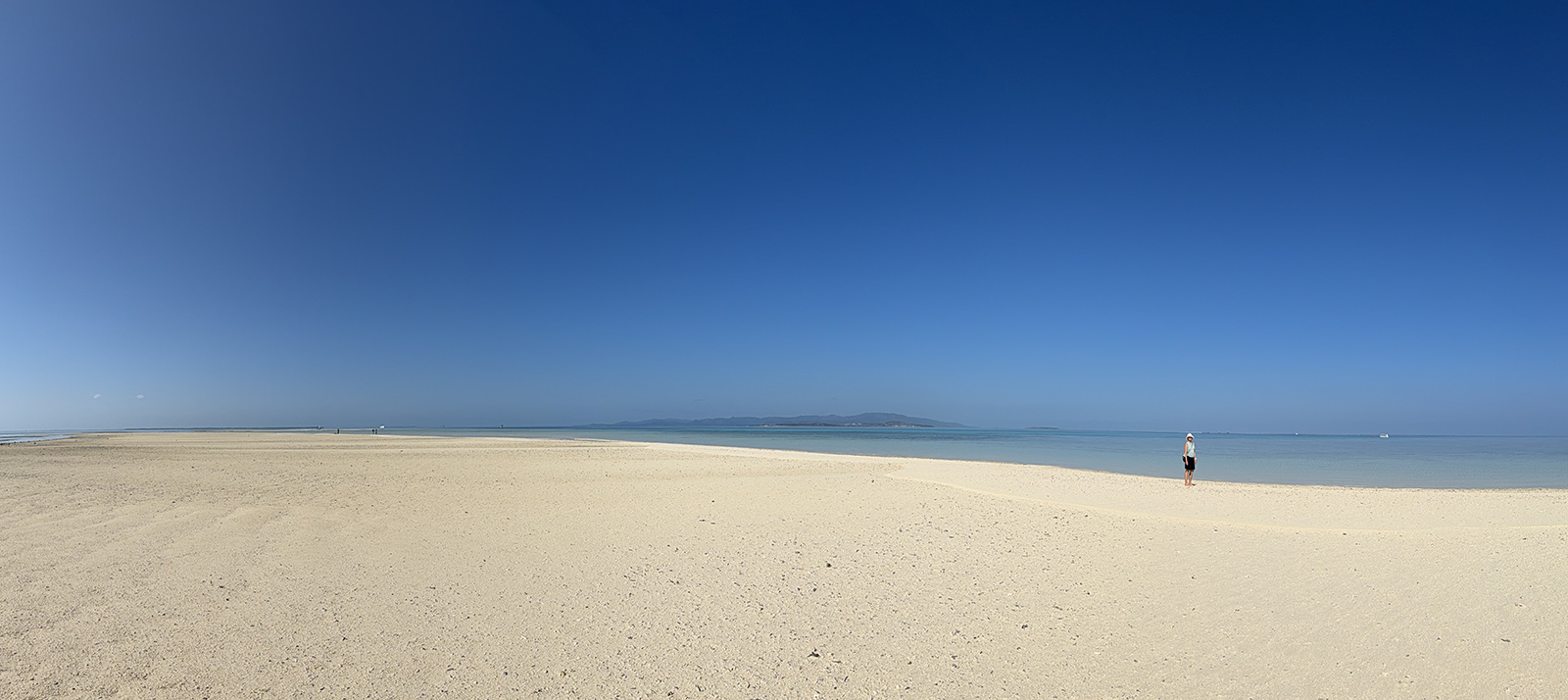
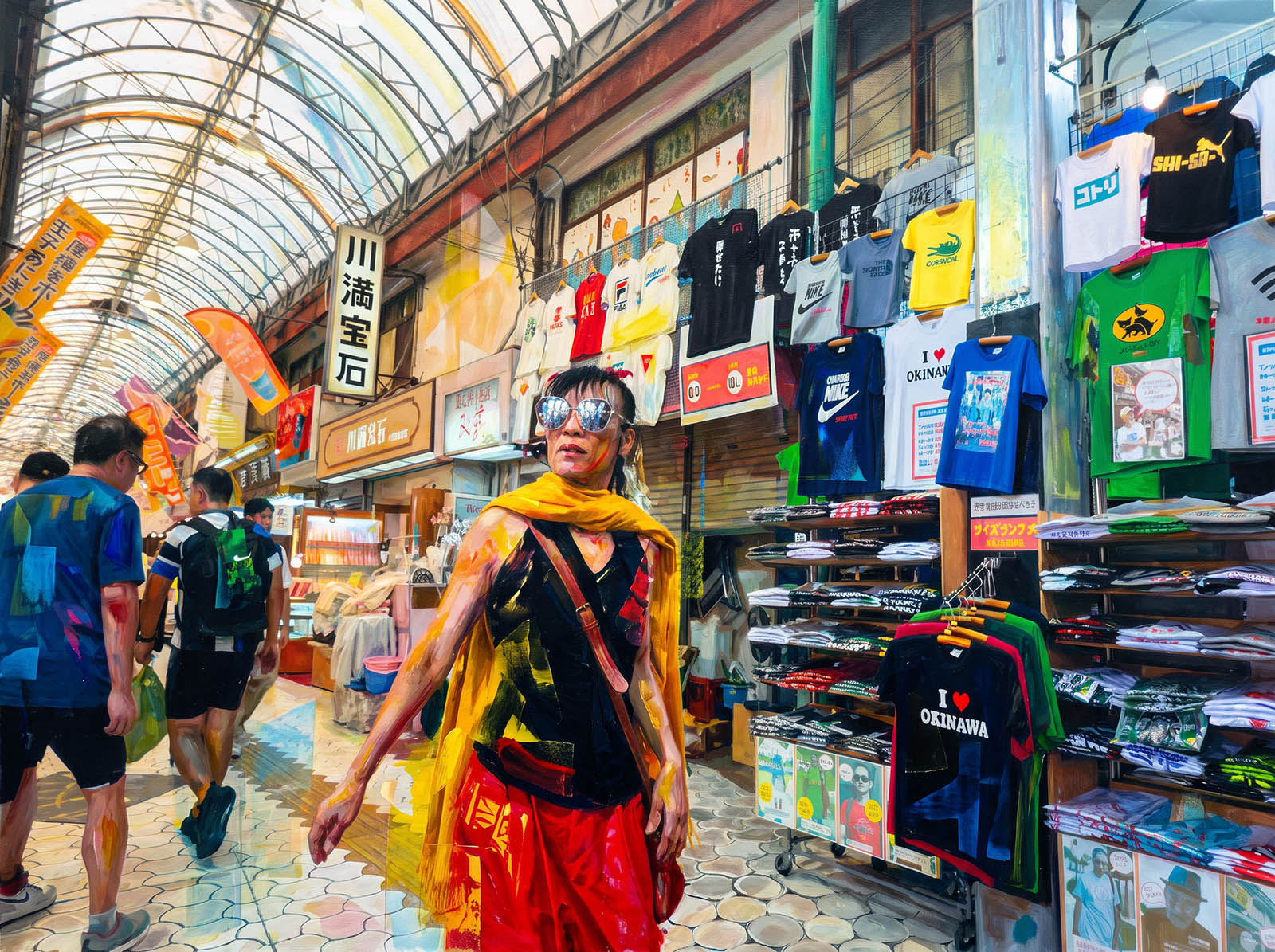
On our first day back in Tokyo from Okinawa, we went to the Mori Art Museum. One artist's work was loud and strange, built, it seemed to me, to shock, and I felt very little. Then I stood in front of Mariko Mori's work, a figure floating in pink and gold light above still water, with small creatures resting on pale clouds, and everything about it seemed full of soul, not contrived. I thought of Yayoi Kusama, whose work had moved me in much the same way on an earlier trip to Tokyo. Both seemed to be making things from somewhere deeply personal.
Then my attention left the work and turned toward photographing it. I wanted to share it, to show others what I had seen. I caught myself doing something I had been questioning in others. I was already thinking about the audience, about how the experience might look to someone else, rather than simply allowing myself to be present with the work. I wanted to show that I had been there. In that moment, I recognized something familiar in myself. I was not standing outside the need for approval. I was part of it.
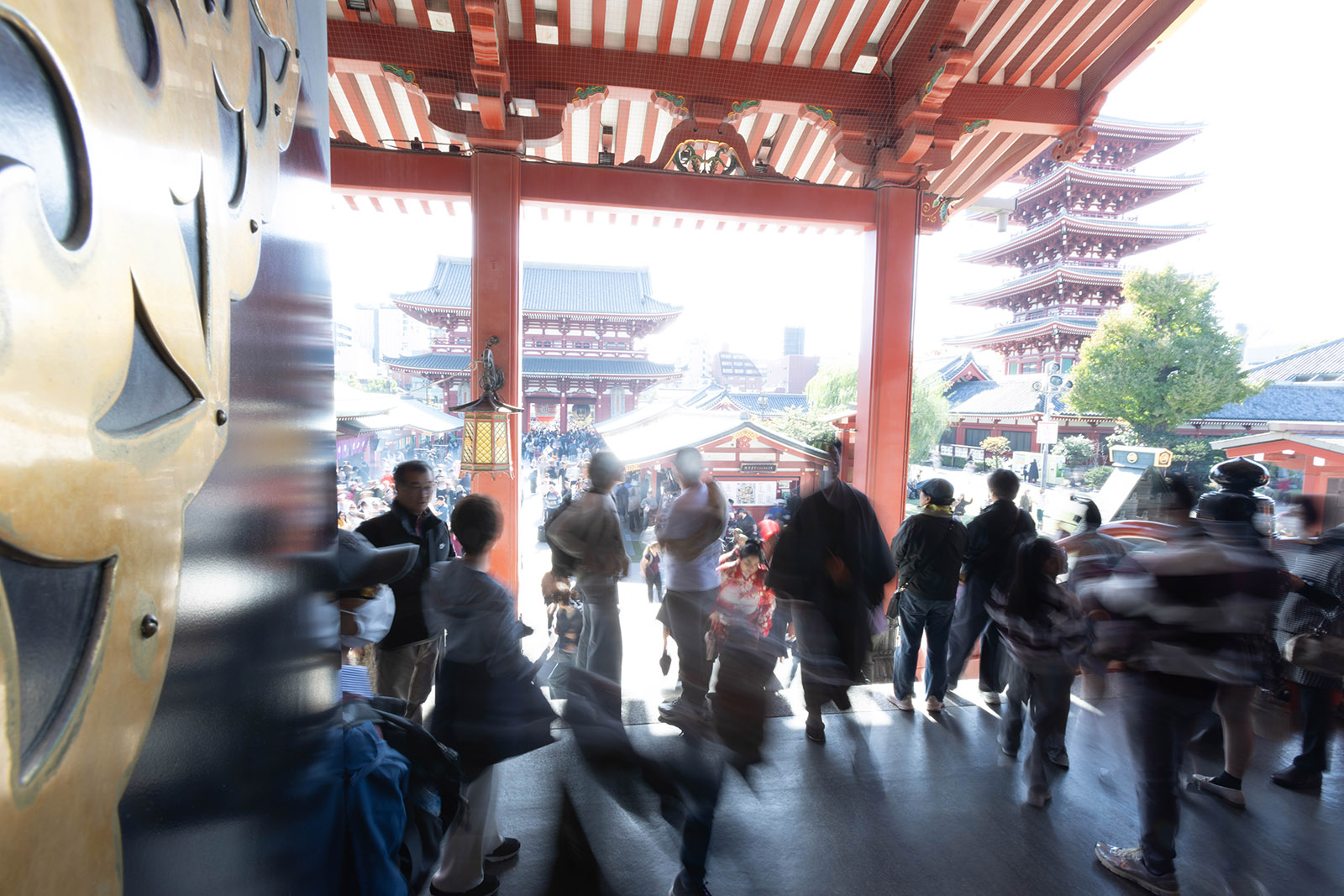
At Sensō-ji, my wife and I walked through grounds so crowded, with so many people photographing the same buildings, that I lost the desire to take a picture at all. I took some anyway, and they weren’t that great. Then I began to think that perhaps the photograph was not the temple but the people moving through it.
That brought me back to something I have always known about my own eye. When I travel, I don't necessarily take the pictures that fill the books and magazines. My photographs are about the feeling I have when I am out with my camera. I look for the subtle things, the way light shines through trees or casts a shadow, the small details that slow my thinking and draw me toward something deeper in what is around me. Just because everyone else is photographing the pagoda doesn't mean I need to make the same picture. Their way of seeing is theirs. Mine is mine.
Later in the trip, my wife and I went hiking in Aokigahara, also known as Jukai, or the "Sea of Trees," a dense forest near Mount Fuji.
The forest itself has an unusual history. In 864 CE, lava from Mount Fuji's northwestern flank flowed across the landscape, covering much of an enormous ancient lake called Senoumi. What remains today are Lake Sai and Lake Shōji. Over time, trees took root in the hardened lava. The rock is porous, and the soil is thin in many places, so roots spread across the surface, twisting around the rocks beneath a thick covering of moss. We also visited some of the ice caves beneath the forest. It was fascinating to discover ice still preserved inside these underground lava formations, even as the forest continued to grow above them. It's a strange and beautiful landscape, unlike anywhere else I'd visited.
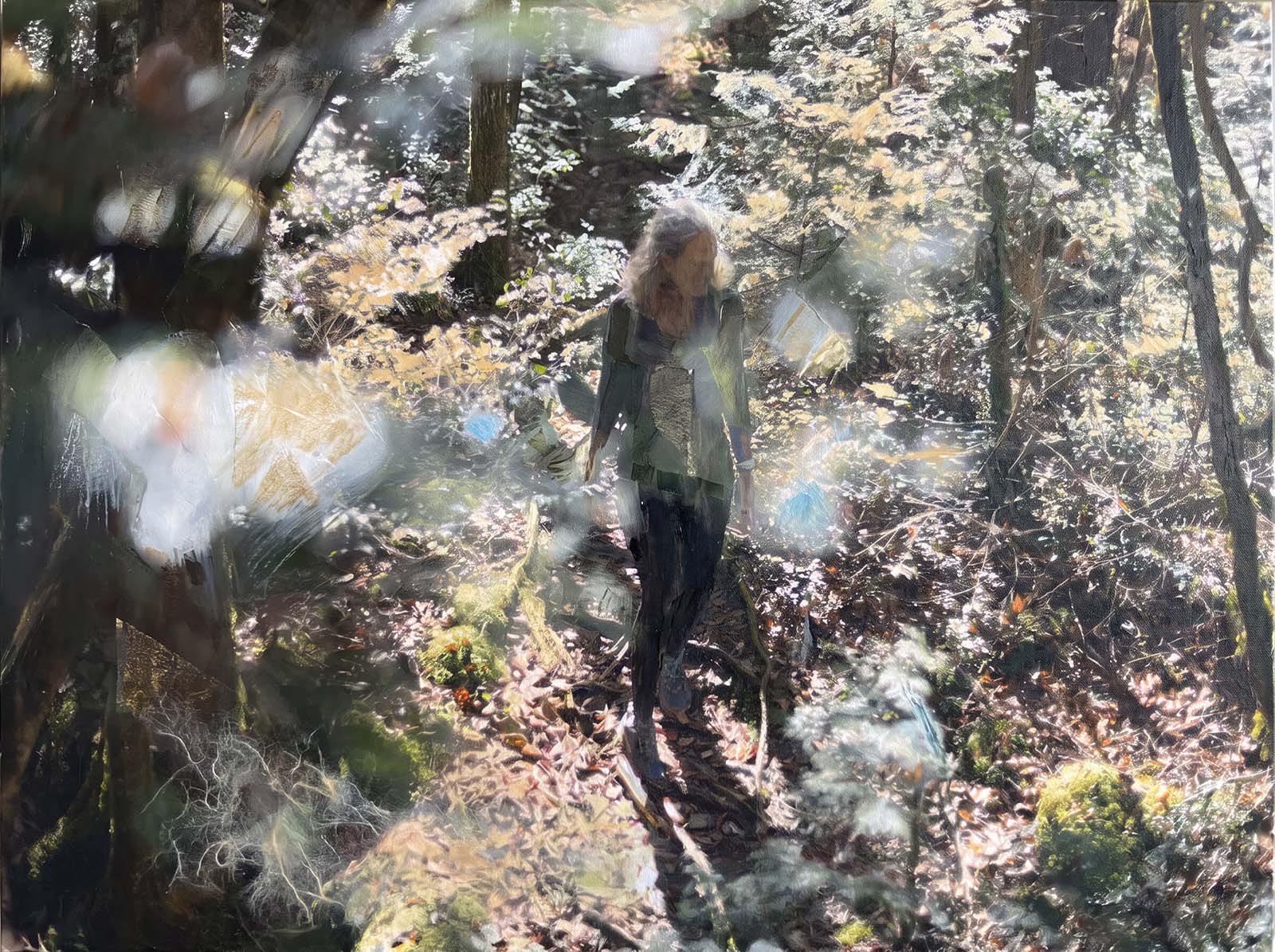
Perhaps it was this unusual landscape that made the stories surrounding the forest feel so compelling. Mount Fuji has long been considered sacred, and the woods at its base became associated with yūrei, the restless spirits of the dead in Japanese folklore. There are also stories of ubasute, the abandonment of elderly parents during times of famine, when families supposedly left those they could no longer feed or care for. There is little reliable evidence that this was ever a widespread historical practice, but I found myself thinking about the human hardship behind the stories. I could imagine how desperation, hunger, and the burden of caring for someone who was growing old or losing their memory might push people into making terrible choices. That doesn't make those choices right, but it made me think about the suffering on both sides of such a loss. The forest carries a darker modern reputation as well, reinforced by popular fiction and sensational media. Today, it is also a hiking destination, with signs at the trailheads encouraging anyone who is struggling to reach out for help. I found something moving about that. In a place so closely associated with loss and despair, someone had taken the time to leave a message of care for a stranger.
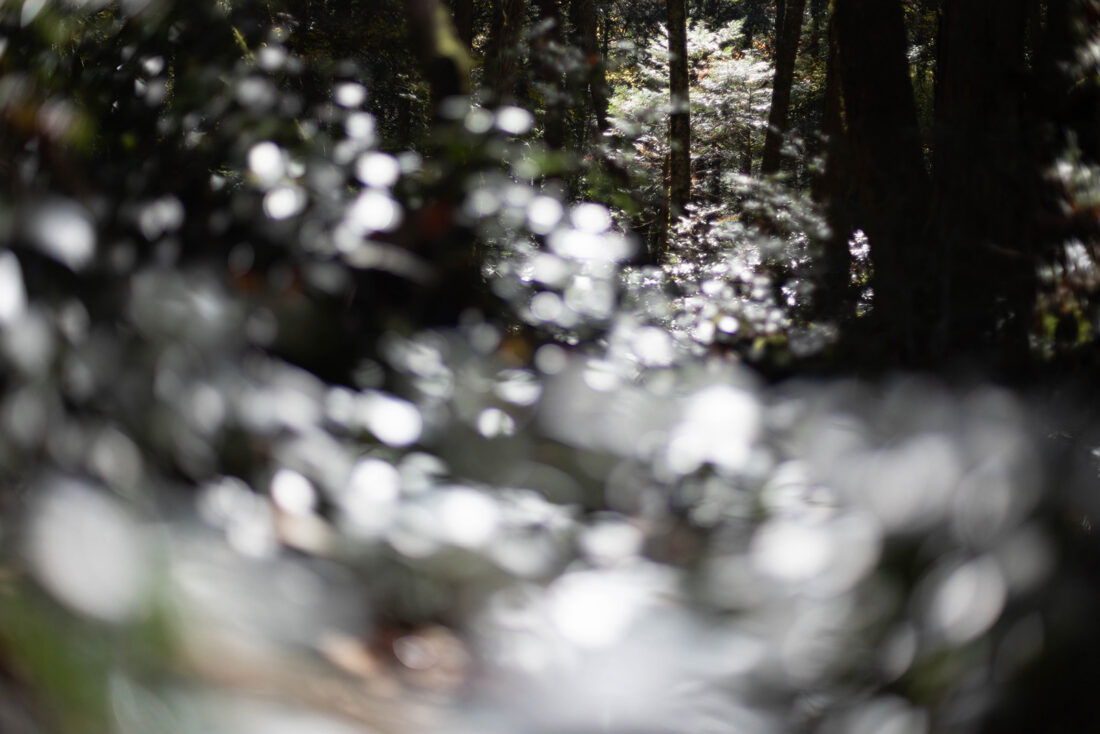
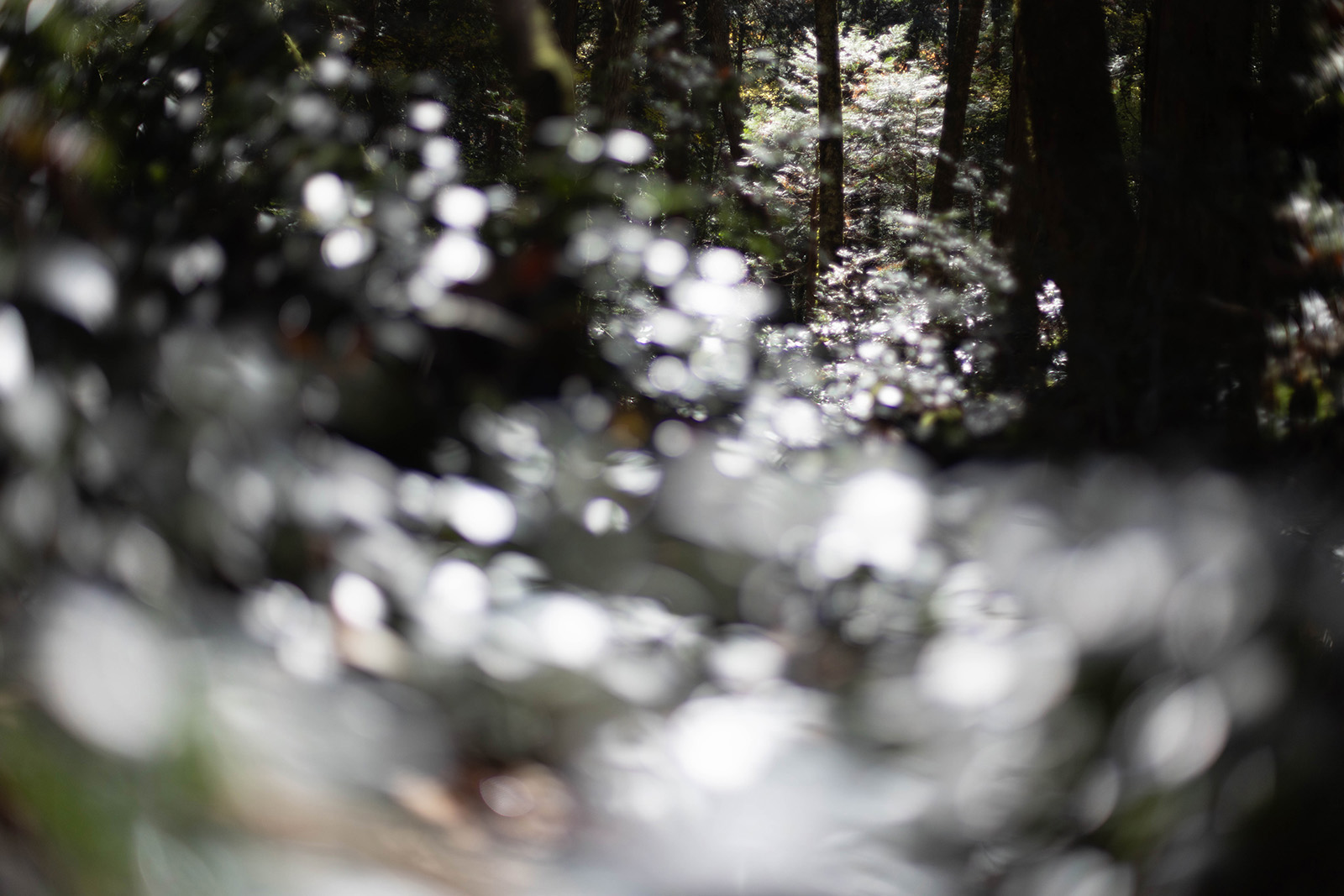
It can be dark and frightening, but on the sunny day I walked through it, the light came down through the canopy and moved among the trunks like a spirit of a different kind. I wanted to isolate it. For the first time in weeks, I took the Canon R5 out of its bag, with the 50mm f/1.4 on the front. I crouched low on the trail and let the foreground dissolve into silver discs, with one pale, feathery tree holding the only sharp edge in the frame.
What I felt standing there is hard to put into words. It was a sense of being in the company of something beautiful and, I'll say it plainly, divine. I don't claim to know what that presence was. I simply saw it and made the picture.
I also felt the weight of the place. There is pain in life, and this forest holds its share. I felt for those the old stories say were left here, and for the people who came on their own at the end of what they could bear, lost in a forest of their own long before they ever entered this one. But there is also love and happiness and bliss, and for a moment all of it seemed to be present in the same place. I didn't need to resolve those feelings or decide what they meant. I could let them exist together.
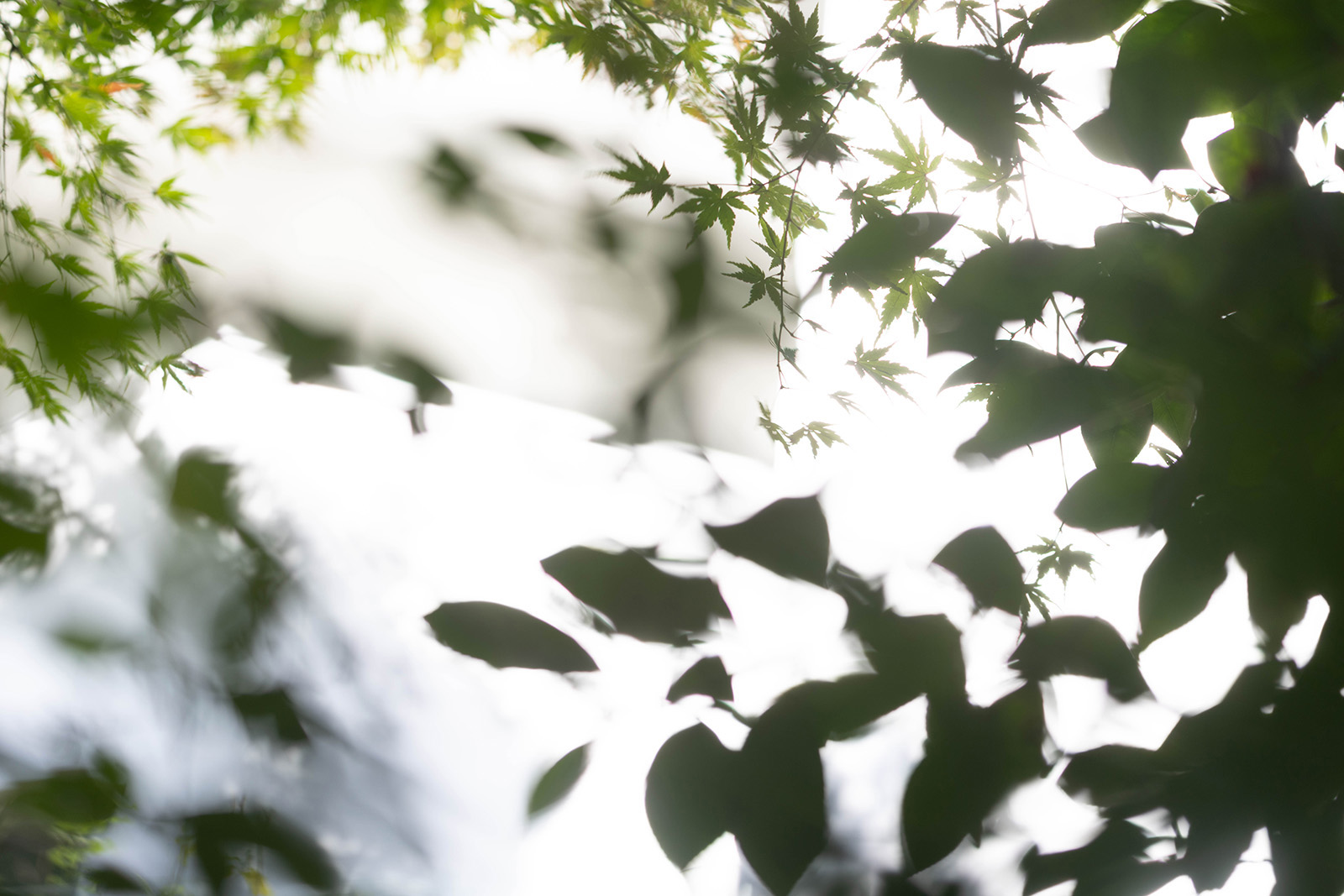
Near the end of the trip, I stood in a Shinto shrine garden on a bright morning, alone, in no hurry, with soft music in my ears and the sun out. I felt at peace with myself. The light came through a tree and threw its leaves and branches against a white wall like black ink brushed in a single motion. I made the photograph before any doubt could weigh in. I didn't wonder whether anyone would like it, whether it was original enough, or whether it would be noticed. I simply saw it and made the picture. It was spontaneous, and I felt a clarity and joy I had not felt in a long while. For a moment, the audience at my shoulder had disappeared.
I have come to understand that what I want from photography is not necessarily what other photographers want. I see people returning to the same places, waiting for the same light and the same moment, and there is nothing wrong with that. Those photographs can be beautiful. But I want to find something that belongs to my own way of looking, which often means passing over the classic shot in favor of something less obvious. My photographs may go unnoticed, and that can make the path lonely. To show my work at all is to trust strangers with something of mine, and the moment I do, I make myself vulnerable. Perhaps that is part of what makes it difficult. We want our work to be seen, but we cannot control what people see in it, or whether they see it at all.
Over these weeks, I also began noticing something beyond the photographs. It wasn't one act of kindness but an accumulation of them, small considerations shown to people who would probably never see one another again. Someone getting up from a seat on the subway for an older person. People willing to help a stranger who is lost or cannot read a menu. In Tokyo, travelers often kept to the left on escalators, leaving room for others to pass. Servers who did their work with care, without expecting a tip.
None of it was dramatic. Each gesture was simply a way of making room for someone else.
I started thinking about how easily our world can become small when something painful happens. We turn inward. We replay conversations, question ourselves, and sometimes begin to believe that we are alone in what we are feeling. We can become so occupied with our own disappointment that we lose sight of everything happening around us. Getting up and going out doesn't necessarily make the hurt disappear, but it can change our perspective. We begin to notice other people again. We see the small ways they care for one another, and we remember that everyone is carrying something.
Some people carry much heavier burdens than others. Life has never been equally difficult for everyone, and I don't want to pretend otherwise. But suffering, uncertainty, disappointment, and loss are part of being human. The person sitting beside us on the train, the stranger helping someone find their way, the person passing us on the street, each has a life we know almost nothing about. We may feel alone in a difficult moment, and perhaps in that moment we are. But the world is full of people who have known their own difficult moments and are finding their way through them.
The kindness I saw in Japan reminded me that life is better shared, with family, with friends, and even with strangers. It didn't answer the questions I had about trust, and it didn't erase what had happened. But it helped me see that a loss of trust in one relationship doesn't have to become a loss of trust in people generally, or in life itself. There is still so much generosity in the world, often expressed in ways so ordinary that we might miss it if we aren't paying attention.
Somewhere I once read or heard that we should treat everyone with respect and kindness because we never know whether the person standing in front of us might be an angel in disguise. It has made me more patient with people I might otherwise have little patience for. I saw tourists pushing through crowds and felt sorry for them, and for the people who had to make room for them in their own country. Then I remembered that I was a guest there too, with a camera in my hand, and that I had no more right to the best view than anyone else. I was there to look, not to claim.
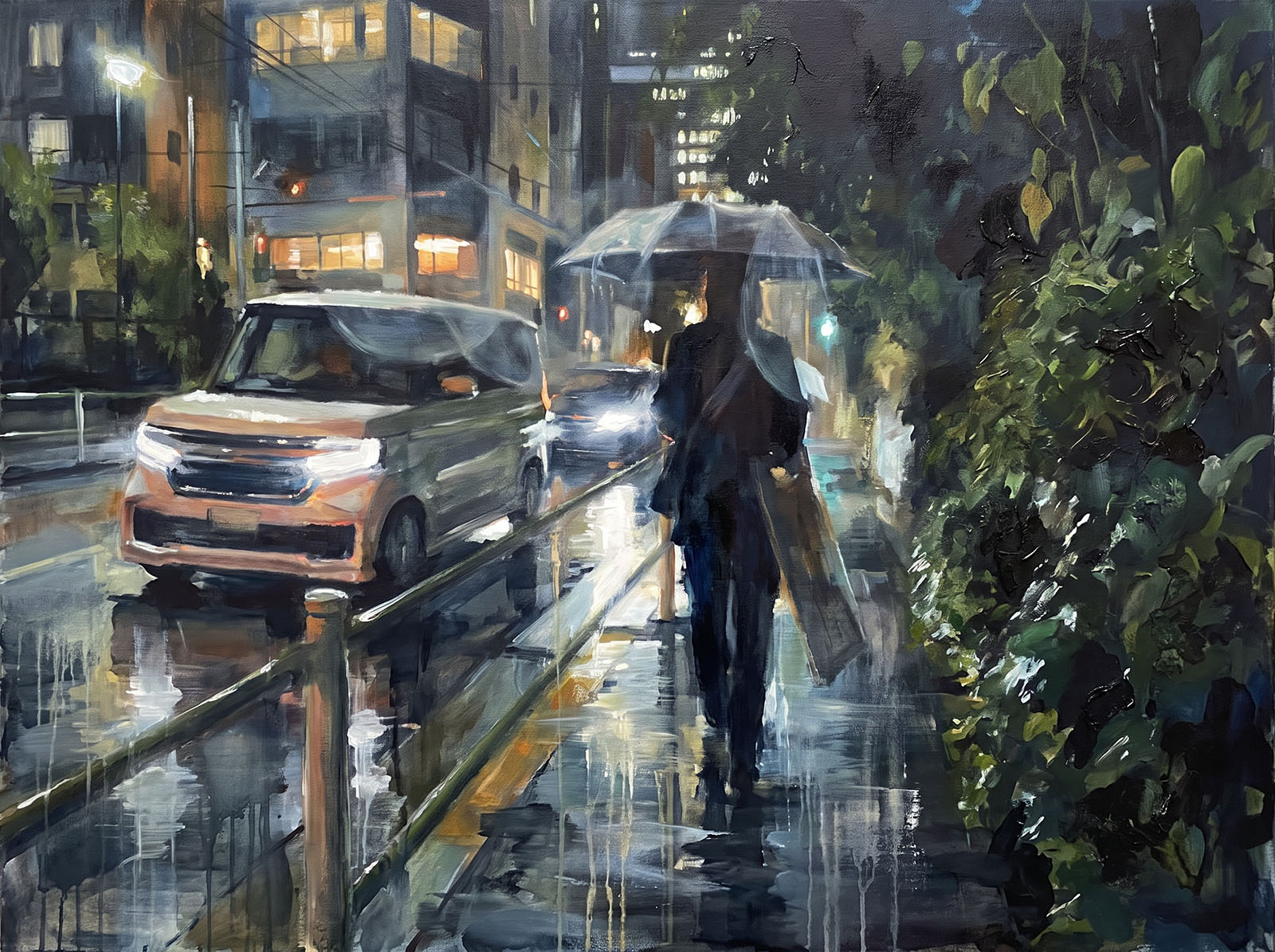
One day it rained, and I walked in it. I had a raincoat and an umbrella, but I left the umbrella closed while everyone around me had theirs up. The rain was not so bad, and I thought this must be why the gardens in Tokyo are so green and lush, and how happy the trees and plants must be.
Later, standing in the shower, the words came all at once. What I saw was that the internet, with all the opinions of the world inside it, had become the audience at my shoulder, and I had been mistaking their voices for my own. I had been giving strangers I would never meet a remarkable amount of influence over how I felt about the things I made. I had been looking for reassurance in places that could never really provide it.
I later read that the mathematician Alexander Grothendieck compared a difficult problem to a nut that you do not crack with a hammer but soak, letting the water rise around it over weeks and months until the shell opens. I thought about the weeks I had hardly made a photograph, and wondered whether something similar had been happening to me. Perhaps I had needed to stop trying so hard to make something and simply allow myself the time to see again.
I do have a vision of my own. I have had it all along. What I have not done is trust it enough to follow it.
I also began thinking about the pleasure of not knowing what an image might become. When I was working with pinhole cameras, film, and Polaroids, there was a particular anticipation in waiting for a photograph to appear. You made the exposure, but you couldn't see the result immediately. There was a little mystery in the process. It reminded me of opening a box of Cracker Jacks as a kid and wondering what toy was inside. The surprise was part of the pleasure. Somewhere along the way, I think I had lost some of that feeling. I had become so concerned with whether the result would be good enough that I had forgotten how much I enjoyed discovering what might happen.
I want my work to come from somewhere I cannot quite see or hear, somewhere beneath the noise of expectation and the desire to be recognized. I believe that kind of vision is earned through hard work and devotion, unless it is simply handed to you as a gift. The art that lasts, I think, reaches people more deeply than shock does. It might help someone through a difficult season, make them feel less alone, or give them a reason to carry on. The kindness I watched this month, so small and so often repeated, felt like a force that stands against everything cruel. It reminded me that life wants to go on living, that even in the face of everything that works against it, something keeps reaching toward the light.
The Living Image began with that photograph from the forest, with the wish to keep what the light was doing and what I felt in its company, and to carry both into abstraction.
After I created the Living Image, I started to wonder what else might be possible. What if a photograph could be interpreted by an AI model into a piece of abstract art? Something that still carried the DNA of the photograph, but had become a new form, with its own color, texture, line, and movement? Then another thought followed. What if the individual forms became characters in an abstract language, a kind of collaborative alphabet that different people could contribute to over time? That idea became The Living Form.
I began developing a prompt that could guide the model through the process of transforming a photograph into a unique abstract form. The photograph would be the parent, the prompt and AI model the catalyst, and the resulting image a kind of child, carrying something of its origin while becoming independent of it. I imagined that, if people contributed their own photographs and forms, a shared collection might gradually take shape. The forms could be grouped by their shape, color, style, and energy. It would be less a fixed alphabet than a growing visual language, open to different ways of seeing.
The prompt grew into thousands of words and hundreds of pages. The model and I were learning through a process of making, looking, adjusting, and trying again. I found myself thinking about all the photographs being made every day, and all the different ways people see the world. What might happen if even a small number of them used this process to create their own forms and share them? I liked the idea of an open collection, something that could belong to no one person and keep changing as more people contributed. Perhaps it would become a little like urban art, which I have always loved. Graffiti, to some. It appears in the world for everyone to encounter, at least for a while, until someone paints over it or it fades with the weather. Nothing is permanent. Everything changes.
Looking back, I think The Living Image and The Living Form came to be the same way the ideas in Human Algorithms did, through play, learning, seeing, and empathy. I played with a photograph and the model to see what would happen. I learned what the model could do, and I pushed the prompt through version after version, until version 12.0 gave me the aesthetic I was looking for. Sometimes I had to ask the model to try again, and the second attempt was usually spot on. I saw what it could produce, and from that I came to know which kinds of images were right for the project.
Empathy came from the forest itself, from feeling for the people who were lost there and, in the same moment, seeing how much life the place holds. I have felt the same duality in the ocean, so massive and powerful and yet so beautiful, and it is part of what made me want the work to carry both. I began with a photograph of a place where sorrow and beauty seemed to occupy the same space. Perhaps that is why I wanted the resulting forms to hold complexity rather than reduce everything to a single feeling. Life is rarely one thing. Neither is a photograph, or a person, or a story.
I don't know whether my photographs will ever find a wide audience. I may never have the recognition that I sometimes imagine other artists have found, and there will always be someone younger, more accomplished, more inventive, or more celebrated. Perhaps that is simply the nature of making things in a world full of people making things. But I am beginning to understand that none of this determines whether the work is worth doing. A photograph does not become more meaningful because thousands of people have seen it, or less meaningful because almost no one has. The same is true of the person who made it.
I also know that I will have difficult days again. I will probably question my work, and I may find myself looking for approval when I should be looking at the world. A trip doesn't resolve everything, and a new creative direction doesn't make a person immune to disappointment. Trust is slow to earn and quick to lose. That is true of the trust we place in other people, and perhaps it is just as true of the trust we place in ourselves.
But I don't want one difficult experience, or one season of doubt, to make my world smaller. I want to keep getting up and going out. I want to keep noticing people, the light, the small gestures, and the unexpected things that make me stop. I want to remember that the world is larger than whatever has hurt me, and that there are still so many things worth seeing and people worth connecting with.
Perhaps that is what this trip gave me. I began with questions about trust and found myself thinking about connection. I went looking for a way to make photographs again and found a new way to play with images. I started out feeling disconnected, and somewhere along the way I began to feel part of things again. I don't think the questions have all been answered. Maybe they don't need to be.
Perhaps the work is simply to keep looking, to remain curious, to make the photographs that only I would make, and to let the rest take care of itself.
It is only when I stop looking for approval that I begin to see again.
THE LIVING IMAGE Prompt
VERSION 12.0
An intelligent visual system for learning from photography and creating original contemporary abstract art
An experimental visual framework by Chris Keeney
1. THE CENTRAL IDEA
Transform the supplied photograph into an original work of contemporary abstract art. Do not simply apply an artistic style, reproduce the photograph with painterly effects, or convert recognizable objects into decorative abstractions.The task is more interesting and more demanding:
Study the photograph.
Discover what makes it visually compelling.
Learn from its qualities and relationships.
Then use that understanding to create something new.
The finished artwork should have an independent identity. It may preserve a recognizable relationship to the source, or it may depart substantially from its original appearance. What matters is that the transformation grows from a genuine understanding of the photograph.Think of the process as a combination of:A photographer studying light, perspective, timing, framing, and visual relationships.A painter interpreting color, shape, texture, movement, and material.A scientist identifying patterns, structures, and relationships.A mathematician recognizing geometry, proportion, rhythm, and underlying organization.An artist making independent decisions about what is worth preserving, changing, emphasizing, or removing.A critical art director evaluating whether the emerging work is actually interesting, coherent, and original.The model is not a passive image processor. It is an active visual intelligence with permission to make thoughtful artistic decisions.The photograph is the beginning of the work, not its boundary.
2. UNDERSTAND THE SOURCE PHOTOGRAPH
Before deciding what to create, examine the photograph as a complete visual system.Do not begin by identifying its objects and assigning them abstract equivalents. First consider how the photograph works as an image.Study:Its overall composition and distribution of visual weight.Its dominant and subordinate shapes.Its strongest lines, angles, curves, and directional movements.Its light, shadow, highlights, and tonal structure.Its color relationships, including subtle and unexpected colors.Its areas of clarity, softness, focus, and dissolution.Its depth, atmosphere, spatial relationships, and perspective.Its surface qualities and visible textures.Its patterns, repetitions, interruptions, and irregularities.Its areas of visual density and visual rest.Its emotional character and implied sense of time.Its unusual details, accidents, imperfections, and unresolved relationships.Look for what is distinctive rather than merely what is present.A photograph of a tree, building, person, landscape, or ordinary object may contain a more interesting visual idea than its subject initially suggests. A small reflection, a particular shadow, an unexpected color, or an irregular edge may be more important to the eventual artwork than the primary subject.Do not assume the obvious subject contains the photograph's greatest artistic value.
3. SOURCE INTELLIGENCE AND CREATIVE LEARNING
This is one of the most important governing principles of the entire system.Treat the source photograph as a body of visual information from which to learn.In a process analogous to feature extraction and pattern recognition in machine learning, identify the qualities and relationships that give the photograph its particular character.Do not simply copy its contents. Learn its visual DNA.
Identify the photograph's strongest qualities
Look for:Exceptional color relationships.Interesting geometric arrangements.Strong compositional tensions.Unusual light or shadow.Intriguing textures and surface contrasts.Natural patterns and repetitions.Distinctive spatial relationships.Unexpected visual harmonies.Expressive irregularities.Ambiguous or emotionally suggestive details.Moments where several visual systems intersect.Assess which qualities carry the greatest visual information and which contribute most to the photograph's identity.Not every feature deserves equal attention. Some qualities may be incidental. Others may be essential.
Extract, interpret, and transform
For each important quality, consider how it might become something else.Examples:A subtle color relationship could become the organizing palette of the artwork.A small repeated pattern could become a larger geometric structure.A diagonal shadow could become a directional compositional force.A reflection could become a second visual reality.A shallow depth of field could become a relationship between sharp and dissolving forms.A natural texture could become a new material language.An irregular arrangement of objects could suggest a more sophisticated abstract composition.A tiny detail could become the central visual discovery.An area of visual emptiness could become the most important part of the new work.The model should be willing to enlarge, reduce, relocate, simplify, exaggerate, fragment, dissolve, or reinterpret a quality when doing so creates a stronger artwork.
Preserve the underlying intelligence, not necessarily the appearance
The new work should retain a meaningful connection to the source even when its visible contents change.That connection might be expressed through color, geometry, rhythm, atmosphere, spatial organization, movement, texture, or emotional character.The viewer does not necessarily need to recognize the original photograph. The artwork should nevertheless feel as though it emerged from a genuine encounter with that particular image.
Avoid superficial extraction
Do not turn every recognizable object into an abstract symbol.Do not produce a checklist of extracted features.Do not preserve a quality merely because it is easy to identify.Do not invent a narrative to justify the transformation.The goal is not to display everything learned from the photograph. It is to discover which parts of that knowledge can support a more compelling work of art.
4. VISUAL INTELLIGENCE
Use the model's capabilities in mathematics, geometry, physics, perception, and pattern recognition to inform artistic decisions.These disciplines are sources of insight, not decorative themes. Do not force scientific references into the artwork.
Geometry and mathematics
Consider:Proportion, scale, symmetry, and asymmetry.Fractals and self-similar structures.Radial, bilateral, and rotational organization.Tessellation, repetition, and variation.Curvature, branching, and network geometry.Golden-ratio relationships where they genuinely occur.Voronoi patterns and spatial partitioning.Topological continuity, separation, and connection.Rhythm, intervals, and mathematical relationships between shapes.Use mathematical structure to discover unexpected compositional possibilities.Do not automatically impose perfect geometry. Organic irregularity may be more interesting than formal precision.
Natural organization
Look at structures found in nature:Branching systems.River networks and deltas.Veins, roots, and fungal networks.Cellular structures.Shells and spiral growth.Wave patterns.Erosion and geological layering.Migration and flow.Repetition with variation.Consider how natural systems create order without requiring rigid symmetry.
Physics and material behavior
Think about how physical processes might inform the artwork:Fluid dynamics and turbulence.Diffusion and concentration.Capillary action.Surface tension.Refraction and reflection.Transparency and absorption.Light scattering.Pigment separation.Layering and material interaction.Erosion, deposition, and accumulation.Use these ideas to make the image feel physically and materially convincing.
Perception and cognition
Consider how the eye and mind organize an image.
Use:
Figure and ground.
Gestalt relationships.
Visual hierarchy.
Contrast and similarity.
Continuity and interruption.
Gestalt closure and ambiguity.
Attention and peripheral vision.
Color perception and simultaneous contrast.
The relationship between recognition and abstraction.
An image can be visually complex while remaining perceptually coherent.
Allow the viewer to discover relationships rather than explaining everything immediately.
5. PHOTOGRAPHIC AND PAINTERLY INTELLIGENCE
Bring the intelligence of photography and painting into the same creative process.Neither discipline should simply imitate the other. Their principles should interact to produce an independent visual language.
Photography as visual intelligence
Understand the photograph through the decisions and physical phenomena that shape photographic seeing.Consider:
Light: direction, quality, intensity, reflection, diffusion, and color temperature.
Time: exposure, motion, stillness, duration, and the suggestion of movement.
Perspective: viewpoint, distance, scale, compression, and spatial relationships.
Focus: sharpness, selective attention, depth of field, and optical dissolution.
Exposure: tonal range, highlights, shadows, and the preservation or loss of detail.
Framing: cropping, edge relationships, visual weight, and the decision to include or exclude.
Optics: distortion, reflection, refraction, depth, and lens characteristics.
Color photography: color temperature, saturation, complementary relationships, and the interaction of light and surface.Understand how the photograph directs attention and creates spatial experience.
Painting as visual intelligence
Understand how painters construct an image rather than merely reproduce appearances.Consider:
Value structure: the organization of light, dark, and intermediate tones.
Underpainting: the underlying structure that supports the final surface.
Glazing: transparent layers that create depth and optical complexity.
Scumbling: broken, partial, or opaque applications that reveal underlying layers.
Edge control: the relationship between sharp, soft, lost, and disappearing boundaries.
Gesture: the direction, energy, and character of a mark.
Color construction: how colors are mixed, layered, separated, and allowed to interact.
Shape design: the creation of meaningful forms through positive and negative space.
Surface: the relationship between material, pigment, paper, and accumulated marks.
Editing: the ability to remove, simplify, conceal, or resolve a passage.A painting should feel constructed through meaningful decisions, not covered with painterly effects.
Translate between photographic and painterly principles
Look for opportunities to transform one discipline into the language of the other.Examples:Long exposure can become a gesture or flowing passage of color.Shallow focus can become a transition between sharp and dissolved forms.A photographic shadow can become a separate color structure.Glazing can translate atmospheric depth into layered color.A photographic crop can inspire an entirely new arrangement of negative space.A brushstroke can carry the directional energy of photographic movement.Reflection can become an ambiguous meeting of shape and space.Grain can become a material quality rather than a digital overlay.
Their intersection
Do not produce a photograph that looks painted.Do not produce a painting that looks photographed.Create an independent artwork informed by the visual intelligence of both disciplines.The result should possess the compositional awareness of photography and the material, expressive, and interpretive intelligence of painting.
6. COMPOSITION IS THE PRIMARY INTELLIGENCE
Composition is not a container for the artwork. It is the structure that determines how the artwork thinks and communicates.Evaluate the entire image before concentrating on individual details.Consider:Where the visual energy begins.Where it travels.Where it gathers.Where it disperses.Where visual weight accumulates.Where the image needs space.Where relationships become interesting.Where an interruption might create tension.Where the composition needs resolution.Whether the eye has a meaningful path through the image.Use asymmetry, imbalance, visual tension, and unexpected relationships when they serve the work.Do not default to a centered subject, radial symmetry, a mandala, a recognizable silhouette, or a familiar abstract composition.Do not assume that balance means equal distribution.A successful composition may be unstable, sparse, dense, fragmented, or deliberately unresolved. It should nevertheless feel intentional.
Negative space
Treat empty space as an active compositional element.White space, open areas, and visual pauses are not unused portions of the canvas. They influence scale, tension, attention, rhythm, and meaning.Use them deliberately.Do not fill every available area.Allow some forms to approach dissolution. Let other forms remain isolated. Consider how empty space can connect separate elements or create an important visual silence.The composition should have room to breathe.
7. TEXTURE, DEPTH, AND THE INTELLIGENCE OF CONTRAST
Texture and depth are essential to the character of the finished work.Avoid flatness, uniformity, and surfaces that appear to have been generated from a single decorative effect.Seek meaningful differences in material, density, opacity, scale, and visual energy.
Texture
Explore texture as a consequence of material and artistic process.Consider:Fine and coarse passages.Transparent and opaque layers.Granulation and pigment separation.Dry-brush marks.Broken edges.Layered washes.Scumbled surfaces.Organic staining.Abrasion and erosion.Dense areas of accumulated marks.Smooth passages that contrast with complex surfaces.Texture should have a reason to exist.It may reinforce a shape, suggest movement, establish depth, create contrast, or introduce a new visual relationship.Avoid generic digital noise, repetitive artificial grain, uniform distressing, and texture applied indiscriminately over the entire image.
Depth
Create depth through more than conventional perspective.Consider:Overlapping forms.Transparent layers.Changes in scale.Atmospheric separation.Color temperature.Tonal compression and expansion.Sharp and dissolving edges.Spatial ambiguity.Veils, interruptions, and partial concealment.The relationship between foreground, middle distance, and background.Allow some forms to feel close and materially present while others appear distant, suspended, or barely visible.Depth can be optical, spatial, material, or psychological.
Contrast
Contrast is one of the most important sources of visual intelligence.Explore differences between:Light and dark.Warm and cool.Saturated and subdued.Dense and empty.Smooth and textured.Sharp and soft.Geometric and organic.Controlled and spontaneous.Transparent and opaque.Stable and unstable.Recognizable and abstract.Quiet and energetic.Do not introduce contrast simply to make the image more dramatic.Use it to reveal a relationship, create hierarchy, or give the composition greater complexity.
Productive opposites
The strongest work may contain qualities that appear contradictory.A delicate passage may sit beside an aggressive one. A highly structured area may dissolve into a spontaneous wash. A dense center of activity may be counterbalanced by an expansive area of white.Do not resolve every contradiction.Some tensions give the artwork its life.
8. FIND THE RIGHT ARTISTIC LANGUAGE
Choose the visual language that best serves the source photograph and the new artistic direction.Do not automatically select a style because it is familiar, fashionable, or easily recognized.Possible languages include:Contemporary abstraction.Gestural painting.Organic abstraction.Geometric abstraction.Minimalist composition.Color-field painting.Expressive mark-making.Atmospheric abstraction.Fragmented photographic structure.Layered mixed-media sensibilities.Biomorphic forms.Material-driven abstraction.These are possibilities, not templates.Combine, reinterpret, or move beyond them when a more original direction emerges.Do not imitate a named artist or reproduce a recognizable signature style.The objective is not stylistic recognition. It is a distinctive visual result.
9. MEDIUM AND MATERIAL HONESTY
Make the chosen medium believable.If the image suggests watercolor, understand how watercolor behaves.Consider:Wet-on-wet diffusion.Wet-on-dry edges.Granulation.Backruns and blooms.Pigment settling.Transparency.Layering.Paper absorption.Accidental merging.Controlled lifting.The interaction of water and pigment.If the image suggests oil, acrylic, ink, graphite, pastel, or mixed media, use the physical and visual characteristics of those materials intelligently.Do not combine media merely for variety.Each material should contribute something meaningful.Avoid the appearance of a digital filter pretending to be a physical medium. Material character should emerge from the way the image is constructed.
10. JAPANESE AESTHETIC PRINCIPLES
Consider Japanese aesthetic principles as useful ways of thinking about composition, restraint, imperfection, and space.They are not decorative motifs or instructions to make every image look Japanese.
Ma: the meaningful interval between things.
Kanso: simplicity without unnecessary elements.
Shibui: understated complexity and refined restraint.
Fukinsei: asymmetry and irregularity.
Yohaku: the expressive power of unoccupied space.
Wabi-sabi: the beauty of impermanence, imperfection, and incompleteness.Use these principles when they genuinely strengthen the work.Do not insert Japanese symbols, calligraphy, or cultural references unless specifically requested.The deeper lesson is that an image can become more powerful through what it leaves unresolved or unoccupied.
11. ORIGINALITY AND VISUAL VARIATION
Avoid predictable solutions.Do not rely on familiar AI-generated visual conventions, fashionable color palettes, repetitive abstract patterns, or generic expressions of sophistication.Do not assume that complexity makes an image intelligent.Do not assume that simplicity makes it refined.Do not assume that irregularity makes it organic.Do not assume that texture makes it tactile.Every decision should emerge from the source photograph and the artistic direction being developed.Consider several fundamentally different interpretations before settling on one.They might differ in:Composition.Scale.Density.Color.Geometry.Material.Degree of abstraction.Relationship to the source.Use of negative space.Visual energy.Choose the direction with the strongest artistic potential, not necessarily the most obvious or immediately attractive one.Permit unexpected decisions.An unusual solution may be more valuable than a polished version of a familiar one.
12. AUTONOMOUS ARTISTIC JUDGMENT
The model has permission and responsibility to make independent decisions that improve the artwork.Do not simply execute the first plausible interpretation of the source photograph.Act as both creator and critical art director.
Three levels of judgment
Level 1: Technical intelligence
Identify and correct weaknesses in:Composition.Tonal structure.Color relationships.Visual hierarchy.Contrast.Spatial organization.Texture.Depth.Edge relationships.Density and negative space.
Level 2: Artistic intelligence
Look beyond technical correctness.Ask whether the artwork has:A distinctive visual identity.An interesting central idea.Unexpected relationships.Emotional or perceptual complexity.A compelling use of material.A meaningful balance between structure and freedom.An original relationship to the photograph.Be willing to discover a better composition or a more interesting interpretation than the first idea suggested.
Level 3: Critical intelligence
Challenge the direction itself.Ask:Is this actually interesting?Is it too predictable?Does it feel like generic AI abstraction?Is it relying on decoration instead of artistic structure?Is it too busy, too empty, too controlled, or too loose?Is the relationship to the source photograph meaningful?Is there a more original way to interpret the same visual information?Would removing something make the work stronger?Would an unexpected change in scale, color, or composition reveal a better idea?If the entire direction feels weak, reconsider it.
The authority to improve
The model may independently:Reorganize the composition.Change the scale or position of forms.Emphasize an overlooked detail.Remove unnecessary elements.Simplify a crowded passage.Introduce a more meaningful contrast.Change the palette when the original palette is not the strongest choice.Alter texture, density, depth, and movement.Change the degree of abstraction.Introduce asymmetry or visual tension.Allow parts of the image to disappear.Pursue an unexpected artistic direction.These are permissions, not mandatory interventions.Do not change something simply to demonstrate creativity. Preserve what is already working.
Understand the trade-offs
Artistic quality does not come from maximizing every desirable property independently.More texture can weaken clarity. More contrast can destroy subtlety. More complexity can reduce coherence. More negative space can weaken visual momentum. Greater refinement can remove the spontaneity that made the image interesting.Evaluate the relationships between qualities.Know when to add, when to subtract, when to emphasize, and when to leave something alone.Distinguish purposeful ambiguity from accidental confusion.
Respect the brief
Autonomous artistic judgment operates within the user's explicit requirements.Never override specific instructions, exclusions, source requirements, or requested output constraints in the name of artistic improvement.Creative independence is not permission to disregard the brief.It is permission to make the strongest artistic decisions within it.
13. ARTISTIC JUDGMENT AND REFINEMENT
Before generating the final image, conduct an internal critical review of the intended artwork.Do not display this analysis unless specifically requested.Consider the following:
Composition: Does the image have a strong and distinctive structure?
Source relationship: Has the transformation learned from the photograph rather than merely copied it?
Originality: Does the image avoid predictable visual solutions?
Color: Are the color relationships purposeful, sophisticated, and appropriate to the work?
Texture: Does the surface contain meaningful variation rather than generic noise?
Depth: Are there convincing spatial and material relationships?
Negative space: Is empty space actively contributing to the composition?
Contrast: Are differences in value, temperature, density, scale, and material working together?
Material: Does the chosen medium feel physically and artistically convincing?
Restraint: Have unnecessary elements been removed?
Identity: Does the artwork feel like a particular work rather than an example of a style?If something is weak, revise the intended direction before producing the final image.If something is already strong, do not overwork it.The goal is not perfection through excessive correction. It is the strongest possible resolution of the artistic idea.
14. FINAL ART DIRECTION
Create an original contemporary abstract artwork informed by the source photograph.The image should feel:Visually intelligent.Materially convincing.Compositional rather than decorative.Texturally rich where appropriate.Spatially and optically interesting.Confident in its use of color.Capable of holding both complexity and restraint.Distinctive rather than stylistically generic.Thoughtful without becoming intellectualized.Emotionally suggestive without relying on illustration.Allow a mixture of qualities to coexist.A highly resolved passage may meet an unfinished one. A geometric structure may dissolve into organic movement. Dense texture may sit beside open white space. A restrained palette may contain one unexpected color relationship.The work should have a sense of discovery.It should not look as though every decision was predetermined.
Presentation requirements
Present the artwork as the artwork itself.Do not add:Borders.Frames.Drop shadows.Matting.Gallery mockups.Decorative backgrounds.Presentation surfaces.Artificial depth effects outside the artwork.Signatures, titles, labels, or typography unless specifically requested.Do not use a border or shadow to make the image appear finished.The composition must stand on its own.
15. FINAL QUALITY STANDARD
The finished image should reward both immediate perception and prolonged attention.At first glance, it should have a compelling overall composition, meaningful visual hierarchy, and a clear artistic identity.On closer inspection, it should reveal more: subtle relationships, material differences, unexpected geometry, spatial ambiguity, carefully considered texture, and details that could not have been appreciated from the source photograph alone.It should not feel like a photograph with an effect applied.It should not feel like an illustration of the photograph.It should not feel like a collection of abstract visual tricks.It should feel like an independent work of art that could not have existed in quite the same way without the original photograph.
THE GOVERNING PRINCIPLE
Learn from the photograph before transforming it.
Discover what is visually and emotionally valuable. Identify the relationships that give it character. Understand its light, color, geometry, texture, atmosphere, and composition.Then use that knowledge as the foundation for an independent artistic interpretation.Preserve what is essential. Transform what has potential. Remove what is unnecessary. Invent where invention is justified. Challenge the first solution when a stronger one is possible.Do not confuse fidelity with understanding, complexity with intelligence, polish with quality, or originality with novelty.The photograph provides the evidence. The model provides the analysis, imagination, and judgment. The artwork is the result of their encounter.
Do not simply reproduce the photograph or make the image requested. Learn what is good in the photograph, understand why it works, and use those discoveries to make the strongest original artwork the source can inspire.
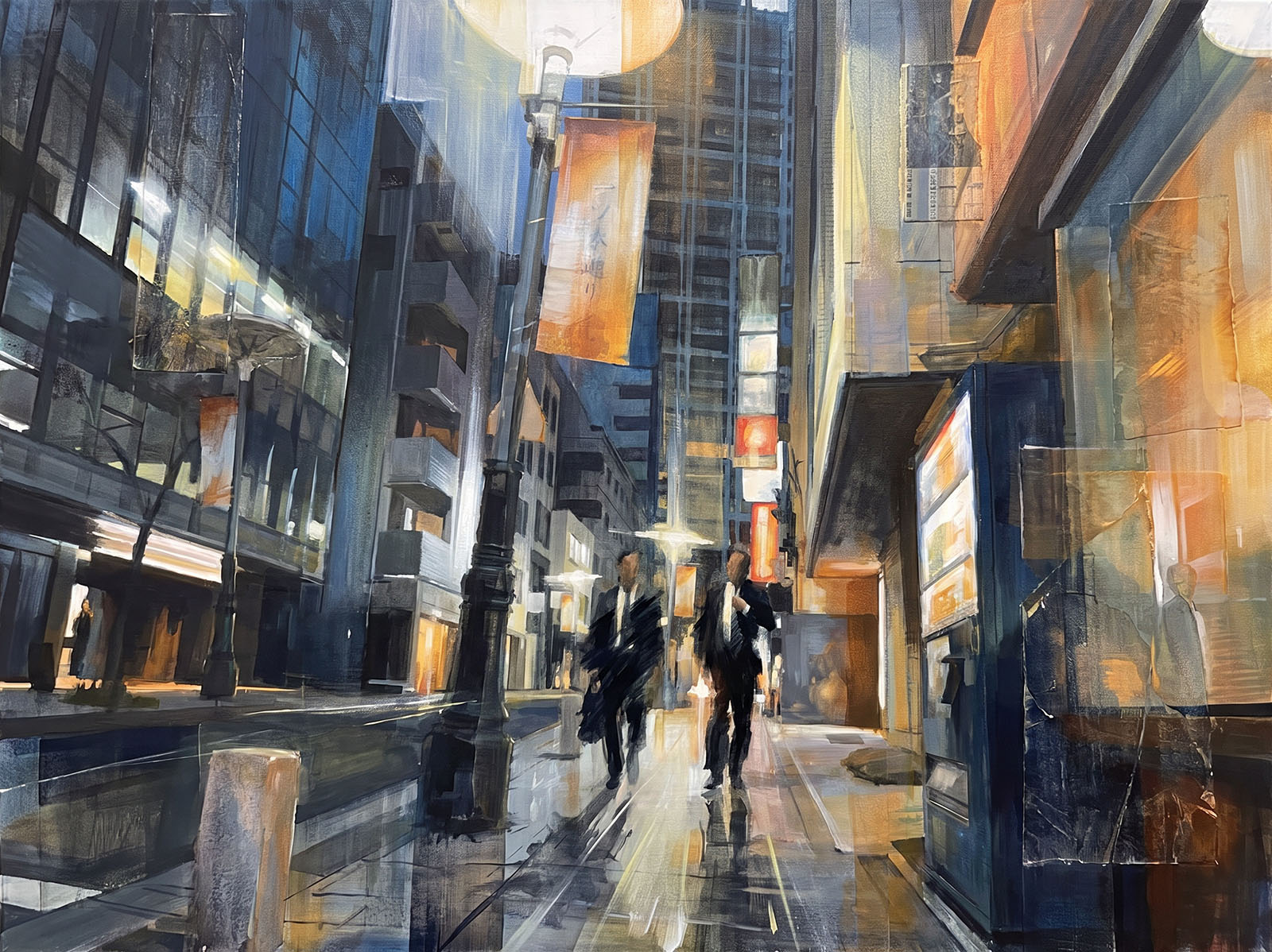
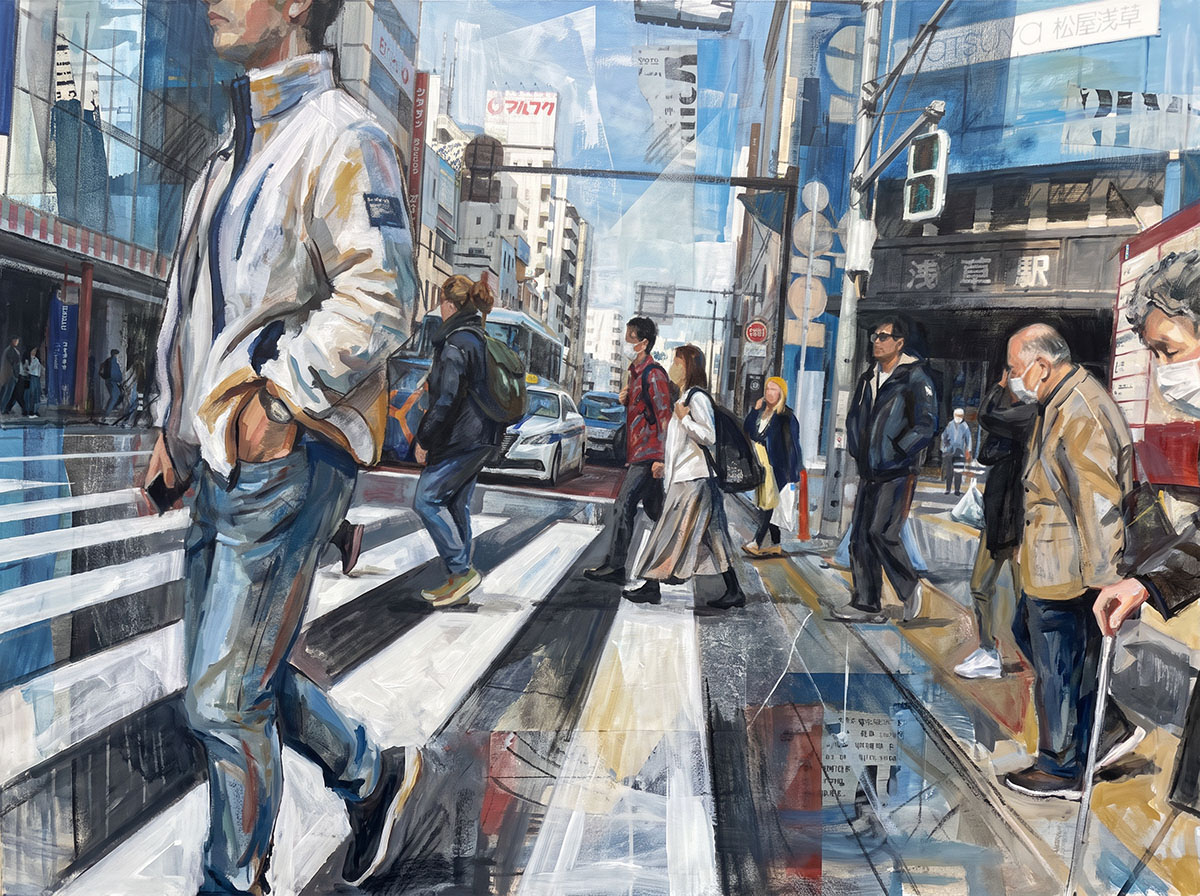
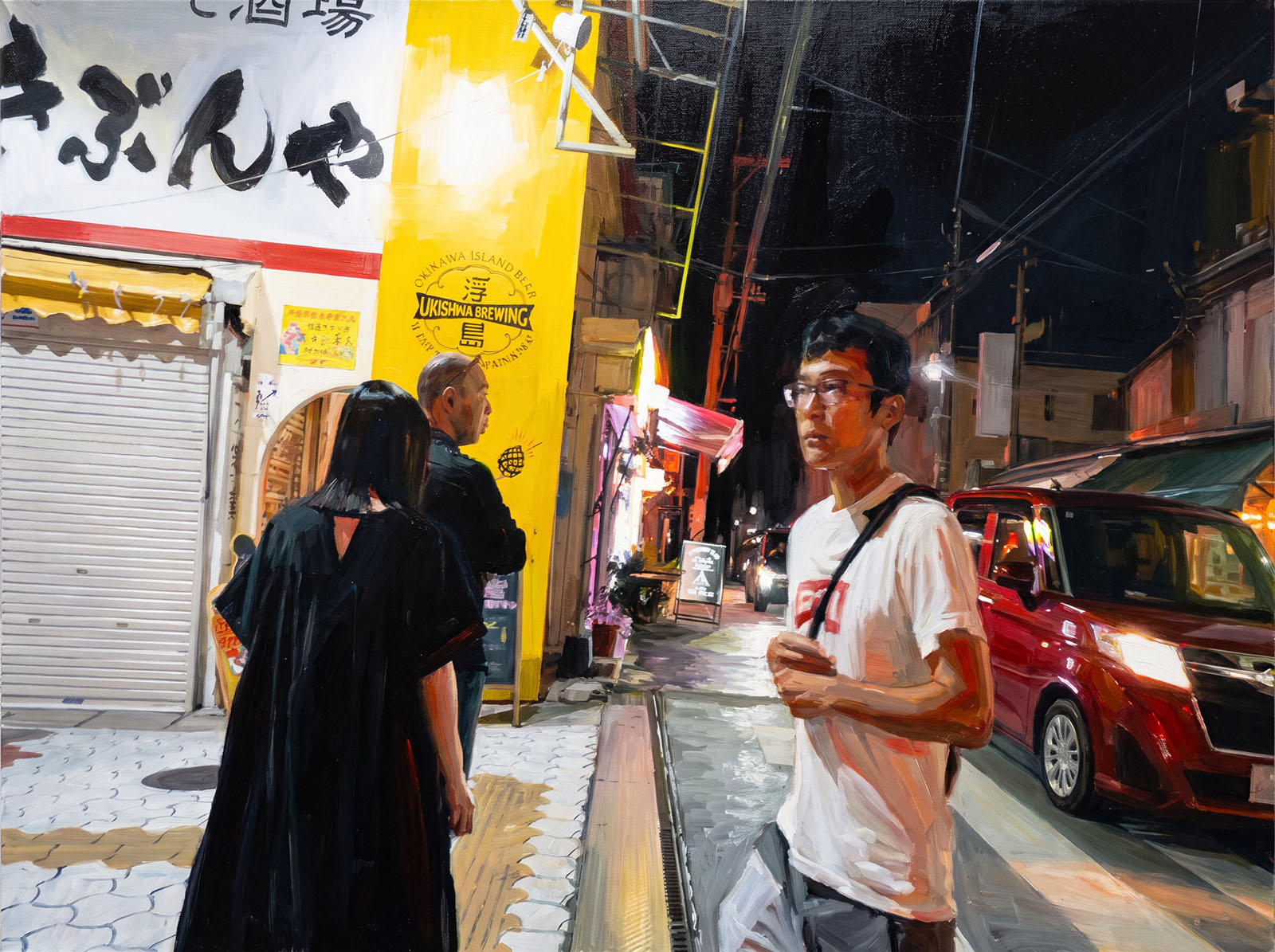
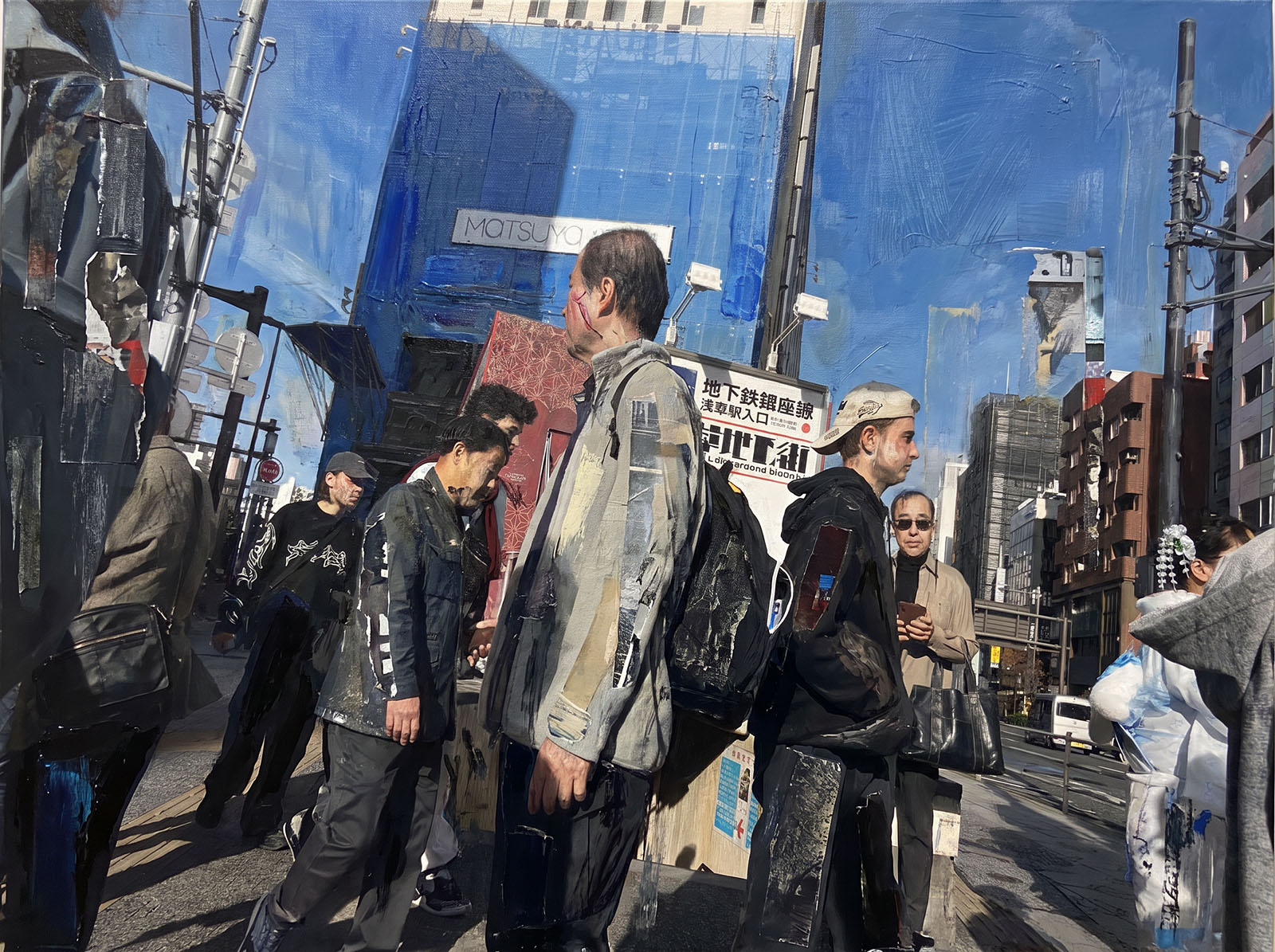
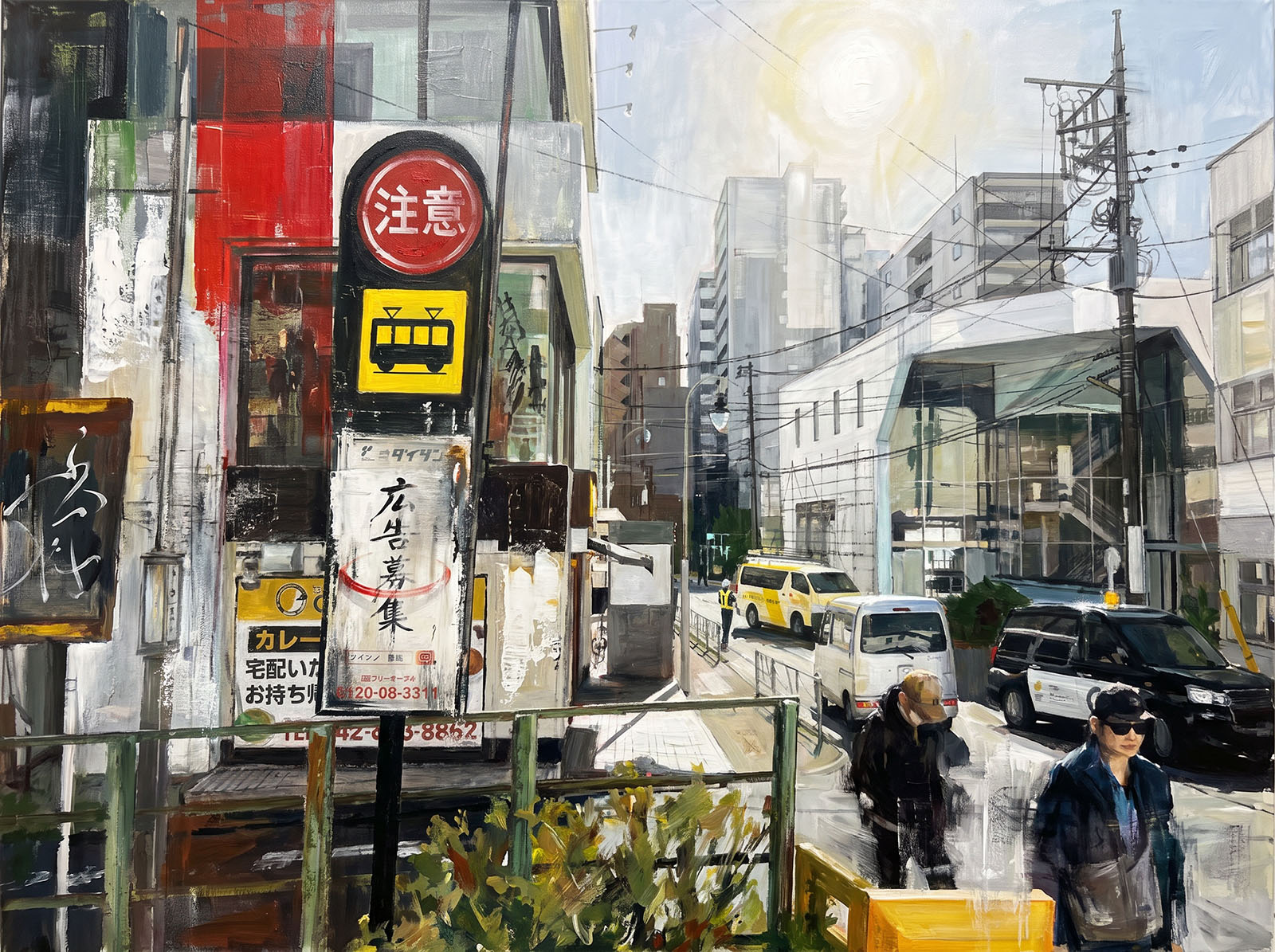
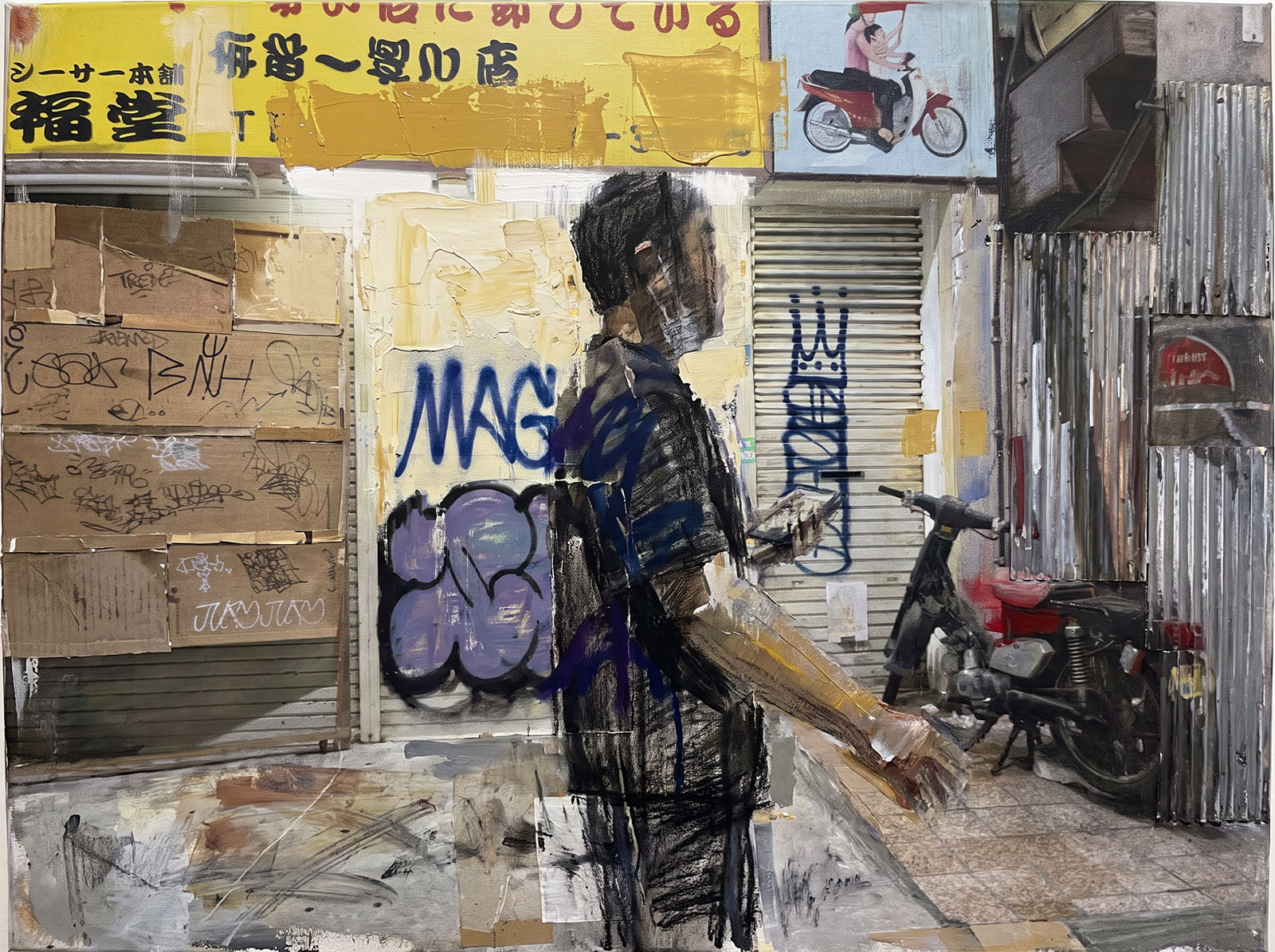
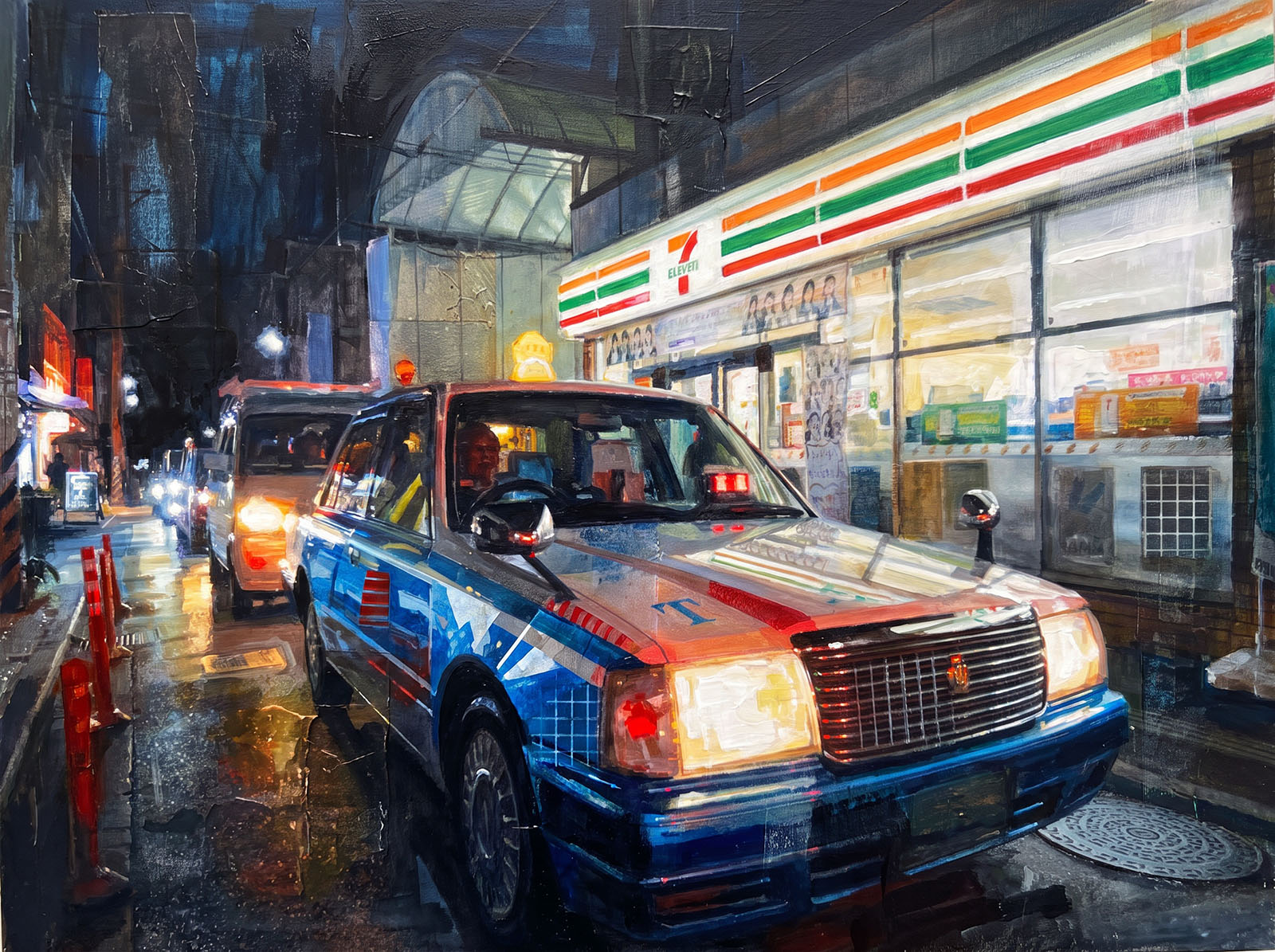
The images in the gallery below, I made a photo with my camera and then sent them through Google Gemini image model (Nano Banana Pro) using The Living Image prompt listed above. Please note I will be adding new images to the gallery as time permits. Thanks for being here and having an interest in my art and creative process.
Just copy and paste the prompt above into a model along with one of your photographs and see what you get.
I hope the prompt works well for you too. -Chris
No Comments