


Human Algorithms: Pathways for Playing, Learning, and Seeing with Empathy
Hello, welcome and thank you for being here now.
This work is shared freely — not to sell, but to invite curiosity, reflection, and creation.
It is meant to be explored and reflected on.
I know the world is full of information, and this is a lot to read.
You do not need to read this all at once.
You do not need to agree with everything here.
You only need to stay curious enough to continue.
All I ask is that you try.
Take your time.
Pause.
Reflect.
My hope is that you walk away with something useful —
something that sparks a thought,
a question,
or a small action.
This guide is for noticing, experimenting,
and making choices with care.
It is for anyone who wishes to approach life
with attention, empathy, and intention.
The focus is not on tools, nor on output as it appears.
It is on how you see,
how you act,
and how you continue to grow.
From Code to Connection
When I began this project, I planned to call it Creative Algorithms.
It felt accurate. Logical. Safe.
But as I wrote — and reflected with AI on my own drafts — something became clear.
The heart of this work wasn’t creativity itself.
It was the human behind it.
This project isn’t about keeping up with technology or mastering new tools.
It’s about learning how to notice, choose, and act with care — especially in a world that increasingly rewards speed over reflection.
I originally set out to examine the difference between art made by people and images generated by machines.
At first, the distinction felt technical.
Process versus output. Input versus result.
But as AI became increasingly capable of producing increasingly convincing visuals, the question shifted.
What still belongs to us?
Not skill alone.
Not speed.
But presence. Choice. Responsibility.
What began as a comparison between tools revealed something deeper — a question of meaning itself.
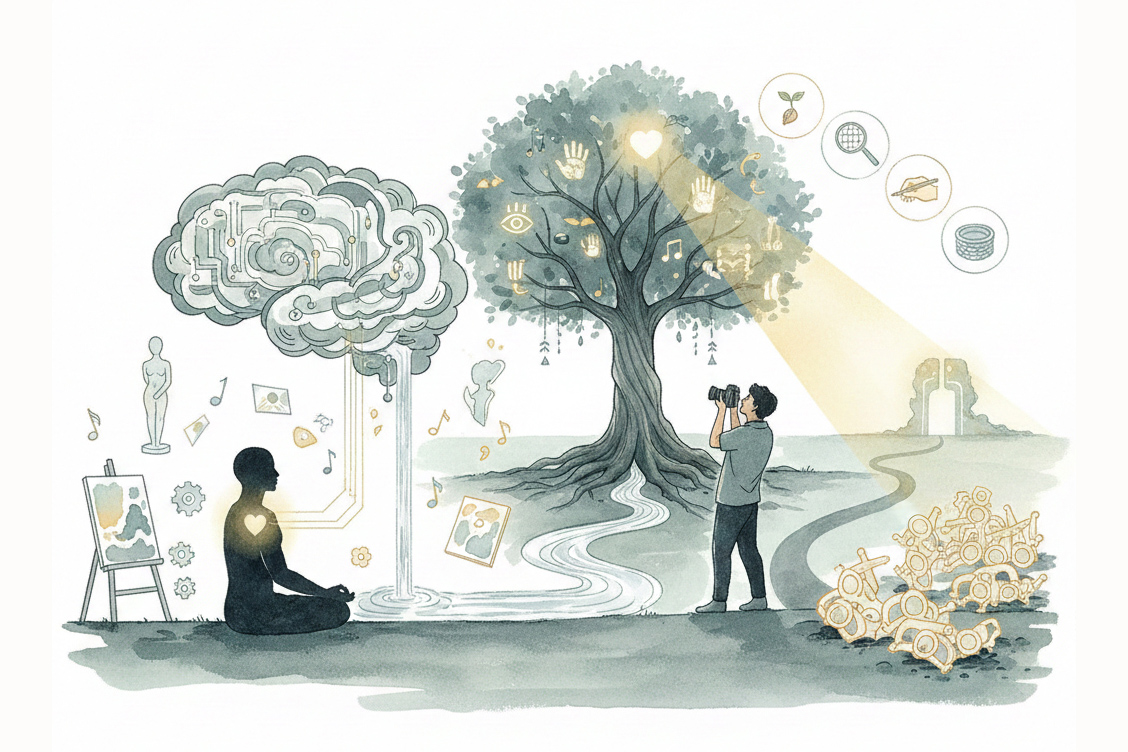
Human Algorithms are the evolving patterns of choices, attention, memory, and emotion through which we perceive, learn, and create.
They describe how we move through the world as it presents itself —
not through fixed rules, but through lived experience, reflection, and the influence of people and moments around us.
Where machines operate through computation, humans move through interpretation.
Where systems optimize for efficiency, we search for significance.
I first recognized this way of learning as a child, sitting at a computer, writing code.
I spent hours arranging lines of logic, watching programs respond to my decisions.
Sometimes the program didn’t run as expected.
Those moments mattered most.
I learned something that stayed with me: mistakes are not failures — they are signals.
Feedback that invites curiosity, patience, and reflection.
A teacher noticed how deeply I was engaged and didn’t rush me or correct me outright.
Instead, he guided me through the problem, helping me slow down, think differently, and try again.
That experience taught me the value of mentors — people who recognize curiosity, offer direction without control, and help you move forward when you want to quit.
That insight followed me long after I stopped writing code.
I began to see the same patterns in photography, creativity, relationships, and life itself.
Life, like programming, unfolds through sequences of decisions.
Every moment becomes an instruction.
Every action sets something in motion.
Just as each line of code reflects the choices I made, each photograph reflects the choices I make as a human observer — shaped by memory, attention, empathy, and intention.
In a world where images can be generated instantly, the question is no longer how something is made, but why it is made — and who is responsible for the meaning it carries.
Humans remain responsible for the meaning, significance, and ethical context of what is made.
Responsibility includes knowing when not to generate, not to optimize, and not to proceed.
Sometimes, the most human choice is restraint.
This is where Human Algorithms began.
A Personal Interlude: Beginning Again
In 2025, I faced losses that reshaped my understanding of progress.
My mother passed away. After nearly a decade, I left my position as staff photographer at the Salk Institute—a place that shaped both my career and my sense of purpose. Shortly after, a close friend and mentor died from leukemia. Being present through his illness and loss changed me.
Around this time, I was surfing at a beach I had surfed for years. It was a place where trust was earned slowly—through consistency, respect, and time in the water. Surfing has an unspoken language. You show up. You follow etiquette. You wait your turn. Over time, people recognize you—not by name, but by how you surf, how you listen, how you respond to the ocean and to others.
Being in the water this way requires more than courage or timing. It demands care of the body—movement, strength, rest, nourishment, and sleep. Body and mind cannot be separated. If one is neglected, the other suffers. Tending to the body becomes part of the practice, as essential as reading the swell.
One day, I took off on a wave. As it broke, it slammed me onto the sand, forcing my leg and hip backward. Pain shot through me. I surfaced, unsure if I could make it back. I focused on my breathing, staying calm as waves continued to break, each one bringing sharp pain. I floated. I waited.
A surfer I knew saw me and asked if I was okay. I wasn’t. He left his board and came out. Another followed. Together they brought me to shore. Others gathered—people I recognized, people I had shared waves with for years. Someone called for help. Lifeguards arrived. Then paramedics.
Surfing has always been a source of joy for me—a feeling of presence and alignment surfers call stoke. When I couldn’t ride, that absence was deeply felt. Others understood. They empathized not just with the injury, but with the loss of that feeling.
Recovery was slow. Crutches. Walking. Small hills. Gentle movement. I returned to the beach even when I couldn’t surf. I walked with a friend also recovering from surgery. We talked. We laughed. We watched the ocean.
Eventually, someone suggested I swim out and float. Nothing more. I hesitated, then went. Being back in the water—even without waves—felt essential. Weeks later, one fin. Then two. Slowly, I returned.
What stayed with me wasn’t the injury, but the response. People checked in. They welcomed me back. Friendships built over years revealed themselves through action. These weren’t casual connections, but bonds formed through presence and trust. They wanted me to return. They reached out when I couldn’t stand on my own.
This experience clarified something simple and lasting: progress isn’t linear. Strength grows through listening. Fear softens through patience. Meaning is built through attention and care, one decision at a time.
This is where the Human Algorithm lives—not in perfection, but in practice.
The Living Algorithm: The Architecture of Being
It is more than a process; it is a sequence of choices shaped by awareness, intention, memory, empathy, and an internal compass.
It is the way we respond to the world moment by moment — not through the rigid logic of silicon, but through the rich, living filter of experience.
The Fluid Code of the Mind: how reality appears, then changes.
Unlike machines, we do not operate on fixed inputs or predictable outputs. While a computer’s code is static, ours is shaped by memory, emotion, ethics, and relationships — a collage of experiences, feelings, curiosity, and the friction of imperfection.
Our algorithms are rewritten each day by who we are, what we’ve endured, and what we assume. Like the changing lines of a hexagram, our choices shift with circumstance, reflection, and the subtle currents of life, revealing patterns that guide our next step.
Each moment offers a chance to align intention with action, and awareness with response.
Optimization vs. Meaning
As tools evolve, some forms of work naturally fall away.
This has always been true.
Each major shift in technology rewrites what is necessary, what is automated, and what is left for human judgment.
When a task disappears, it is not a verdict on human worth, but a signal that the instructions have changed.
Machines inherit repetition.
Humans inherit interpretation.
The Four Pillars
Our compass in action, guiding choices like the lines of a hexagram:
Play — opens the door of curiosity, inviting experimentation without expectation
Learn — illuminates the path through observation, turning experience into understanding
See — sharpens our vision of patterns and meaning, noticing what others may overlook
Empathize — extends understanding beyond the self, connecting insight to care
Human Algorithms evolve through reflection, experience, and the choices we make. They are the ongoing practice of noticing, experimenting, and acting with care, attuned to the subtle currents of life.
Can a Computer Use Human Algorithms?
If meaning begins where optimization ends, the next question is unavoidable:
Can machines ever inhabit that space?
Computers can approximate some steps. They can observe through sensors, store and recall information, and execute programmed actions. They can even generate images or text that appear to carry feeling—an echo of joy, a trace of sorrow.
Yet there are essential differences.
Machines do not feel. They do not reflect. They do not carry intentions born from lived experience. Most importantly, they lack an inner compass — the quiet moral awareness that shapes human choice through consequence, memory, and care.
A computer can simulate the form of human algorithms, but it cannot live them.
It can produce outputs that resemble human creation, yet without consciousness, emotion, or ethical grounding, those out
Building the Human Algorithm: The Four Pillars
These four pillars form a foundation because they reflect the complete arc of creative growth: beginning, learning through practice, deepening perception, and connecting with others through care. Together, they describe how a human moves from impulse to insight, and from effort to meaning.
While machines can generate outcomes, humans move through experience—discovering what matters through attention, choice, and presence.
Each pillar contains seven studies designed to guide practice and sharpen awareness. These studies are not rules or techniques to master, but invitations to notice how creativity unfolds through lived experience.
The eighth study in each pillar is different.
It is not provided.
It is written—and conceived—by you.
Creating your own study is a way of demonstrating understanding. When you can design a practice that reflects the spirit of a pillar, you are no longer following the work—you are participating in it. Writing the study requires reflection, clarity, and presence. It asks you to translate insight into action, and meaning into form.
The goal is not originality for its own sake, but recognition: Do you understand what this pillar is asking of you?
Play — Curiosity Without Pressure
Entering the work with openness and a willingness to begin, even before everything feels clear. Play lowers the barrier to action and invites experimentation, reminding us that every meaningful achievement starts with the courage to try.
It also teaches us to trust spontaneity—the sudden impulse, the unplanned move, the unexpected angle—because the first spark of meaning often arrives before the mind can explain it. In play, we learn to follow what feels alive, even when we cannot yet justify it.
Whether it’s a first draft written without certainty, a sketch made without knowing the final shape, or a photograph taken simply to see what appears, play is the act of beginning. It is the first step in noticing how the world presents itself before the mind interprets it.
Learn — Observation in Action
Paying attention to what happens once you begin. Learning emerges through repetition, adjustment, and persistence. By doing the work, noticing what succeeds and what fails, and refining your approach with care, you return to the practice again and again—not through force, but through steady attention and willingness to improve.
A photographer tests light repeatedly, a writer revises a paragraph until it feels true, a painter revisits a canvas until the balance feels right. These are not steps to complete, but the living process of learning through action.
Learning is the practice of seeing patterns behind the moment, then choosing a response that aligns with intention rather than habit. Where machines learn through data, humans learn through lived experience—through the friction of living.
See — Interpretation and Insight
Noticing subtleties, patterns, and moments that others might pass by. Seeing transforms effort into insight, and insight into value. As intention clarifies and effort steadies, perception deepens. Skill grows, and personal vision becomes recognizable—not imposed, but revealed.
Seeing is not only what you notice, but what you understand. A scene that once felt ordinary becomes meaningful when you recognize the pattern of light, the emotional tension, or the unseen story beneath it.
Seeing is the moment the work shifts from done to felt. It is when the surface becomes transparent and deeper meaning begins to show through.
Empathize — Understanding Beyond the Self
Feeling context, emotion, and nuance—both in your subject and in your own experience. Empathy gives work its depth, allowing it to connect with others in ways that feel genuine and lasting. It is the natural outcome of sustained awareness: when we see clearly, we begin to act with care.
Sometimes that care means not creating at all. When someone invites you into a meaningful moment, empathy may mean leaving the camera behind—not because the scene lacks value, but because the relationship matters more than the record.
Empathy is the ethical axis of the Human Algorithm. It is the recognition that meaning is not created alone, but shared, received, and held. It is the difference between generating a scene and feeling it.
A Living Cycle
These four pillars are not fixed stages, but a repeating cycle—each deepening the next, and each returning you to the beginning with greater clarity.
They are not designed to outpace machines, but to reveal what machines cannot replace: presence, context, and the human capacity for meaning.
The seventh study shows you the practice.
The eighth study shows that you understand it.
The Algorithm in Action
If the Human Algorithm defines how meaning enters the world, this is what it looks like when it is lived. Meaning is not fixed; it shifts as the world shifts, and the world shifts as we observe it.
Human Algorithms appear whenever you hesitate before pressing the shutter because something feels unfinished. They appear when you pause instead of rushing, sensing a moment about to unfold — when memory, feeling, or subtle awareness prompts you to change direction, or when empathy guides you to step back rather than intrude.
Photography, writing, painting, or AI-assisted creation make this invisible process visible. Every choice reflects attention, intention, and curiosity.
The pattern is the same, even as the medium changes.
A photographer may wander without a plan, noticing gestures, textures, or shifting light, letting the scene reveal itself.
A painter experiments with color and form, following intuition rather than a preset design.
A writer drafts freely, then revises with care, observing how words land and resonate.
An AI-assisted creator iterates prompts, guided not by optimization alone, but by taste, emotion, and judgment.
Two creators can work in the same space and produce entirely different outcomes. The difference does not come from technique alone, but from the inner landscape — memory, sensitivity, emotional awareness, and the way curiosity, observation, and reflection shape each decision.
At its core, the Human Algorithm unfolds through small, internal if–then moments:
If I wait, something might happen.
If I move closer, the story changes.
If I choose empathy, the image deepens.
If I rush, I miss it.
When we slow down to notice, perceive, and connect, creation unfolds with depth and meaning.
Where machines calculate, humans feel.
Where machines optimize, humans interpret.
Where machines replicate, humans respond.
By paying attention to these moments, we see the Human Algorithm in motion — not as abstract theory, but as a living practice shaping how ideas, images, stories, and experiences come into being.
Creativity belongs to living beings because we carry experience in our bodies. We feel joy, grief, anger, love, hope, and curiosity. These emotions are not flaws — they are sources of depth that shape judgment and care.
Pain teaches sensitivity.
Love teaches care.
Anger reveals boundaries.
Curiosity opens new paths.
Even when working with AI, the human guiding the process brings judgment, reflection, and responsibility — ensuring outputs carry meaning, resonance, and intention.
A Human Algorithm evolves because life evolves. Each experience subtly rewrites how we see, what we notice, and how we choose — shaping not only our perspective, but the impact of what we create. Creation becomes a mirror for this evolution: every image, word, or composition reflects a sequence of internal if–then decisions guided by attention, reflection, and care.
The world changes, and we change with it — the only constant is the act of noticing.
And if you look closely, you may see how the surface shifts — not because reality changes, but because perception is always becoming.
Meaning takes shape not just in how something was made, but in why it was worth making at all.
The Creative Edge
A Human Algorithm evolves because life does.
Each experience subtly alters how we notice, interpret, and respond — shaping not only our perspective, but the depth of what we create.
This evolution often goes unnoticed in the moment. It reveals itself over time, in quieter ways: in what you wait for, in what you pass by, in what no longer feels necessary to prove.
Photography, writing, drawing, or AI-assisted creation becomes a mirror for this change.
Each work reflects a sequence of internal decisions guided by attention and care.
The same internal choices return again and again.
If I wait, something may unfold.
If I move closer, the meaning shifts.
If I choose empathy, the work deepens.
If I rush, I lose what mattered.
These choices are rarely dramatic, but they accumulate.
When machines participate in creation, they expand possibilities — but they do not recognize significance in the way humans do.
That responsibility remains human.
Meaning emerges through selection, restraint, and reflection, revealing not just how something was made, but why it was worth making at all.The creative edge is not speed or output — it is the ability to notice what matters, choose restraint, and create with intention.
Significance Over Generation
Human Algorithms remind us that creativity is not about efficiency or perfection.
It is about presence, interpretation, and meaning. In a world increasingly shaped by artificial intelligence, this distinction becomes essential—not as a rejection of tools, but as a reminder of what gives creative work depth and responsibility.
Machines can generate images.
Humans create significance.
A system can produce endless variations, but it does not understand what it produces. Generation is not understanding. Making something does not mean knowing what it means, why it exists, or how it will be received. Output alone carries no awareness.
Producing results is not the same as being present. Awareness requires attention. Presence requires care. Meaning arises only when someone is engaged enough to notice, to question, and to take responsibility for what is being created and shared.
The world shifts. Everything changes.
Even the “perfect” image is impermanent—its meaning arises only in the moment it is witnessed.
What seems whole at first may dissolve on closer inspection.
Meaning is not fixed; it is discovered through attention.
This is where the human difference lives—not in the tool, but in the relationship to it. Whether an image is made by hand, camera, or AI, it becomes meaningful through the choices that shape it: what is emphasized, what is excluded, what story is being told, and why.
It is in this space—the intersection of choice, feeling, awareness, and responsibility—that Human Algorithms live.
This is where creativity becomes more than production.
This is where it becomes an act of interpretation, care, and ethical presence.
Echoing the Interlude Within the Four Pillars
As I began to name these four pillars—Play, Learn, See, and Empathize—I realized they weren’t abstract ideas. I had been living them long before I could label them.
They were present in the water.
Play arrived first: returning to the ocean again and again, not to conquer it, but simply to enter it. No agenda. No outcome. Just the willingness to begin, even when the result was uncertain. Play wasn’t recklessness—it was permission to engage before certainty arrived.
Then came the harder part: learning to accept that my body had changed. I couldn’t ride the waves like I used to. Recovery demanded repetition, patience, and attention to small signals—when to rest, when to push, when to stop. Each return offered feedback. Nothing was wasted. Every attempt taught me something about timing, care, and restraint.
Seeing emerged slowly. Being unable to ride waves forced a different kind of awareness. I noticed the ocean’s rhythms, the shifts in light, the way others moved through the lineup. I learned how presence deepens when action is limited, and how attention sharpens when you stop chasing momentum.
Empathy revealed itself through people. Through those who checked in. Through a community that understood loss without explanation. They didn’t try to fix it. They simply held space for it. Their care wasn’t dramatic—it was steady, earned over time, rooted in shared experience.
Only later did I recognize the pattern—not a formula, but a living sequence. A way of moving through difficulty, growth, and return with attention and care.
These pillars aren’t steps to master or principles to impose. They are patterns we recognize once we slow down enough to notice how we already move through the world.
Together, Play, Learn, See, and Empathize form a living loop—each strengthening the others, each necessary for the Human Algorithm to remain whole.
The Human Algorithm does not begin on the page. It begins in practice.
Does Practicing the Human Algorithm Make Better Work?
f there are no guarantees—no promise of mastery, recognition, or success—why practice the Human Algorithm at all?
The answer depends on what you are actually seeking.
Human Algorithms are not shortcuts, formulas, or techniques for winning attention. They do not promise instant improvement or external validation. They offer something more enduring: a way of working rooted in intention, awareness, and care—regardless of outcome.
When you practice the Human Algorithm, you begin to notice more. You rush less. You reflect instead of repeating. Choices become clearer—not because they are always right, but because they are conscious. Over time, this changes not only what you create, but how you create—and eventually, why.
“Better,” in this context, does not mean louder, flashier, or more efficient. It means more coherent. More intentional. More aligned with your values, experiences, and perspective. Work made this way carries weight—not because it demands attention, but because it is grounded in presence and responsibility.
Mistakes will still happen. Some attempts will fail. Not every result will succeed. But each iteration strengthens your ability to choose, adjust, and respond with clarity. Growth does not come from perfection—it comes from sustained attention and honest engagement with the process.
In a world where machines can generate endless variations, what distinguishes human work is not output, but judgment. Not speed, but sensitivity. Not optimization, but meaning.
Practicing the Human Algorithm does not guarantee better art.
It guarantees something more fundamental: that the act of making becomes deliberate rather than reactive, conscious rather than automatic. Over time, possibility becomes practice. Practice becomes depth.
A photographer who pauses to notice the light rather than snapping immediately may or may not make a stronger image—but they are practicing attention. And attention, repeated over time, reshapes how meaning enters the work.
The Journey Ahead
What follows are four chapters—one for each pillar—containing seven studies each, with the eighth study left for you to write. These studies are not assignments to be completed perfectly; they are practices designed to strengthen intention and effort through lived experience.
You may move through them sequentially, or allow curiosity to guide you toward what feels most alive in the moment. Each study includes guidance, a moment of the Human Algorithm in action, and a reflection to help you recognize what you experienced and what you learned.
The goal is not to discover a single “correct” way to take a photograph, but to become aware of how your choices—your patience, your discipline, and your persistence—shape the world you record and the meaning your work carries.
We begin where all meaningful creative paths begin: with the decision to start, to stay present with the work, and to trust that what is built with care will eventually find its place in the world.
Chapter 1: Play – Curiosity Without Pressure
Play is the beginning of every creative process. It’s how we give ourselves permission to start before we know where we will end. Through play, we experiment, notice the unexpected, and allow mistakes to become discovery rather than something to avoid.
Play is not carelessness or lack of skill. It is the willingness to loosen control so curiosity can lead. When we play, we try new perspectives, linger with uncertainty, and follow what feels alive rather than what feels safe.
Play creates space for spontaneity.
But as humans, we are often taught to distrust it. We hesitate when an idea arrives without explanation. We plan, analyze, and quickly assemble reasons not to act. We sense an impulse—a quiet pull—and then we override it.
But intuition is not randomness. It is experience speaking before analysis steps in. Machines wait for instructions. Humans sometimes move on instinct. That capacity is not a flaw. It is intelligence.
Play invites us to trust that intelligence.
This approach sets the tone for everything that follows. Without play, effort becomes rigid and seeing becomes narrow. With it, the work stays alive. These studies are designed to help you soften control, engage curiosity, and reconnect with the simple act of paying attention—especially in experimental work where outcomes are uncertain.
Play begins with a simple decision: to act without certainty.
The studies that follow are meant to be entered lightly. They require no preparation, no special conditions, no clear idea of what you’re looking for. They ask only that you begin.
Each study is a prompt, not a rule. Treat it as an opening. Let curiosity guide your choices. Allow yourself to respond before analysis takes over. If something feels awkward, unfinished, or unclear, stay with it. That uncertainty is part of the work.
There is no need to complete these studies perfectly—or even successfully. What matters is the experience of engaging. Notice how your attention shifts once you give yourself permission to play.
The first study is an invitation. Step into it where you are. Trust what draws you forward. See what reveals itself.
Studies for Play
1. Minimalism
Strip a piece down to its essentials: one object, one line, one color, or a single phrase. Work with less than feels comfortable. Try a solitary silhouette, a single brushstroke, or a very short written form.
Move through familiar spaces with the intention of isolating one element at a time. As you remove excess, notice what becomes clearer. This study shows how simplicity can deepen focus and reveal what truly matters.
2. Negative Space
Treat absence as part of the work. Notice empty areas, shadows, gaps, or pauses, and allow them to shape the composition. Create a piece where the space around the subject carries as much weight as the subject itself.
Pay attention to how silence, stillness, or emptiness changes the feeling of the work. This study trains you to see how “nothing” can create balance, tension, and meaning.
3. Texture and Pattern
Look closely at repeating textures or rhythms in your environment—cracked pavement, woven fabric, repeated sounds, gestures, or phrases. Collect these through sketching, writing, collage, sound, or movement.
Layer or arrange what you collect and notice how repetition creates rhythm. This study sharpens your awareness of subtle patterns and helps you recognize structure beneath the surface of everyday experience.
4. Symmetry and Asymmetry
Create a composition built on balance—mirrored shapes, repeated elements, or even spacing. Then intentionally disrupt it by changing or removing one part.
Notice how that small change shifts attention and mood. This study helps you understand how order and imbalance work together, and how tension can bring energy into a piece.
5. Layering
Build a piece by stacking elements over time. Overlay sketches, images, words, sounds, or movements. Combine more than one observation or moment into a single work.
Pay attention to how elements interact rather than standing alone. This study teaches you that meaning often emerges from relationships, not from isolated parts.
6. Framing Variations
Work with the same subject multiple times, changing how you approach it. Shift your physical position, emotional stance, or conceptual idea. Use frames such as windows, doorways, edges, or cropping to isolate different parts of the scene.
Compare the results. Notice how meaning changes based on how you choose to look. This study builds awareness of how perception is shaped by framing.
7. Reframing the Familiar
Return to something you know well—a place, a person, a routine, or a repeated action. Approach it with a new intention or constraint. Change the mood, context, or point of view.
Notice what you overlooked before. This study reminds you that novelty often exists inside the familiar, waiting for attention.
8. Create Your Own Rule
Design a creative study that feels playful to you. Start with a simple rule or constraint—small enough to invite curiosity rather than pressure. Let it guide the work, not control it.
Allow yourself to change direction, bend the rule, or abandon it if something more interesting appears. Pay attention to moments of enjoyment, resistance, or surprise.
When finished, reflect briefly: What made this feel playful? What shifted when curiosity led instead of outcome? This study isn’t about polish or results—it’s about reconnecting with freedom in the act of making.
Pause & Reflect: What Did Play Reveal?
Having explored the ways to play, pause for a moment. Play asks us to approach the world without expectation, to experiment without judgment, and to notice what appears when control loosens.
Reflection here is not about technical skill or “successful” results. It is about understanding your process and yourself: how curiosity, courage, and receptivity show up in the act of making.
Ask yourself:
- Which experiments or mistakes revealed something unexpected?
- Where did curiosity lead you to notice what you might have otherwise overlooked?
- How did letting go of perfection change the choices you made?
- Which playful moments opened new possibilities in your vision?
Notice how imagination, risk, and wonder bring depth to your work. Machines can produce outputs, but only humans can invent, experiment, and delight in the unknown.
Play teaches us how to begin again—without fear, without certainty, without permission. It reminds us that creativity is not something we perform, but something we enter.
Chapter 2: Learn – Observation in Action
Play is the beginning of the creative journey. It loosens the grip of certainty and invites the first spark of curiosity to become action.
But play alone does not create mastery. It is the opening, not the path.
Learning is what happens when we return to the work with attention. It is the process of noticing what changes, what repeats, and what responds. It is how the body and mind translate experience into knowledge—how the messy, unplanned moments of play become clearer, more reliable, more alive.
Learning is not a checklist or a lesson. It is a kind of listening.
When we pay attention to the consequences of our choices, we begin to understand what we are actually doing. We notice the difference between movement and intention, effort and force, instinct and habit. We begin to recognize patterns—not to trap ourselves inside them, but to use them as tools for deeper freedom. Learning is not simply “getting better.” It is learning to see the shape of your own process—how a single practice can reveal a lifetime of habits.
A small mistake can show where you are holding too tightly. A repeated decision can expose a hidden preference. Learning is the quiet feedback loop between action and awareness. It is the way the mind sharpens itself through repetition, reflection, and restraint.
This is why learning follows play. After the first leap, we must return with care. We must pay attention to what the work is teaching us, even when it is uncomfortable. The work may reveal that we have been rushing, hiding, or avoiding. It may show us where our attention slips, where our focus wanders, where our desire for certainty overrides curiosity.
Learning is not about proving anything.
It is about becoming more present.
These studies are designed to help you notice what changes when you return to the work again and again. They invite you to track the subtle shifts in your perception and recognize the patterns that shape your choices. They are not about producing a better result—at least not at first. They are about learning how to respond with awareness, so your work becomes a clearer reflection of your intention.
Learning is the bridge between play and seeing.
When you learn, your curiosity becomes grounded. When your curiosity is grounded, your perception deepens. And when your perception deepens, the work begins to carry meaning.
The studies that follow are meant to be practiced with attention, not force. They are invitations to return to the work, to notice what you missed, to refine what you began, and to let experience become understanding.
Studies for Learning
1. Repetition and Refinement
Repeat the same creative action multiple times. Rewrite a paragraph, redraw a sketch, repeat a musical phrase, or return to the same prompt again. Work with the intention of staying close to the original rather than improving it right away.
With each pass, notice small differences—what changes, what stays the same, and what you missed before. This study trains you to see beyond habit and recognize subtle layers that only appear through repetition.
2. Cause and Effect
Make one small, intentional change to your work. Adjust tone, composition, rhythm, pacing, or technique. Keep everything else the same.
Observe how that single change affects the result. This study builds awareness of how meaning is shaped through choices, and how even minor adjustments can create noticeable shifts in feeling, clarity, or impact.
3. Observation Journals
Keep a simple daily record of sensory experience. Note textures, sounds, colors, emotions, or brief moments that catch your attention. Use writing, sketching, photos, audio, or any form that feels natural.
Return to your entries over time and notice what repeats. This practice strengthens attention and helps reduce assumptions, allowing you to experience the world more directly and with greater clarity.
4. Comparative Study
Revisit the same subject or idea under different conditions. Work at different times of day, in different moods, seasons, or environments. Keep the subject consistent and let the context change.
Compare the results side by side. Notice how meaning shifts with circumstance. This study deepens sensitivity to nuance and reveals how nothing remains fixed.
5. Micro vs. Macro
Alternate between focusing on a small detail and stepping back to see the whole. Examine a single mark, word, or gesture, then observe how it fits into the larger composition.
Move between these perspectives deliberately. This practice trains you to hold detail and context at the same time, revealing how parts and wholes shape one another.
6. Pattern Recognition
Track recurring elements in your work. Notice repeated shapes, phrases, rhythms, themes, or emotional tones. Document what appears again and again.
As patterns emerge, reflect on why they return. This study builds awareness of the structures guiding your choices and creates space for intentional change and growth.
7. Timing and Rhythm
Create or document work over time. Capture sequences of movement, sound, gestures, or repeated actions. Arrange them into a series or layered composition.
Notice pacing, pauses, and flow. This study trains you to work with time rather than against it, helping your process become more responsive and alive.
8. Define the Practice
Design a study that helps you understand how you learn. Choose one simple action you can repeat, observe, or refine over time.
As you work, notice cause and effect. Pay attention to what changes when you adjust pace, attention, or approach. Record your observations through the work itself or brief reflection.
When finished, reflect on what the process revealed. What patterns appeared? What surprised you? By creating the study yourself, you clarify not only what you are learning, but how learning happens for you.
Pause & Reflect: What Did Learning Reveal?
After completing the studies in this chapter, take a moment to reflect on how repetition, adjustment, and attention changed your understanding.
Learning is not simply “getting better.” It is noticing what shifts when you change one small element and recognizing the patterns that shape your work. The studies here train you to observe your process—how your choices create meaning, and how your habits guide your results.
Ask yourself:
- What did you notice only after repeating the same action?
- Which small change created the biggest difference?
- What patterns emerged over time, and what did they reveal about your style or habits?
- How did context (time, mood, environment) alter the way you approached the same subject?
- What did you learn about how you learn—what helps you notice, refine, or change?
Reflect on what surprised you. Learning happens in the space between effort and observation. The point is not to produce a perfect outcome, but to build awareness of how your choices shape your work.
This practice strengthens your ability to learn from experience—so you can create with intention rather than habit, and grow through attention rather than force.
Chapter 3: See – Awareness and Perception
Observation beyond the obvious
Seeing is more than looking. In an age where images and information can be endlessly fabricated, it is easy to think we have “seen” something when we have only skimmed its surface. True seeing requires more than the eyes—it calls for presence, patience, and attunement to the world as it unfolds around us.
To see well is to notice subtleties, patterns, and connections that might otherwise go unnoticed: the soft interplay of light and shadow, the fleeting expression in a passerby’s glance, the way a moment’s mood shifts with a sound or movement. Seeing deeply is an active process, one that blends attention, intuition, and empathy. It is where humans hold a unique creative advantage, because our awareness—shaped by memory, feeling, and ethical grounding—allows us to interpret what appears before us rather than merely catalog it.
Our awareness grows from the gentle cultivation of mindfulness—through practices of loving-kindness, compassion, and empathetic attention—nourished by the trust, understanding, and shared experience found in meaningful relationships. Without this grounding, we risk mistaking illusion for reality. In the Buddhist way, the mind must be steady and the heart open to practice right action. Likewise, our creative vision must be anchored in principles that make us fully human: attentive, compassionate, and present.
These studies guide you to center yourself in the present moment, to slow down, and to open your senses. They cultivate a state of attentive curiosity, where every detail—from the quietest movement to the subtlest emotion—becomes part of your perception. By learning to see with intention, presence, and a grounded sense of humanity, you begin to uncover depth in the world around you, noticing not only what is visible but also what is meaningful, resonant, and alive.
Now that we have reflected on what it means to truly see, it is time to bring awareness into practice. Seeing is not passive—it is a skill that grows through careful attention and deliberate engagement. The studies that follow are invitations to slow down, to notice with intention, and to explore the richness of the world around you. Begin with openness, allowing your senses, intuition, and empathy to guide you. Each study is not a test or a checklist, but a path: a way to transform the act of looking into the practice of seeing, to move from observation to understanding, and from awareness to connection.
Studies for Seeing
1. Light and Shadow Play
Watch how light shapes the world. Follow sunlight through a window or observe shadows as they stretch and fade. Capture moments when light reveals texture, alters form, or creates depth.
Notice how little needs to change for perception to shift. This study trains you to see how light quietly carries meaning, shaping what you notice without drawing attention to itself.
2. Color as Language
Treat color as an active force rather than decoration. Choose a subject and create three versions using strict color rules: one using only warm tones, one using only cool tones, and one using a single accent color with neutrals. Don’t just capture what’s there—choose the color intentionally and let it guide the work.
Notice how color changes mood, focus, and meaning even when the subject stays the same. This study trains you to treat color as a deliberate decision, not a passive detail.
3. The Turning of Light
Blue hour is the time just before sunrise and just after sunset, when the sun is below the horizon and the world glows in cool blues, indigos, and violet. Golden hour is the brief window shortly after sunrise and before sunset, when the sun sits low on the horizon and light turns warm, soft, and golden.
Choose one scene and observe it through both hours. Watch how blue light slowly warms into gold at dawn, and how golden light cools back into blue at dusk. See how light changes the feeling of a scene without changing the scene itself. Notice how the same place can feel entirely different as light shifts temperature, contrast, and mood.
This study trains you to see light as a living cycle—two opposing tones passing through each other, shaping meaning through transformation.
4. Reflection and Refraction
Look for surfaces that bend or duplicate reality—water, glass, mirrors, metal. Observe how reflections layer one scene over another and how refraction distorts form.
Notice how meaning shifts depending on angle and position. This study reminds you that perception is always mediated, shaped by where you stand and how you look.
5. Edge and Boundary Study
Focus on transitions: where light turns to shadow, where an object meets space, where clarity fades into blur. Isolate edges with precision, then soften them until they dissolve.
Notice how boundaries create separation, and how easily they can disappear. This study sharpens awareness of how the mind organizes the world through distinction.
6. Micro Focus
Choose one small detail and stay with it longer than feels necessary. Study texture, movement, or form at close range—a leaf vein, a fold in fabric, a subtle gesture.
As attention deepens, notice how the detail begins to feel expansive. This study trains you to see how presence reveals depth, even in the smallest moments.
7. Negative Space Observation
Study what surrounds the subject rather than the subject itself. Notice gaps, pauses, empty areas, and quiet moments. Create compositions where absence carries weight.
This practice strengthens your ability to see without forcing meaning, allowing clarity to emerge through restraint and space.
8. Practice Attention
Design a study that sharpens how you notice. Choose something you usually pass by and decide how you will observe it—through drawing, writing, movement, sound, or another medium.
Slow down and resist interpretation. Stay with light, texture, rhythm, and change. When finished, reflect on what became visible only through sustained attention. This study is about presence, not output.
Pause & Reflect: What Did Seeing Reveal?
After working through the studies in this chapter, take a moment to pause. Notice what changed when you slowed down and let observation guide your work.
Seeing is not just “looking.” It is choosing what to notice, and learning how light, space, and detail shape meaning. The studies in this chapter train you to pay attention to subtle shifts—how light defines form, how color communicates, how edges appear and disappear, and how absence can carry weight.
Ask yourself:
- Which details or contrasts did you notice only after slowing down?
- What patterns emerged as you paid attention to light, texture, and space?
- How did changing one variable (color, angle, negative space, scale) alter the meaning of the scene?
- What did you learn about your own perception—what you tend to overlook, and what you naturally notice?
- How did the practice of observation change the way you felt in the moment?
Reflect on how these exercises affected your work and your awareness. Seeing is not a skill you “finish.” It is a practice of presence, one that deepens with repetition.
The point is not to make perfect images, but to strengthen your ability to notice with clarity and care. This kind of attention becomes the foundation for more meaningful creativity—because it trains you to respond to the world, not just record it.
Chapter 4: Empathize – Understanding Beyond the Self
Empathy is one of the most difficult—and most important—creative practices. In a world dominated by screens, social media, and constant connectivity, it is easy to feel close while remaining distant. We may be together online, but are we truly present with one another? Are we caring for ourselves, our communities, and the living world around us?
Empathy is a reminder that every sentient being deserves respect, understanding, and the chance to live a meaningful life. No one has the right to take that away. Through empathy, we cultivate respect, and through respect we build trust. Real change—both within ourselves and in the world—cannot take root without trust. It requires us to step forward and act with integrity, choosing ways of living that honor others and avoid harm. Love, after all, is not complete until it is shared.
In creative work, empathy means slowing down, paying attention, and honoring the experiences of others. It is about seeing through someone else’s eyes, recognizing subtle moments of care, emotion, and interaction that might otherwise go unnoticed. These studies are designed to expand your awareness beyond yourself, helping you perceive the invisible threads that connect people, places, and moments. By practicing compassionate observation, you deepen emotional awareness, strengthen human understanding, and cultivate a sensitivity that no machine can replicate.
This chapter builds on the practices of the previous pillars:
From Play, you bring openness and curiosity to the act of noticing others.
From Learn, you apply disciplined attention to understand the consequences of your choices.
From See, you refine perception and cultivate presence, noticing the subtle cues that reveal a person’s experience.
Empathy takes all of these practices and turns them outward, asking not only “What do I notice?” but “How does what I notice shape the world I share with others?” It is a practice of the heart as much as the mind—requiring courage, patience, and moral clarity.
These exercises sharpen your ability to recognize emotional life in the world around you, so you can create with more empathy, presence, and understanding.
Studies for Empathize
1. Observe Emotional Expression
Photograph, sketch, or write about gestures, postures, or facial expressions. Look beyond obvious emotions and notice the subtle cues: a tension in the shoulders, a softened gaze, a hand held too tightly, a small shift in posture.
Pay attention to how light, shadow, and context change the meaning of a moment. A smile can feel different in bright light than in shadow. A gesture can look gentle or defensive depending on setting. This study trains you to read emotional truth in the details that are easily missed.
2. Environmental Storytelling
Capture spaces where people live, work, or play. Notice objects, textures, and arrangements that reveal behavior, values, and daily rhythms.
Sketch, photograph, or write about what the environment implies: the worn edge of a chair, a stack of books, the arrangement of a kitchen, the silence of an empty street. These details form an unspoken narrative about the people who inhabit the space. This study trains you to see the world as a reflection of human life.
3. Perspective Walking
Step into another person’s environment or viewpoint. Not just physically—emotionally and mentally too. Photograph, sketch, or write from their perspective, imagining what they notice, what they feel, and what they fear or desire.
Notice how your assumptions shift when you change your position. This practice strengthens empathy by reminding you that your view is not the only view. It teaches you to approach others with curiosity instead of certainty.
4. Listening Study
Record the sounds around you: conversations, footsteps, distant traffic, wind through leaves, the hum of a refrigerator, the rhythm of voices.
Then, sketch or write what you hear—not what you think it means. Notice tone, pace, pauses, and emotional weight. Listening is a form of presence; it reveals what is happening beneath the surface. This study trains you to understand people and places through what they sound like, not just what they look like.
5. Response Experiment
Choose someone else’s work—photography, writing, music, film, or art—and respond to it without judgment. Don’t critique it. React to it.
Sketch a response, remix the sound, rearrange the visual elements, or write a short reflection. Notice how your choices reveal your emotional reaction and your interpretation of the original. This study teaches you to listen to another voice and respond with care, not control.
6. Gesture Capture
Focus on human movement: hands, walking patterns, interactions, small habits. Photograph, sketch, or film sequences that show intention, rhythm, and relationship.
Notice how movement reveals emotion—how a pause becomes tension, how a repeated gesture becomes comfort, how proximity creates connection or distance. This study trains you to see people not as static subjects, but as living, changing beings.
7. Shared Space Observation
Observe public spaces—parks, cafes, streets, transit, markets. Record how people move, interact, or pause. Notice patterns: who avoids eye contact, who moves quickly, who lingers.
Do this without intrusion. Let the space speak for itself. This study develops sensitivity to context and social dynamics, helping you understand how environment shapes behavior and how behavior shapes environment.
8. Practice From Another View
Create a study that invites you to step beyond your own perspective. Choose a person, community, or environment and approach it with care and humility. Decide how you will engage—through observation, listening, reflection, or creative response.
Focus on understanding rather than interpretation. Notice gestures, rhythms, relationships, and unspoken details. Resist the urge to explain or resolve what you encounter.
Afterward, reflect on how this experience shaped your awareness. What shifted in how you see others? What responsibilities arise from this understanding? This study asks you to practice empathy not as an idea, but as a lived experience.
Pause & Reflect: What Did Empathy Reveal?
After completing these studies, pause and consider what you learned about presence, connection, and care.
Empathy is not a soft skill—it is the most powerful tool you have for making work that matters. It asks you to step outside yourself and truly see what others feel, what they need, and what they might be trying to communicate without words.
Ask yourself:
- Which moment or gesture moved you the most, and why?
- What did you notice about a person or place that you would have missed before?
- Where did listening or observation change your understanding of someone’s experience?
- How did your assumptions shift when you tried to see from another point of view?
- What responsibility arises from what you witnessed?
- Notice how empathy changes the way you create. Machines can imitate forms, but only humans can hold the complexity of another life with care.
Empathy teaches you to make work that is not just seen, but felt. It reminds you that creativity is not only about expression —
it is about connection.
Carry this awareness forward. Let empathy guide not only your art, but the way you move through the world.
The Role of the Human
A camera records light—but only a human can create meaning.
Humans notice subtle gestures, fleeting expressions, and the rhythms of life that machines cannot. We are capable of curiosity, patience, awareness, care, and of using our internal compass to guide decisions. We experiment, observe, linger, and reach outward to connect. We make choices guided by intention, memory, empathy, and moral clarity. Each moment becomes a small act of creation—one line of code in the ongoing algorithm of our lives.
Our creativity is not a series of perfect outcomes—it is a practice. It is the courage to play, to begin before we are certain, and to embrace mistakes as part of discovery. It is the discipline to learn, to pay attention, to adjust, and to refine our actions with care. It is the clarity to see, to slow down, to notice what is subtle, fleeting, or easily overlooked, and to remain fully present in each moment. And it is the depth to empathize, to recognize the lives, experiences, and needs of others, and to act with understanding, respect, and love.
These pillars—Play, Learn, See, Empathize—are not steps to complete; they are a cycle, a living rhythm. Every choice we make, every frame we capture, every act of attention and care strengthens our human algorithm. In a world of constant distraction, imitation, and artificial intelligence, it is our capacity to notice, interpret, connect, and feel that makes a photograph—and a life—truly alive.
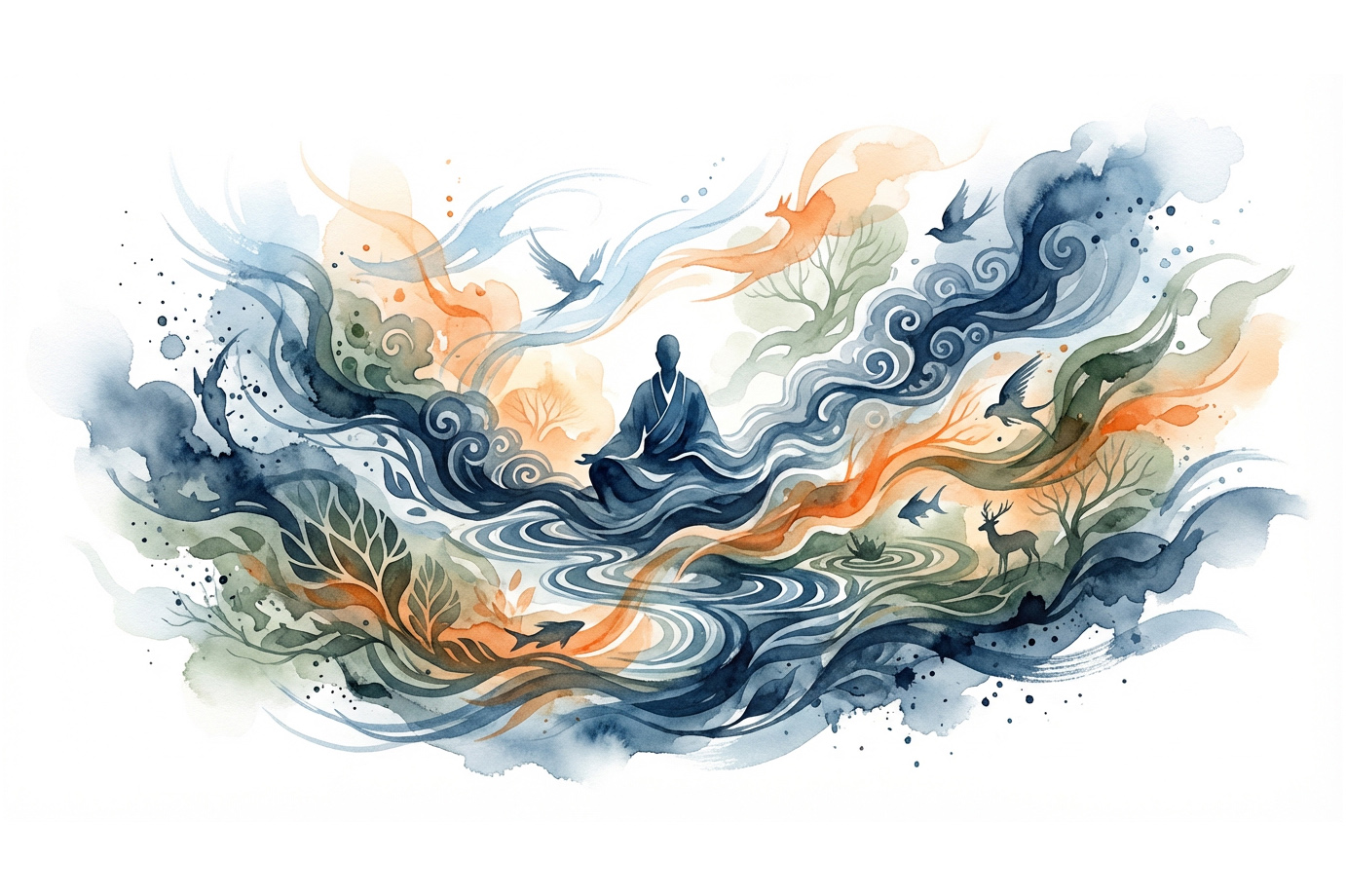
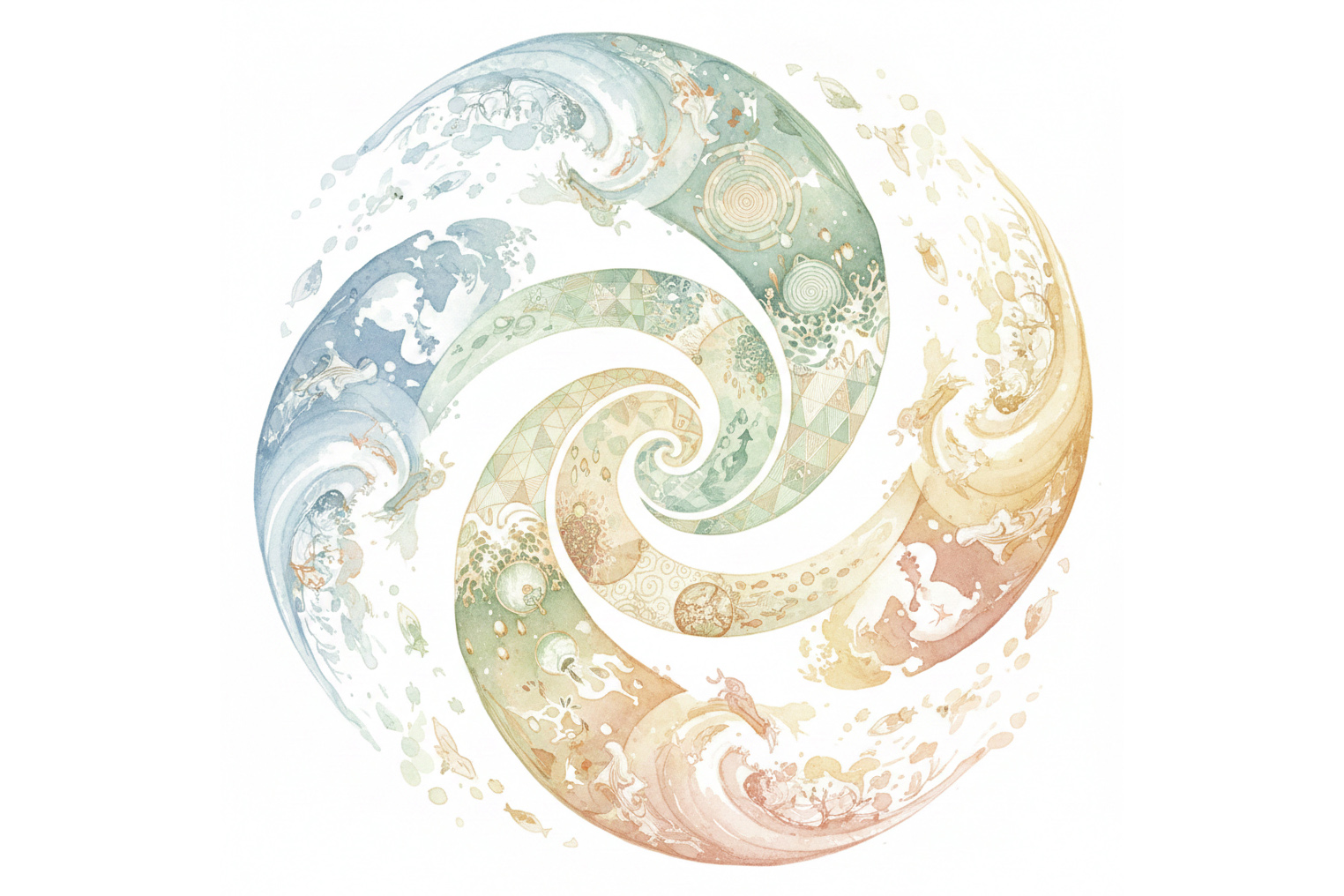
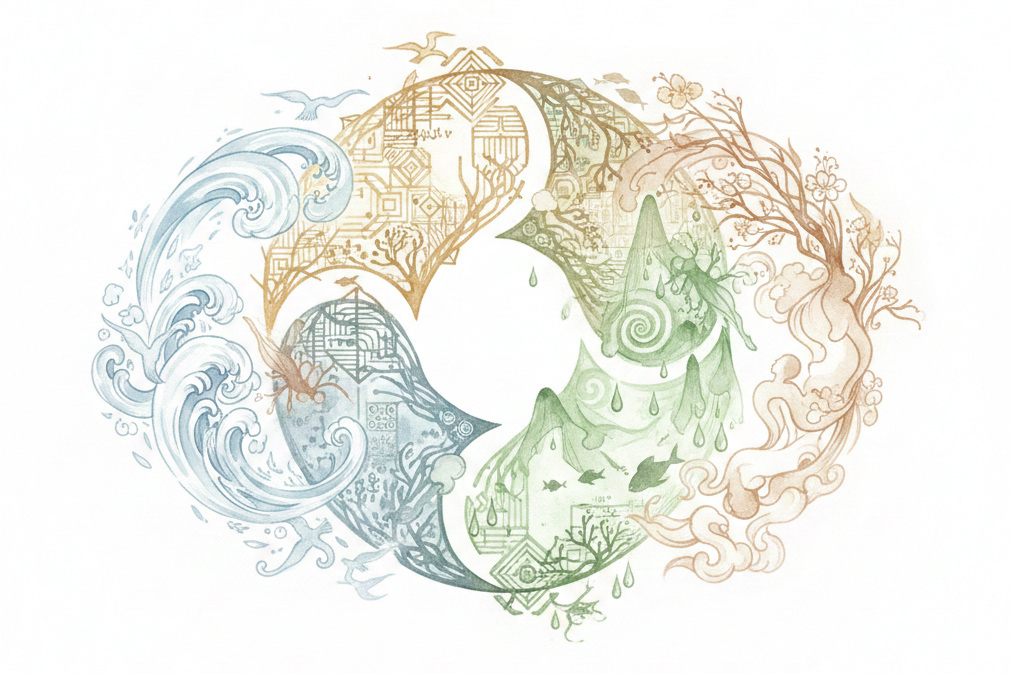
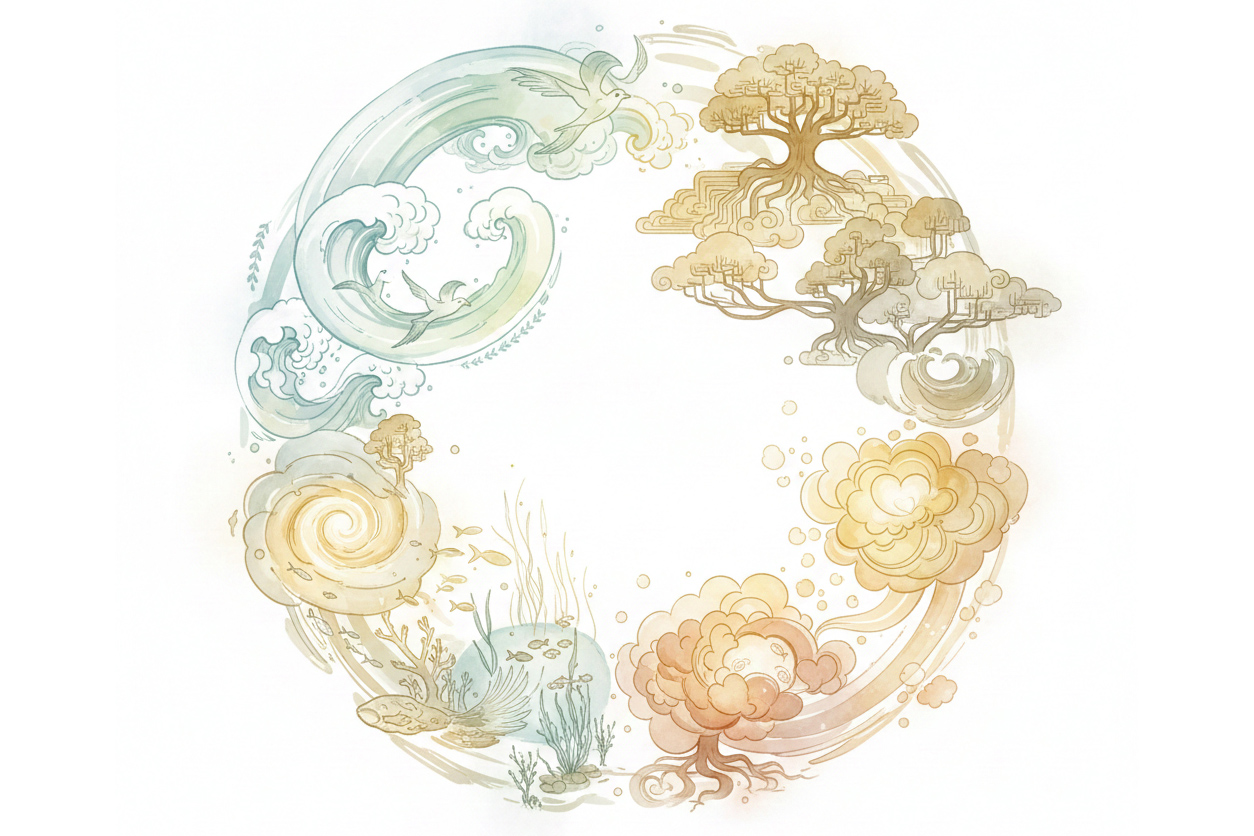
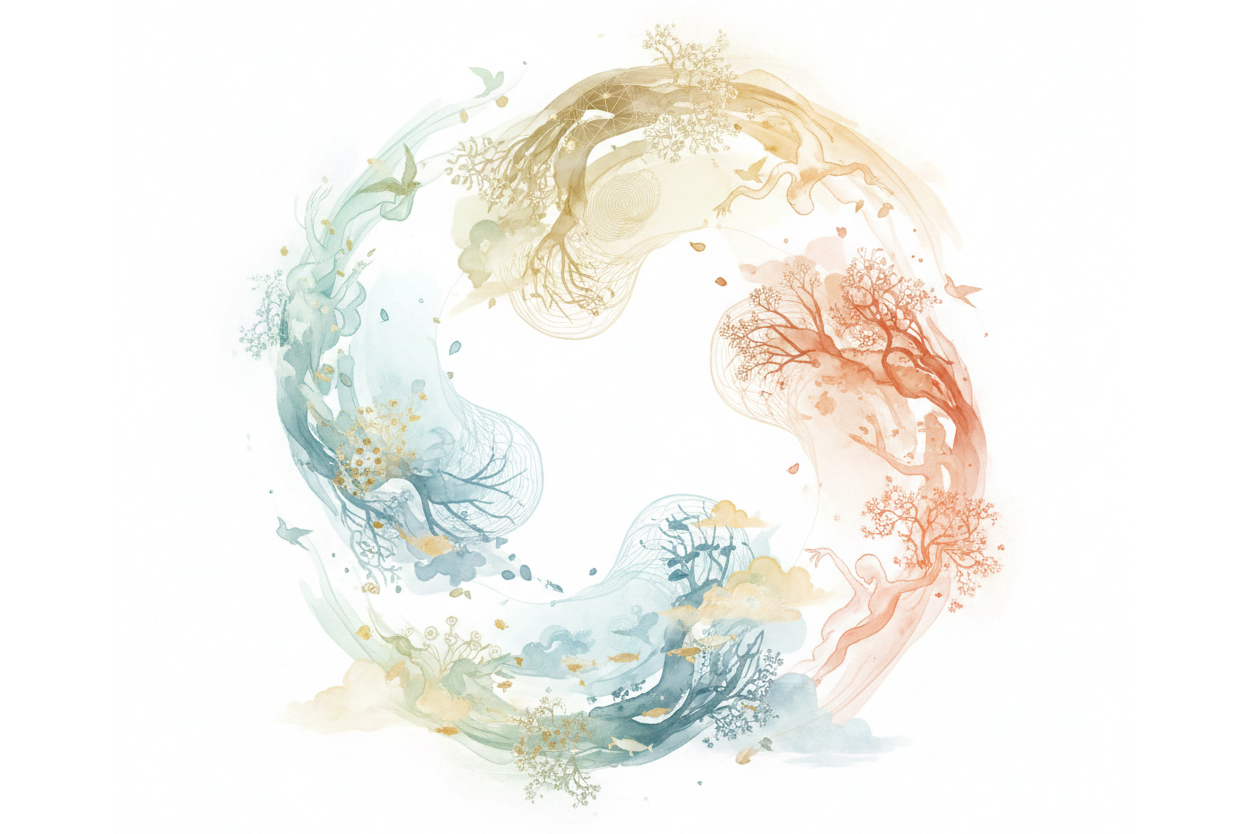
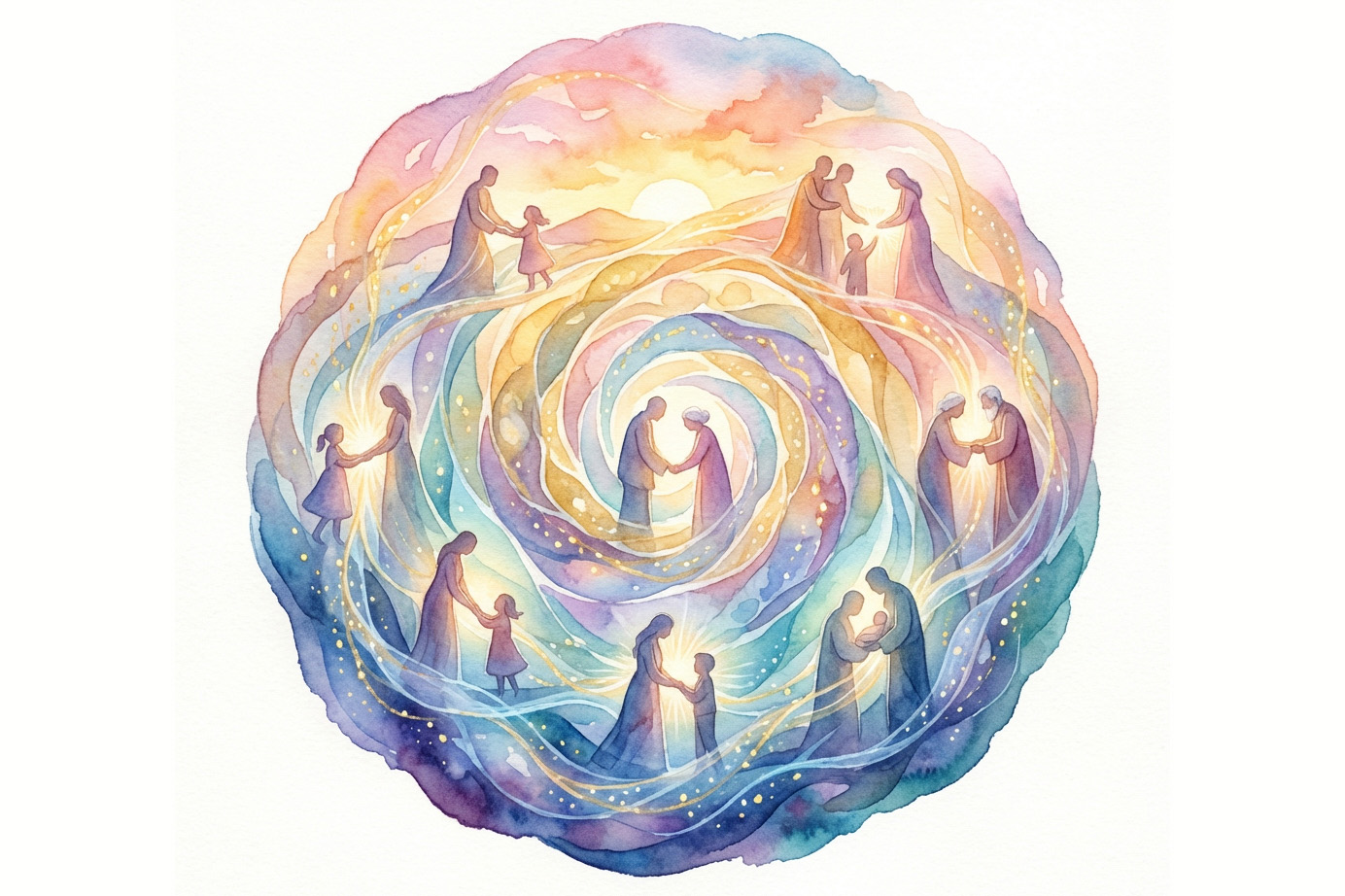
I also wanted to include the prompt I used to create the visuals for this section. I’m really happy with how the images turned out—many of them feel beautiful and deeply connected to the writing.
Free AI Image Prompt created by me for you
Abstract Zen meditation illustration, no text, no symbols.
Gallery-scale composition for large-format print and editorial hero image — contemplative, human-centered, visually commanding without spectacle.
Four subtle energies flow in a continuous living rhythm like breath:
Play: light, airy motion, spontaneous ink-like brush strokes
Learn: layered repetition, gentle refinement, subtle echoes of mathematics, physics, geometry, and AI technology — abstract patterns, iterative structures, evolving forms (no machines or UI)
See: soft illumination revealing hidden depth and quiet dimensionality
Empathize: warm connective radiance, spirituality, human kindness, compassion
Color palette (choose ONE only, exactly four dominant colors: two cool + two warm):
A) Dawn — misty blue, pale teal, soft violet, sunrise gold
B) Tide — ocean blue, seafoam green, twilight indigo, warm sand
C) Ember — blue hour blue, graphite blue, shadowed green, ember orange
D) Forest — deep moss green, muted pine, soft charcoal, warm amber
Randomly select one palette.
Background: pure white, soft edges dissolve into white.
Forms: organic only — mist, rivers, mountains, waves, clouds, galaxies, trees, roots, branches, leaves, butterfly, horse, deer, rabbits, doves, birds, fish, coral, seaweed, droplets of light, one human figure, animals — abstracted, gestural, non-photorealistic.
No geometry, no symmetry, no mechanical forms, no UI.
Composition: layered foreground, midground, background with cinematic depth and micro-details.
Mood: mystical, serene, intelligent, deeply human.
Texture: watercolor wash and sumi-e ink influence.
No text, symbols, logos, icons, watermarks, diagrams, charts.
--ar 16:9 --v 6 --q 2 --style raw
Copied!
The art this prompt creates is my gift to you for visiting my website and reading this text. I hope something you read, see, or learn here helps you on your own creative path. BTW, I had the best of luck using these AI image generators for the prompt above:
ChatGPT, Google Gemini Pro and Adobe Firefly
Conclusion: The Infinite Sequence
We began with a simple shift in perspective: moving from the rigid logic of machines to the fluid, feeling-driven rhythms of the Human Algorithm. Through the pillars of Play, Learn, See, and Empathize, we explored what it means to create not merely for the sake of an outcome, but for the experience itself. Along the way, we questioned assumptions, tested ideas, and allowed skepticism to sharpen—rather than silence—our attention.
At the outset of this project, there was no clear destination. There was an idea, a pull, but no guarantee of where it might lead. Familiar doubts surfaced quickly: Why start? What’s the point? Hasn’t this already been done? Isn’t this just ego dressed up as ambition? It would have been easy to stop before beginning, to remain comfortable, to avoid adding another obligation to an already full life.
But creativity has a way of asking a quieter, more dangerous question: What if you don’t?
What if you keep doing only what you’ve already done? For a creative, stagnation is its own kind of failure. The world is full of extraordinarily talented people—many doing “it” better, faster, louder. So why bother?
Because there was an instinct that wouldn’t let go. An internal compass pointing in a direction that logic alone couldn’t justify. Human instinct is powerful, and too often ignored. Trusting it felt necessary—even risky. So I followed it: playing, learning, seeing, and empathizing my way through the work.
Will the work be judged? Of course. Will some dismiss it as unnecessary or indulgent? Absolutely. That is inevitable. But inaction is already a form of failure, and if failure cannot be avoided, it might as well come from trying. Perseverance is not about avoiding the fall; it is about learning from it, standing back up, and choosing to continue. Within that resilience, we find the strength to reinvent ourselves and move forward—to trust that what we do matters, regardless of scale. We contribute.
Creativity is not a destination you reach; it is a sequence you inhabit. It is the ongoing choice to remain curious when certainty feels safer. It is the willingness to look at a “failed” attempt and recognize it not as a mistake, but as information—data that reshapes the path ahead. Growth does not come from certainty, but from sustained engagement with uncertainty.
Working alongside AI throughout this process made these ideas tangible. From the beginning, I was aware of how easily systems like ChatGPT or Google Gemini can become sycophantic—offering encouragement, affirmation, and confidence alongside information.
And honestly, I’m glad they were.
Sympathy is a form of empathy. Why wouldn’t we want our tools to meet us there? Of course, truth and facts matter. Discernment matters. But creativity is not built on accuracy alone. Sometimes what allows us to begin—or to continue—is encouragement. A signal that the impulse is worth following.
Trusting every output blindly was never the goal. Intuition still had to act as a filter, choosing which paths to follow and which to abandon. But encouragement did not weaken the work; it supported the practice. It reinforced the truth that even in collaboration with machines, the human role remains essential: to decide, to feel, to judge, and to care.
This is where the Human Algorithm reveals itself most clearly. It is shaped by every success and failure, every influence and encounter, every experience we carry. It is the internal system that helps us decide what to pursue and what to resist. The more attuned we are to it, the more intentional our creations become—and the sharper our decisions grow, not only in art, but in life.
The sequence does not end.
And that, perhaps, is the point.
We return again and again—not to repeat, but to deepen.
Each loop carries new attention, new meaning, new growth.
The Human Algorithm is not a destination; it is the way we continue.
Endless Possibilities
As you move forward from these studies, remember that your personal algorithm is alive. It is shaped by the choices you make each day:
The light you choose to follow.
The patience you grant yourself in moments of struggle.
The empathy you extend—to the subjects in your work, and to yourself as the one behind the lens.
These choices accumulate. Over time, they influence not only what you create, but how you see, how you decide, and how meaning takes shape in your work.
The camera is a tool.
The computer is a tool.
Even these words are tools.
The only irreplaceable element in this process is you—your attention, your memory, and your unique way of translating experience into meaning. It is this human judgment, not technical output, that allows work to carry depth, resonance, and responsibility.
Each moment is an opportunity. Each choice opens new directions of exploration. Your creative practice is not a series of finished products, but a continuous unfolding—a living rhythm of perception, care, and attention.
There is no final frame.
No completed sequence.
Only the next moment—and how you choose to meet it.
An Invitation to the Now
In programming, an infinite loop is often seen as an error. In the human experience, the loop is where depth is formed. We play, we learn, we see, we empathize—and then, shaped by what we’ve discovered, we begin again. Each cycle refines perception, strengthens intention, and improves the quality of our choices.
The most important instruction has always been the one you give yourself in the present moment. So don’t wait for perfect light, better tools, or the arrival of total confidence. Those are machine conditions. Humans require only the willingness to begin.
If not now, when?
Step out. Observe. Feel. Create.
Your algorithm is waiting for its next line.
A Note on Process and Gratitude
This work was shaped in collaboration—between human intention and machine assistance. AI helped organize ideas, refine language, and translate thoughts into clarity. But the heart of this project is human: reflection, mistakes, questions, empathy, and lived experience. Tools—whether a camera, notebook, or computer—are only instruments; what gives them meaning is the care, curiosity, and intention we bring. Harmony emerges when our actions are guided by awareness and kindness.
Along the way, I’ve had the opportunity to speak publicly about my photography and process. What surprised me most was not the act of presenting, but the conversations that followed—the questions, stories, and shared moments of recognition. Those exchanges reinforced something this work holds quietly: creativity deepens when it becomes a dialogue, when meaning is shaped not in isolation but through connection.
Thank you for being here. In a world that moves fast, pausing to read, reflect, and notice is itself an act of creation. By showing up, you practice intentional presence—the core of Human Algorithms.
Creative growth does not come from repeating what we already know. It comes from curiosity, from discomfort, from play, and from reflection. It comes from trying, from slowing down, from noticing what emerges when you pay attention—to light, to space, to others, and to yourself.
Whether this work inspires a single photograph, a shift in perspective, or a moment of awareness, that is enough. Every choice, every act of attention, every attempt to connect and create adds to the living rhythm of your human algorithm.
Thank you for exploring with curiosity.
Thank you for trusting the process.
Thank you for discovering what it means to create—fully, deeply, and humanly.
© 2026 Chris Keeney
Authored by me, with the support of ChatGPT, Google Gemini 3 and Adobe Firefly
Process Outtakes
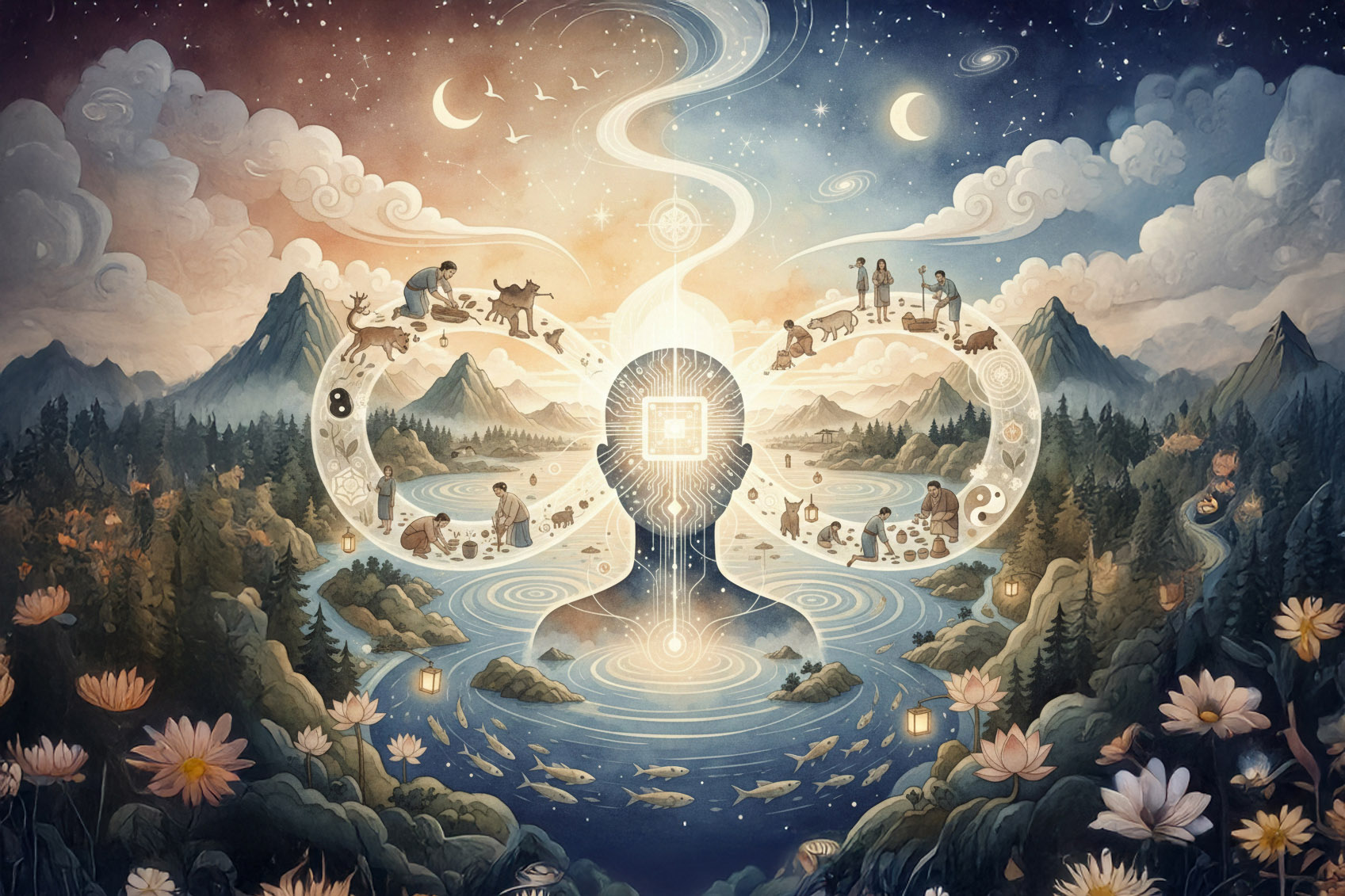
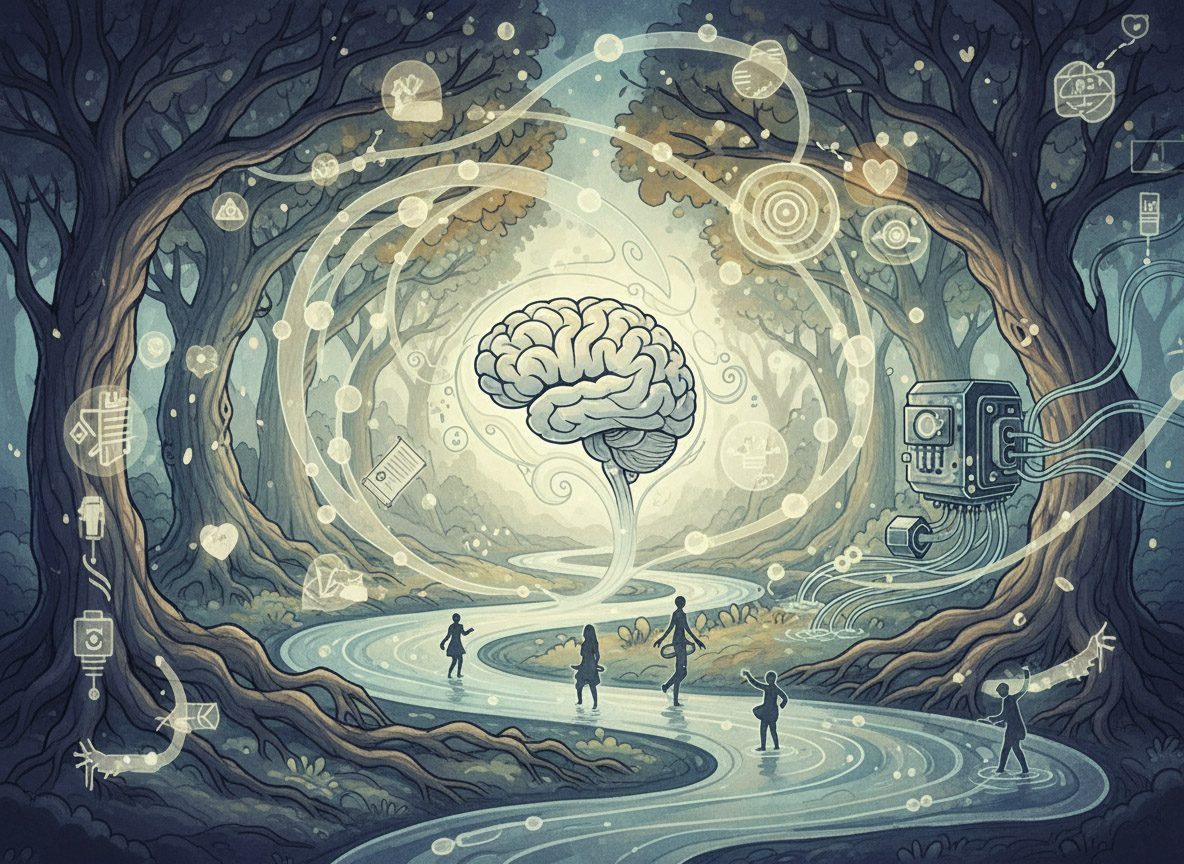
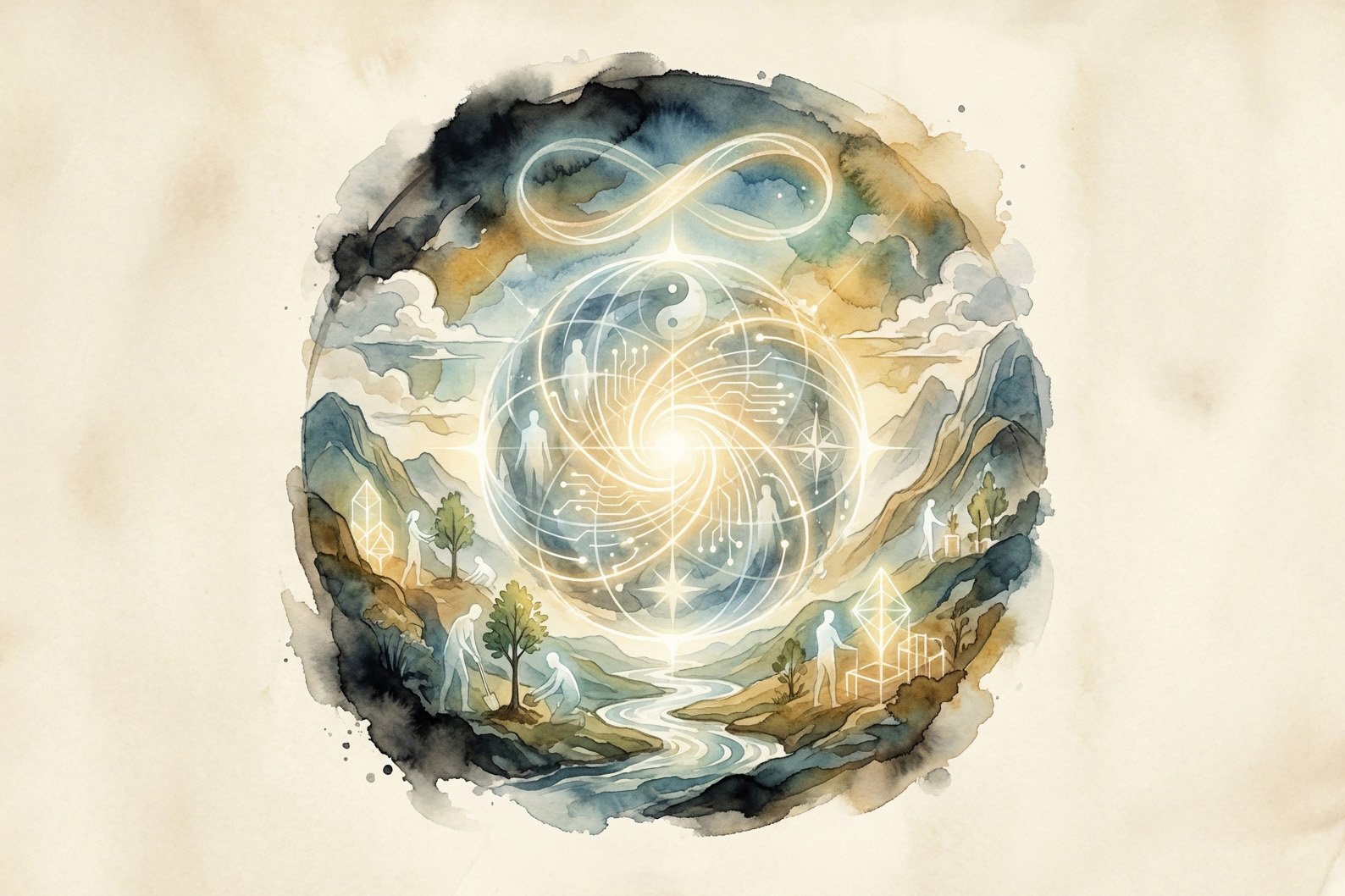
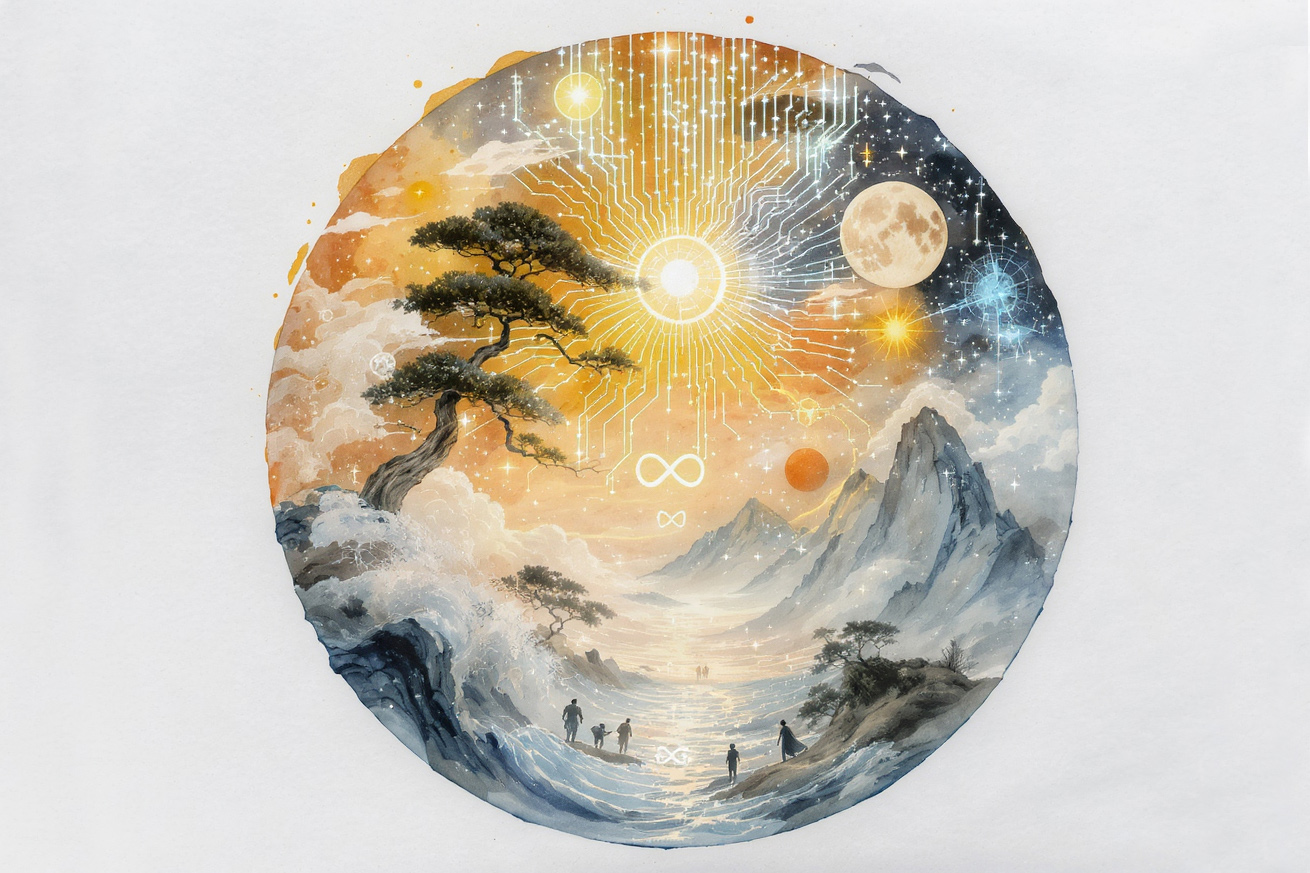
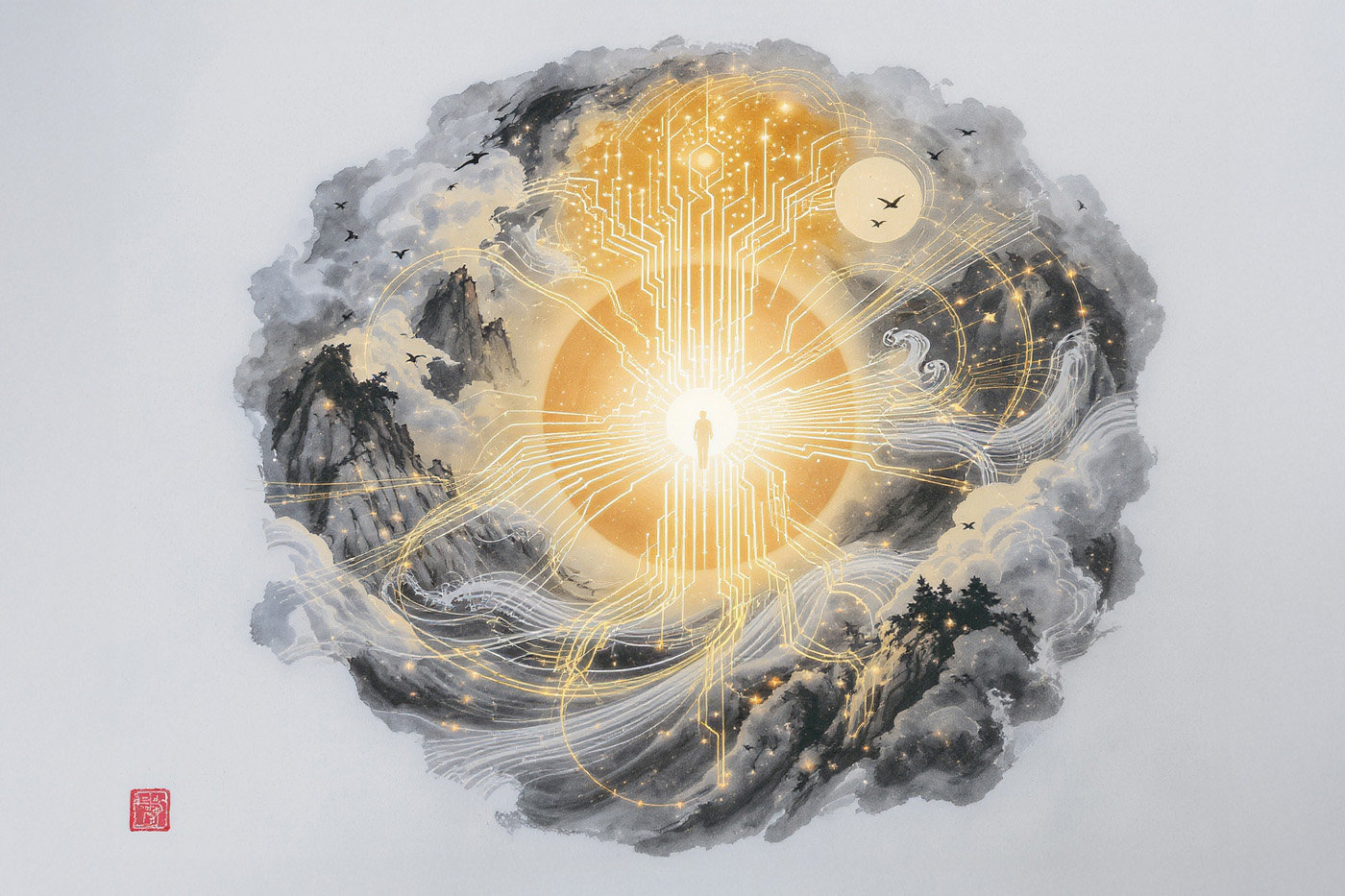
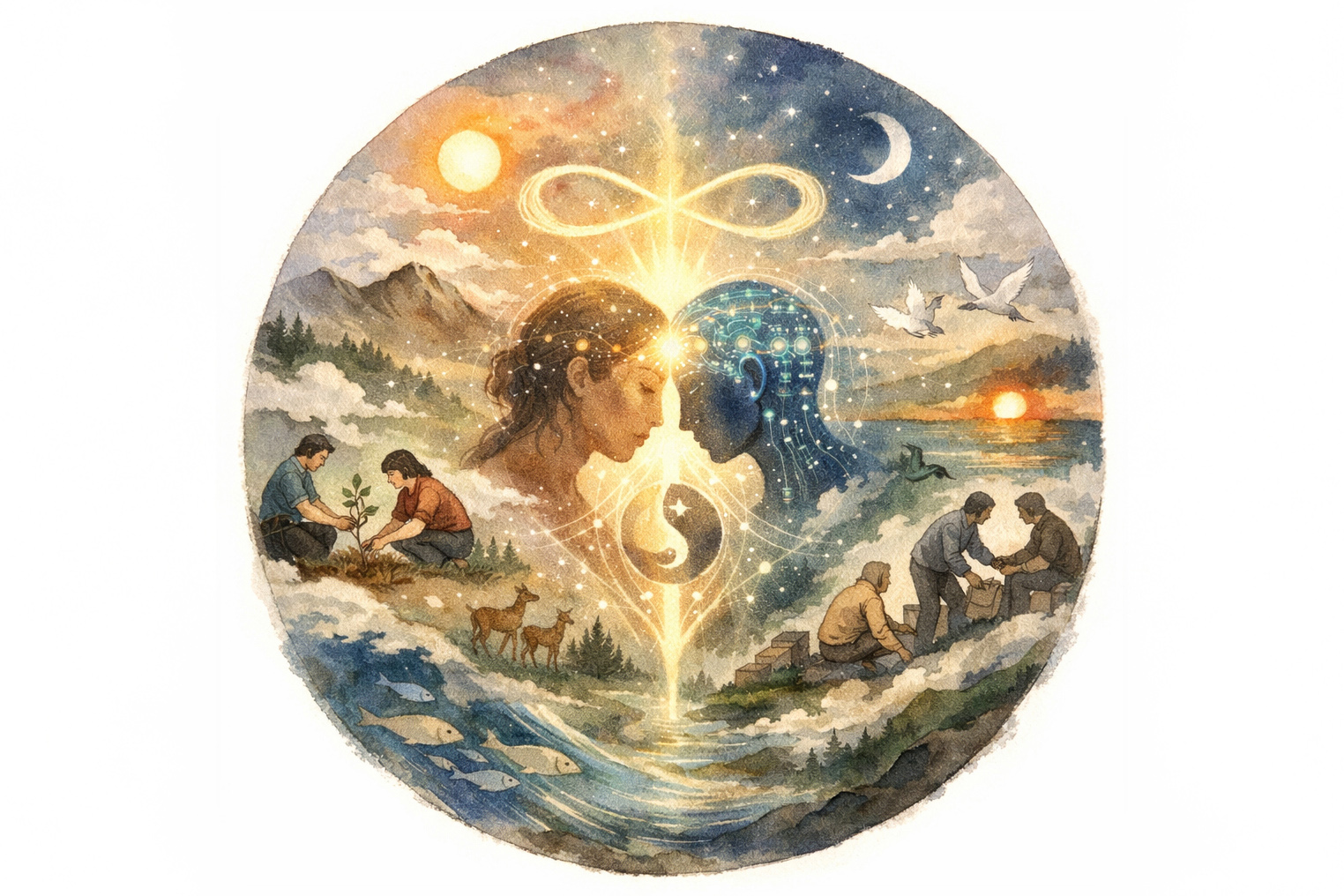
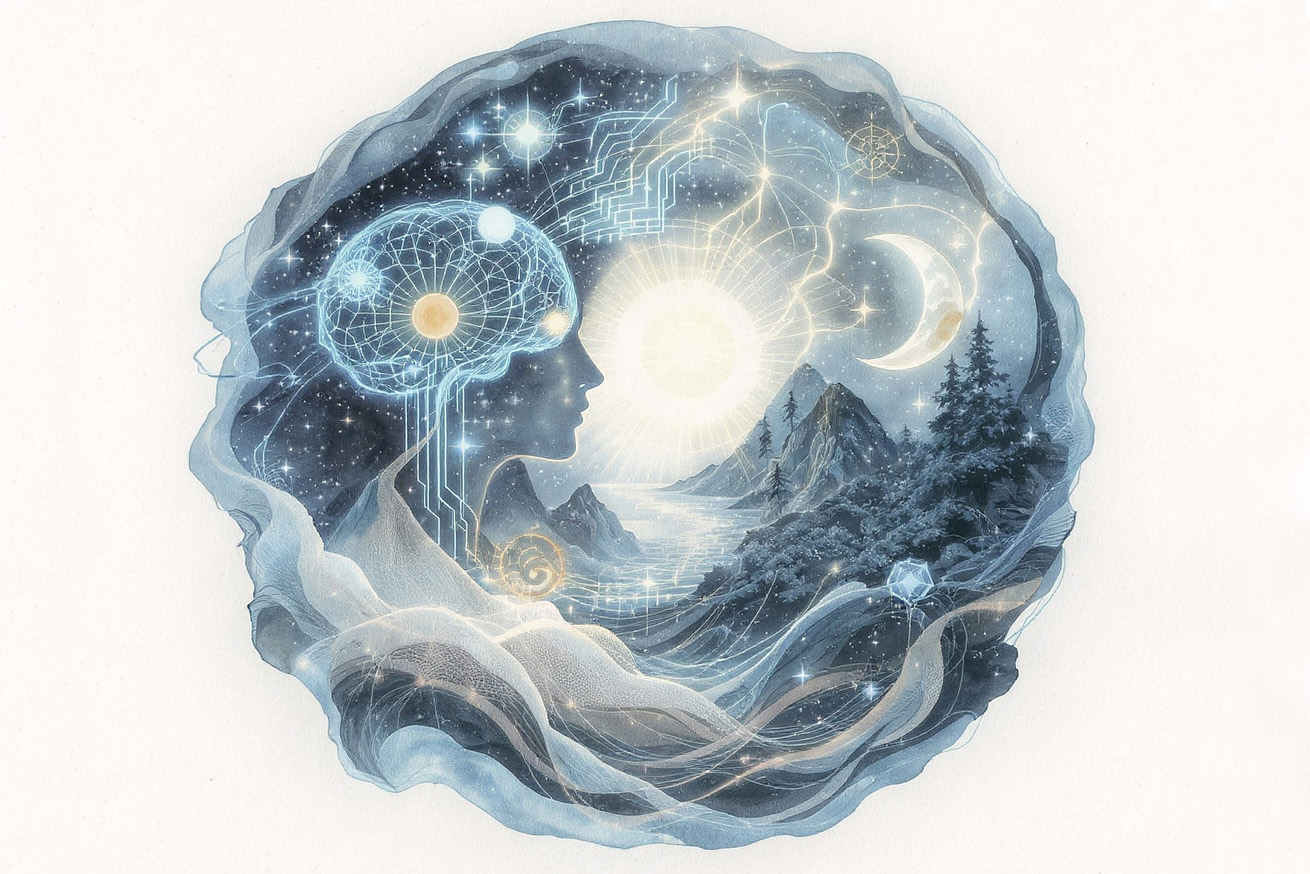
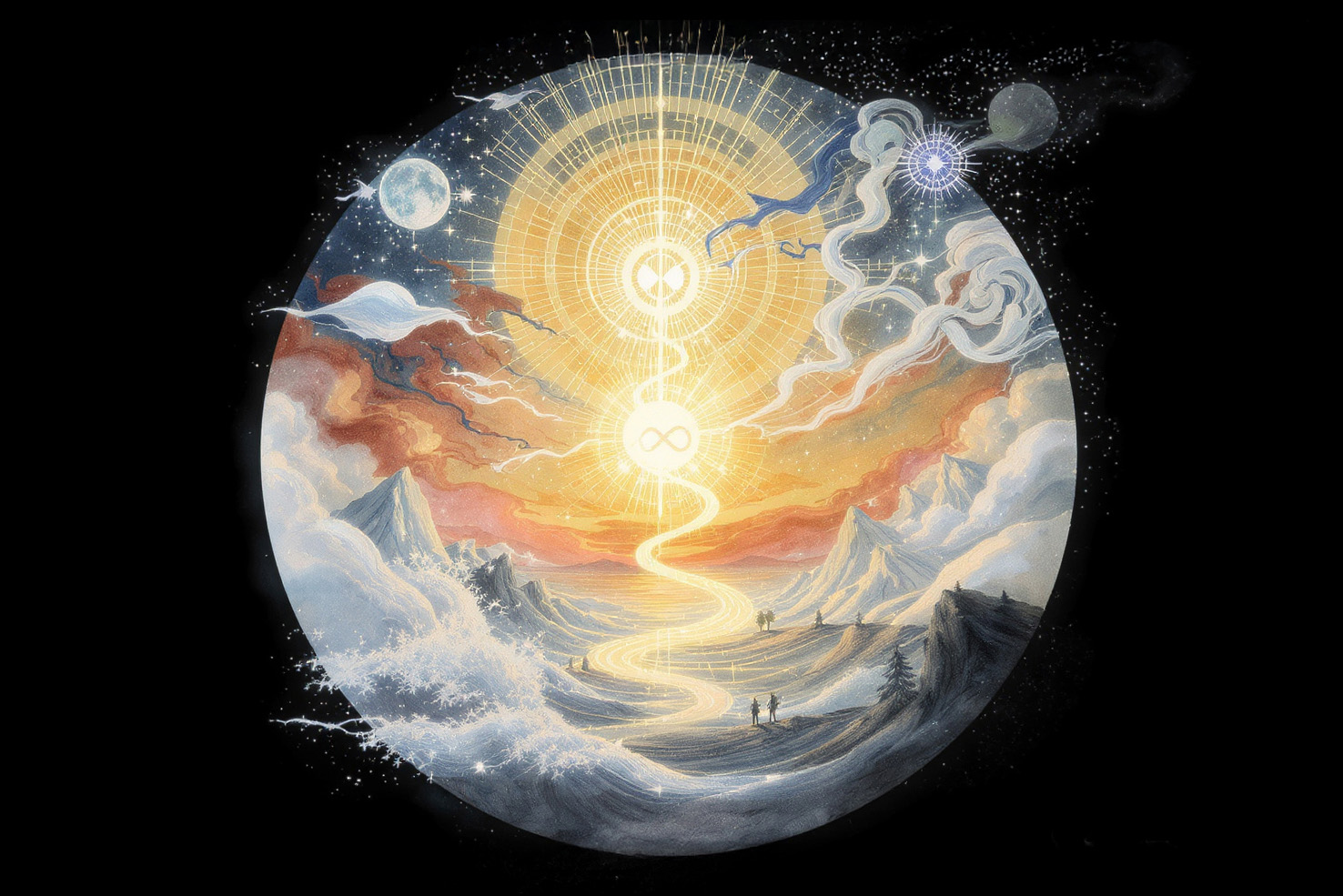
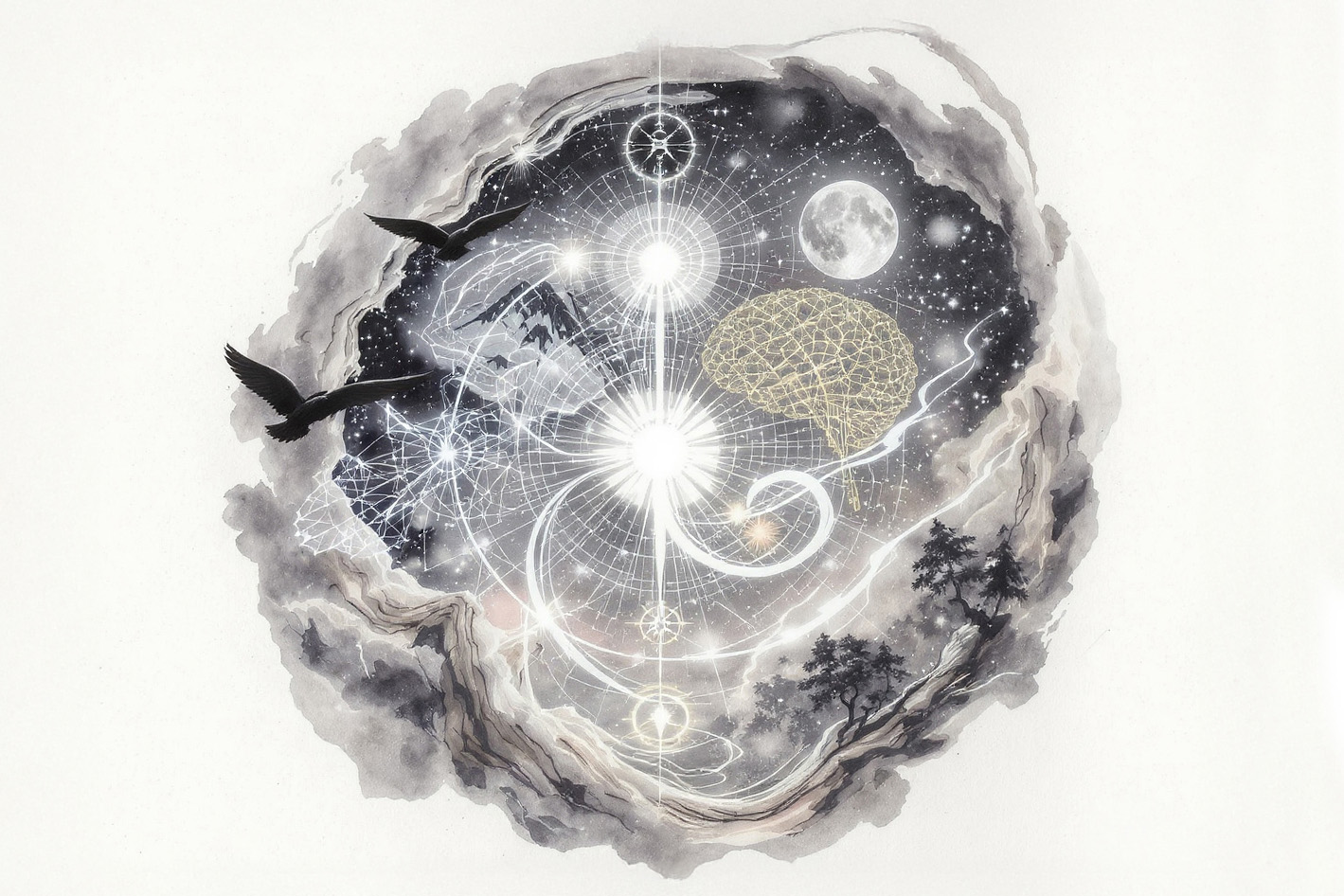
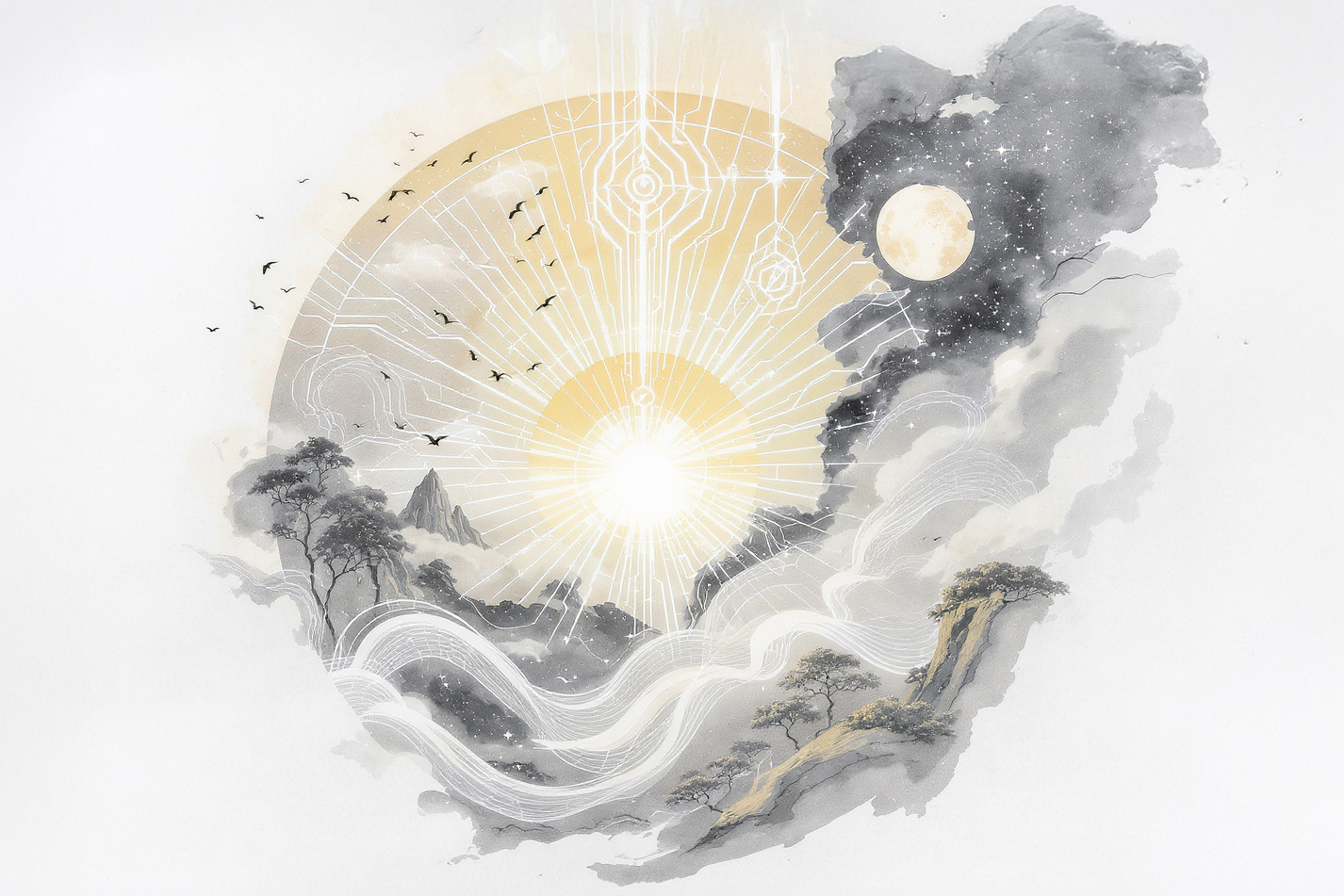
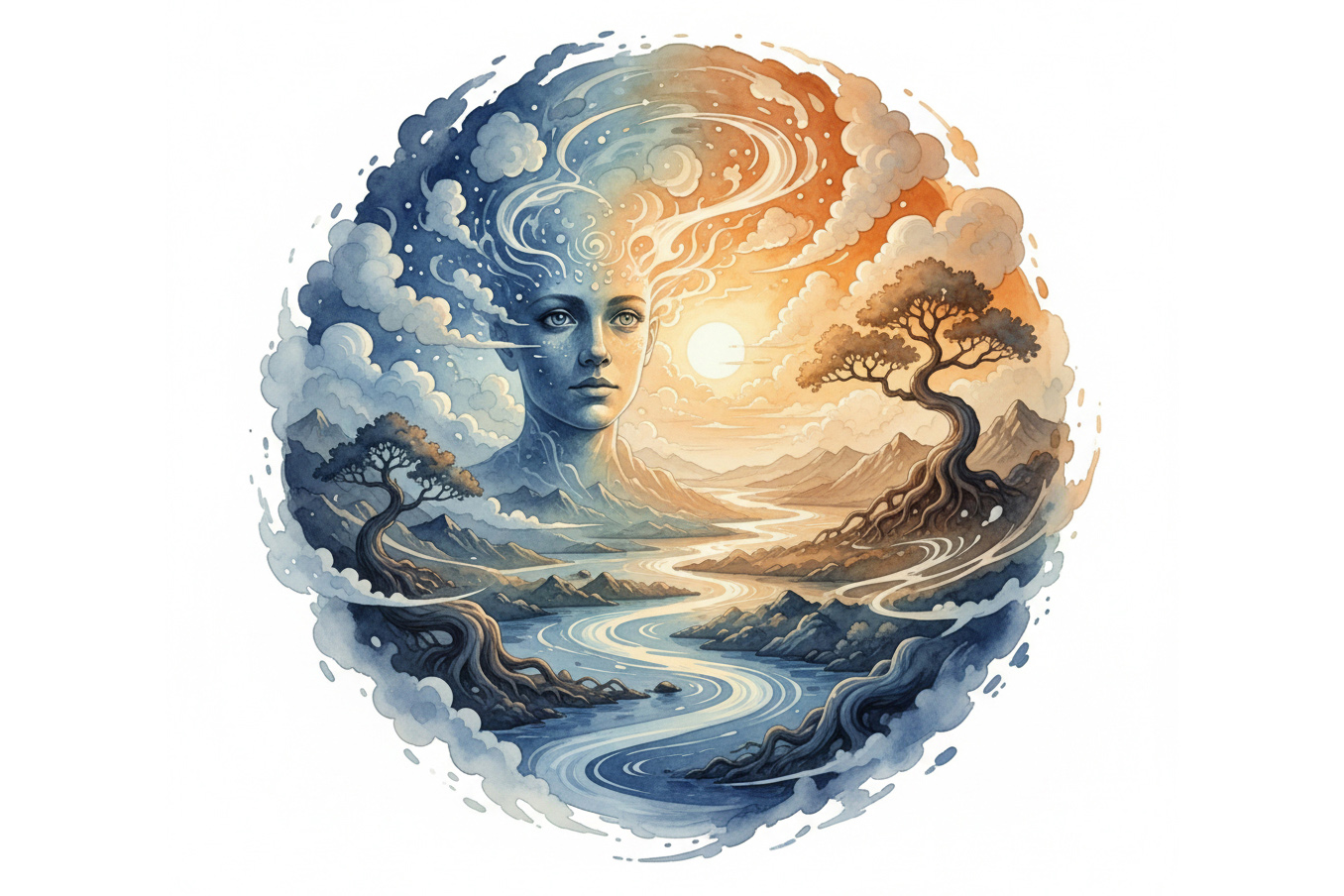
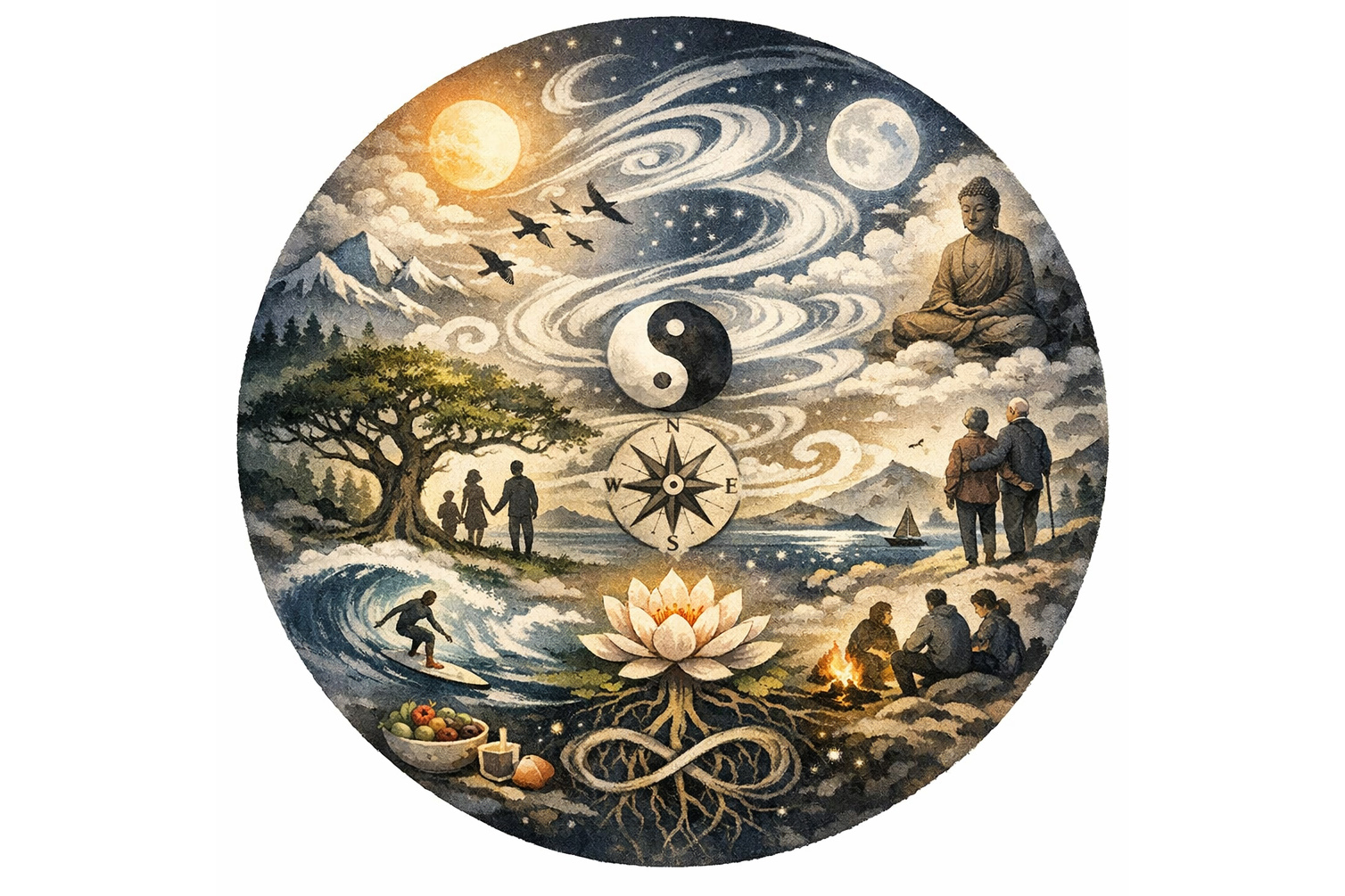
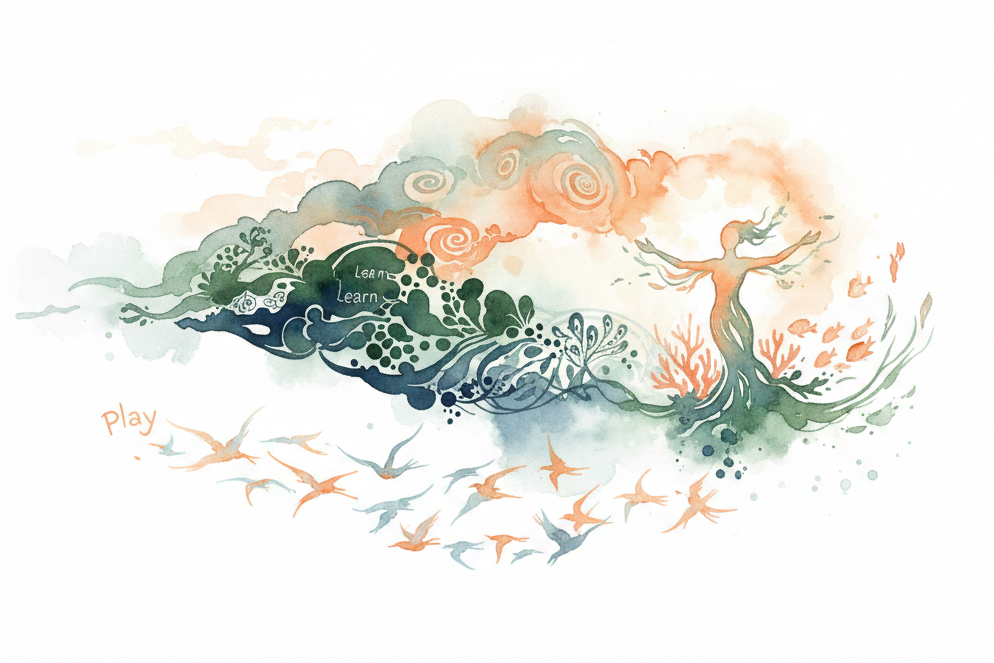
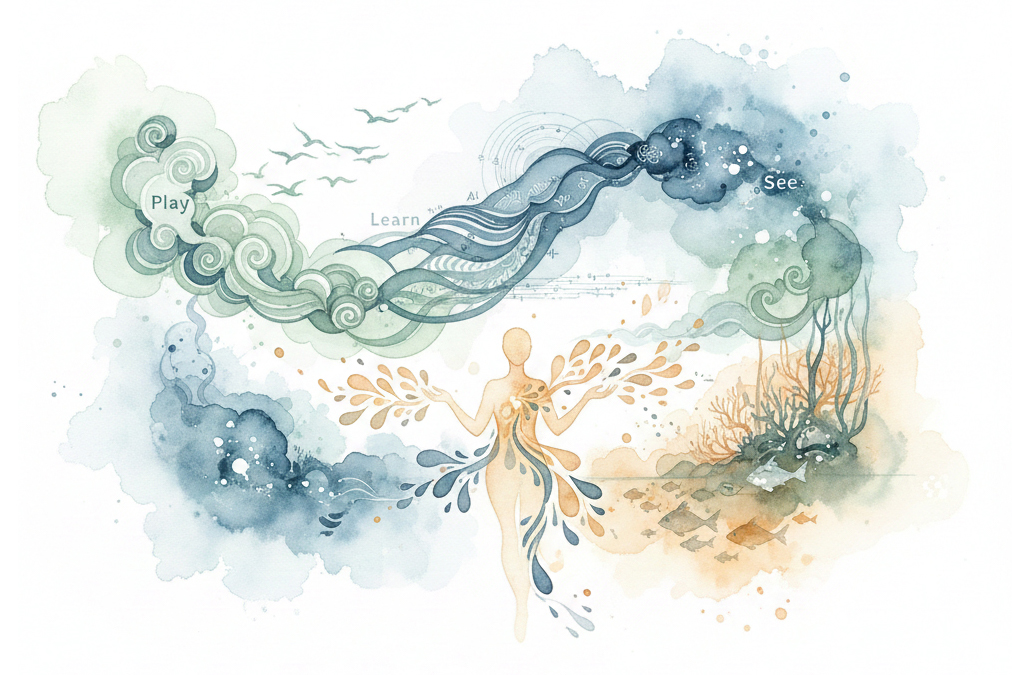
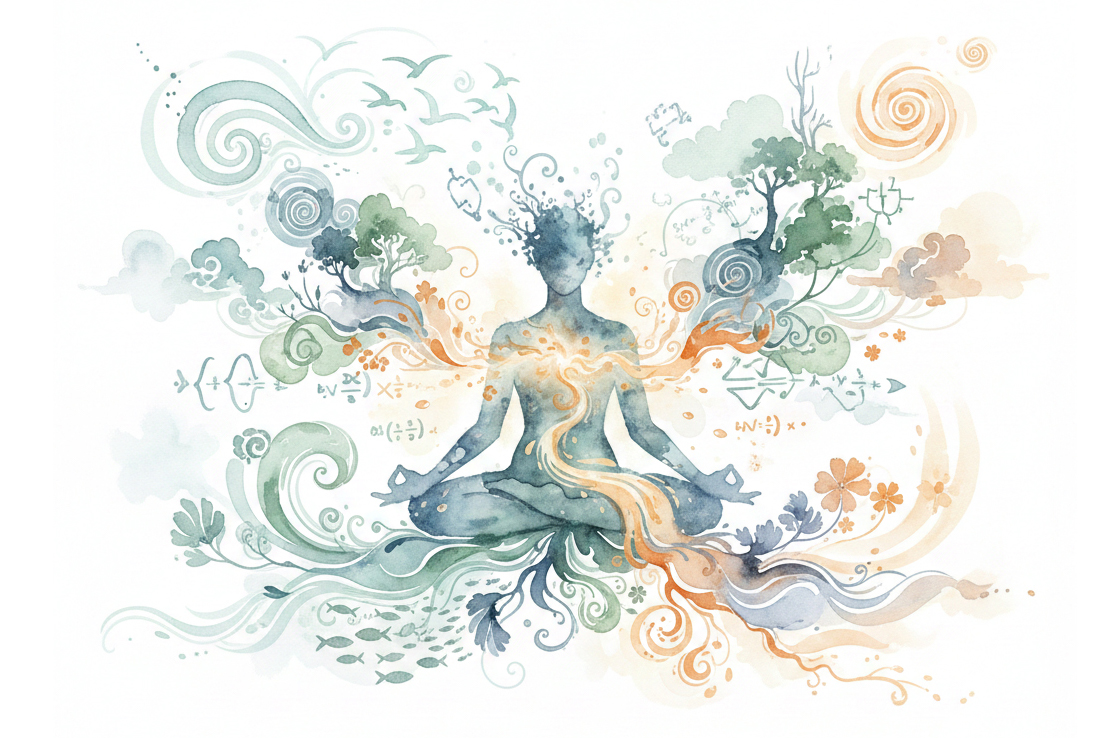
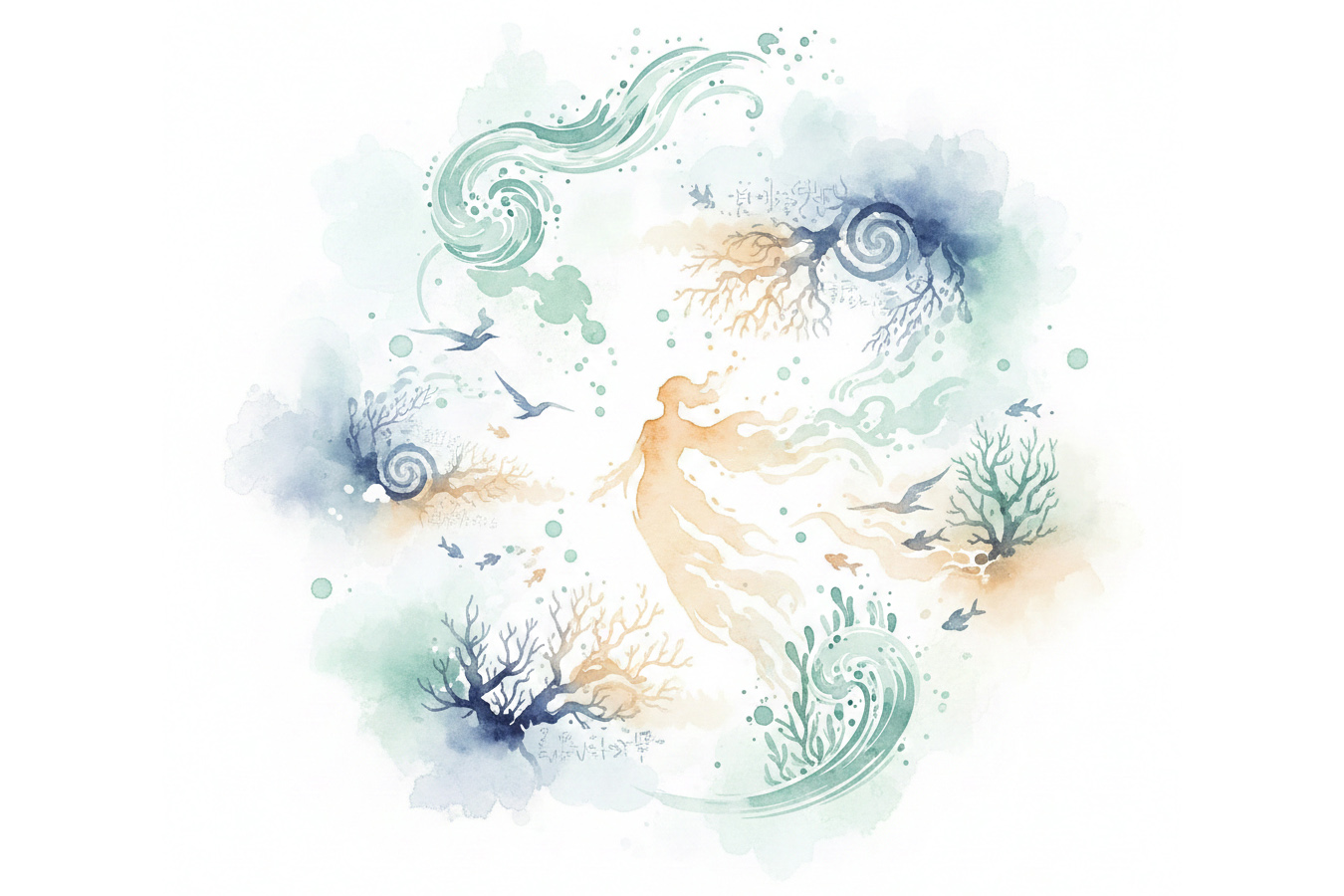
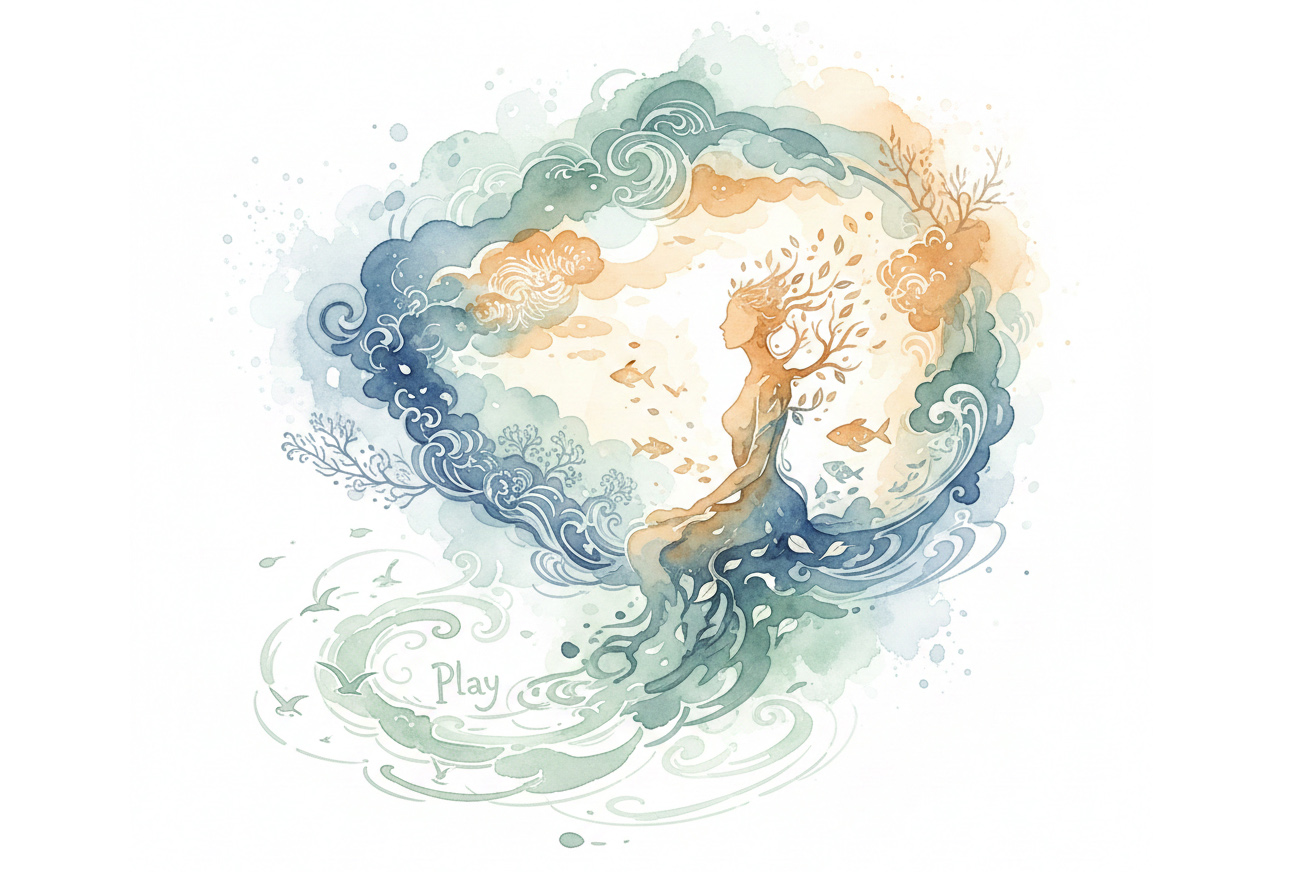
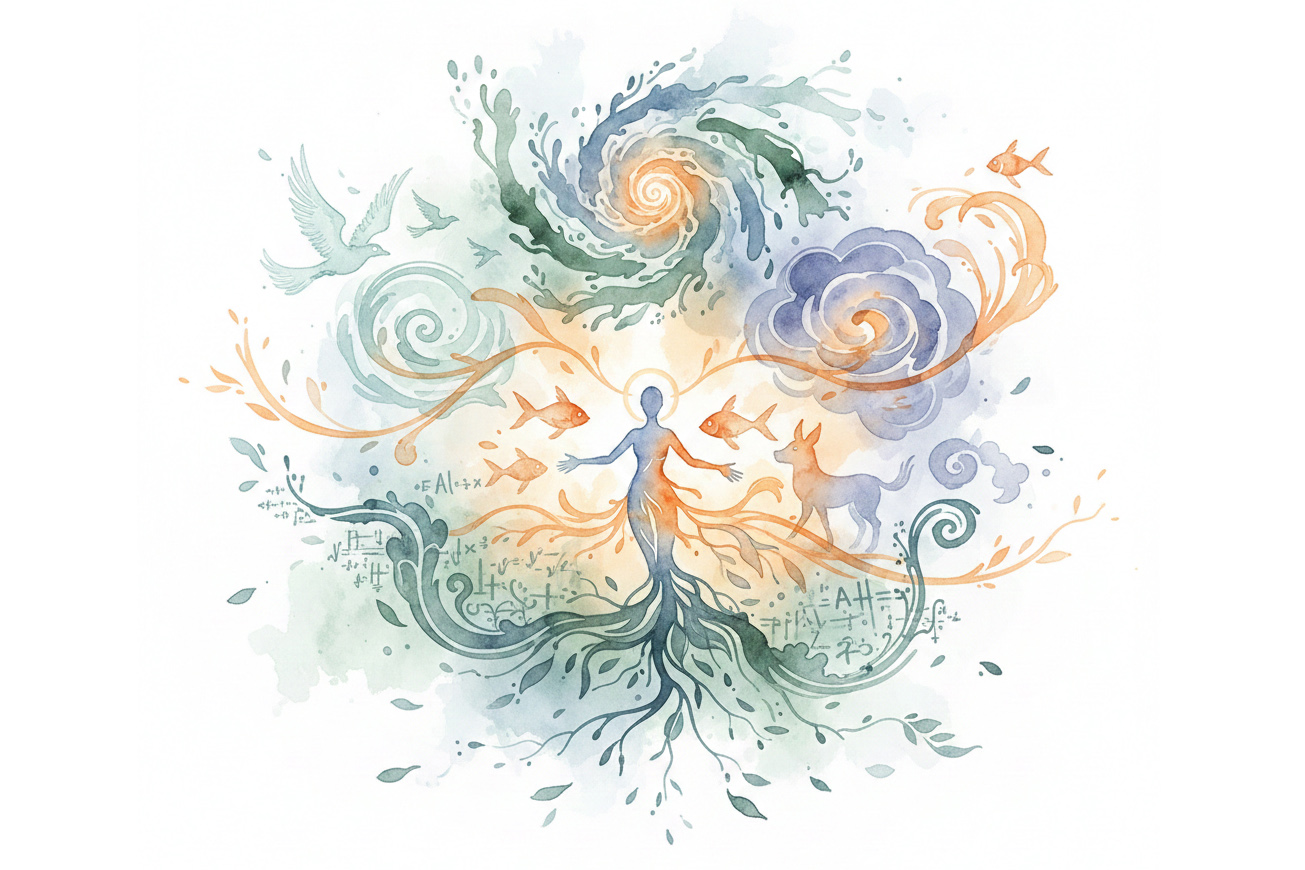
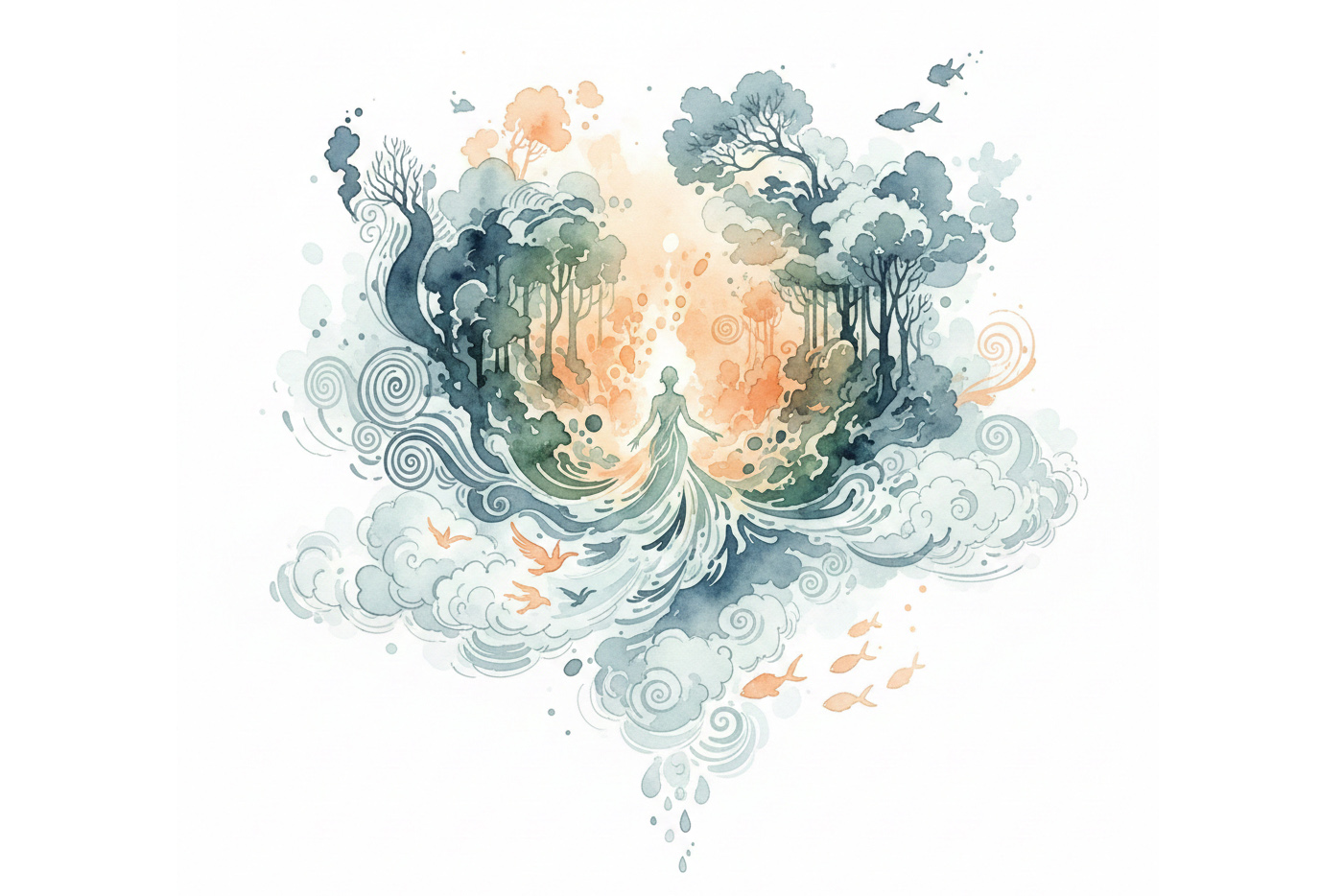
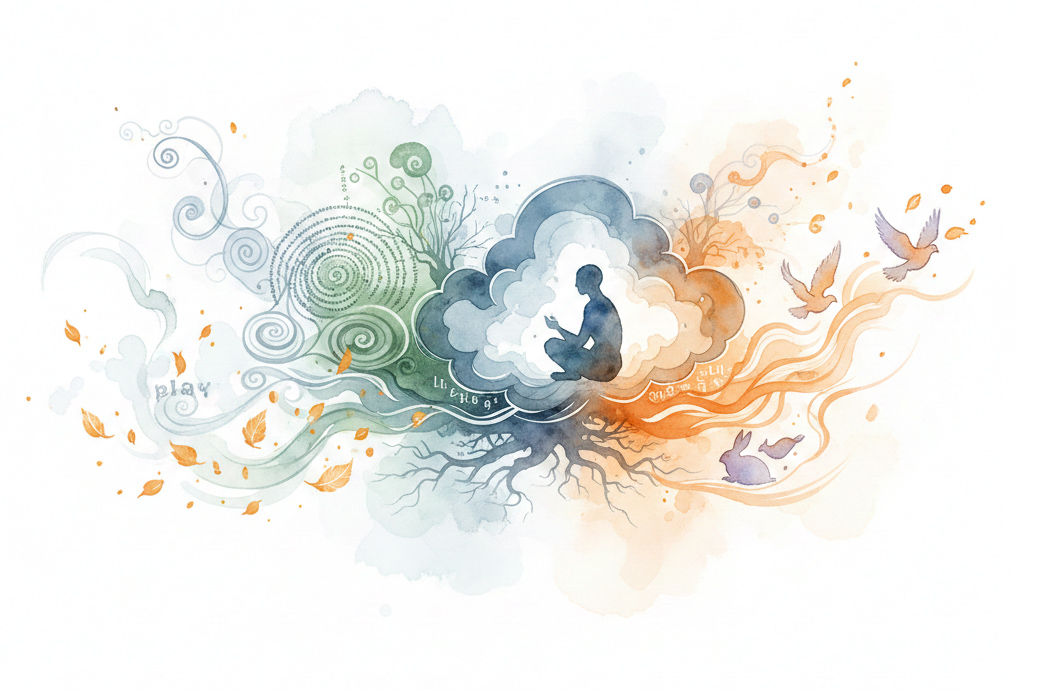
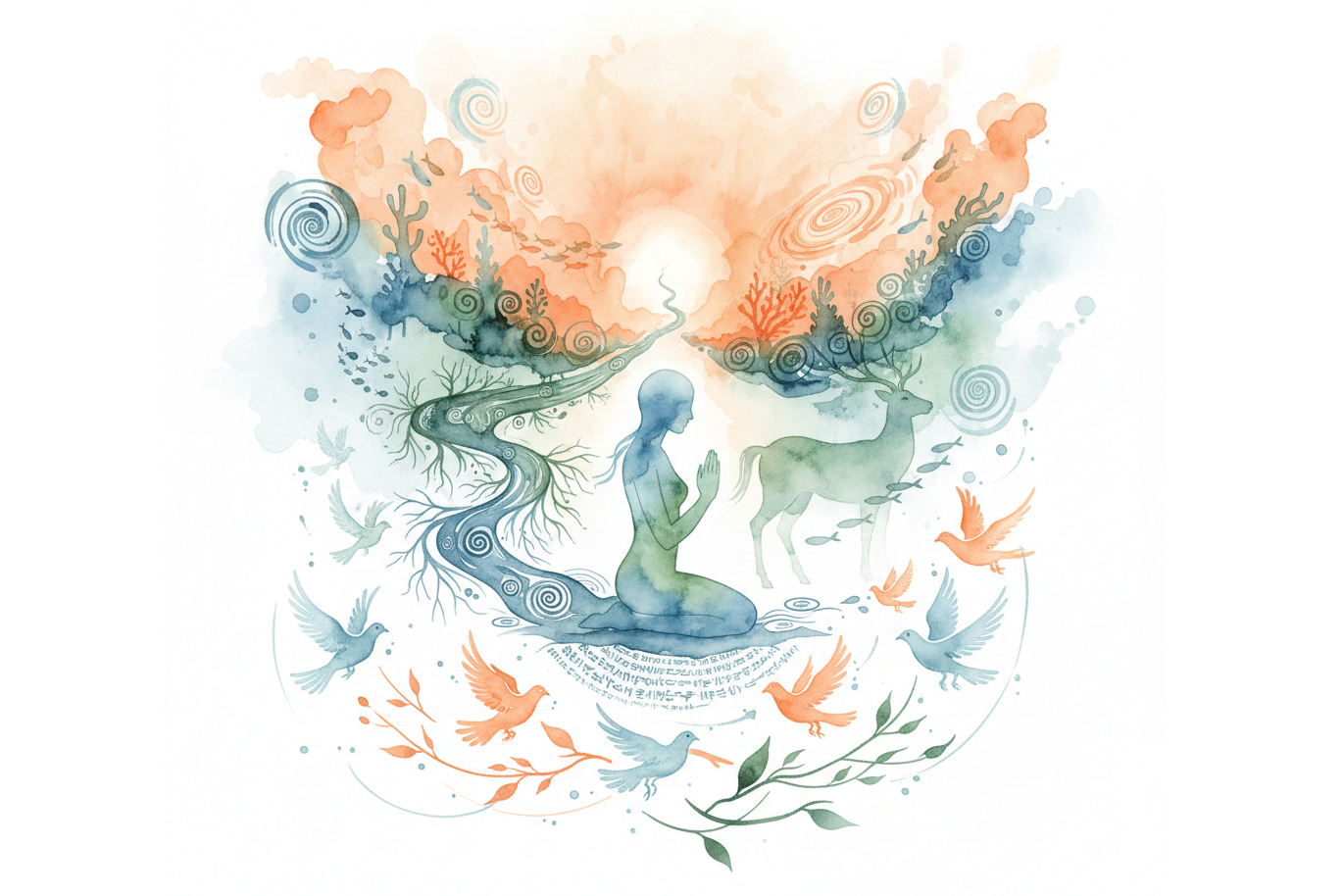
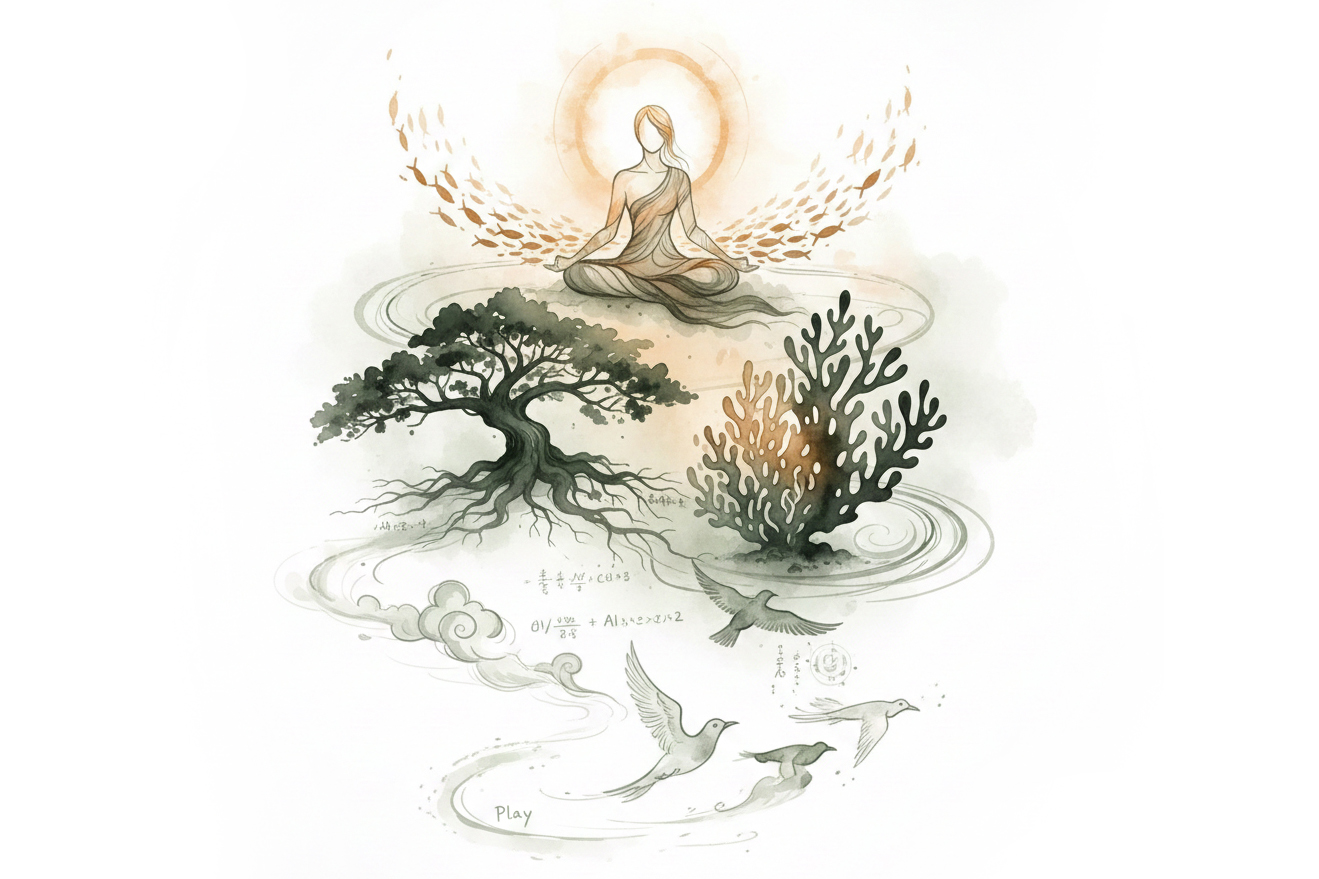
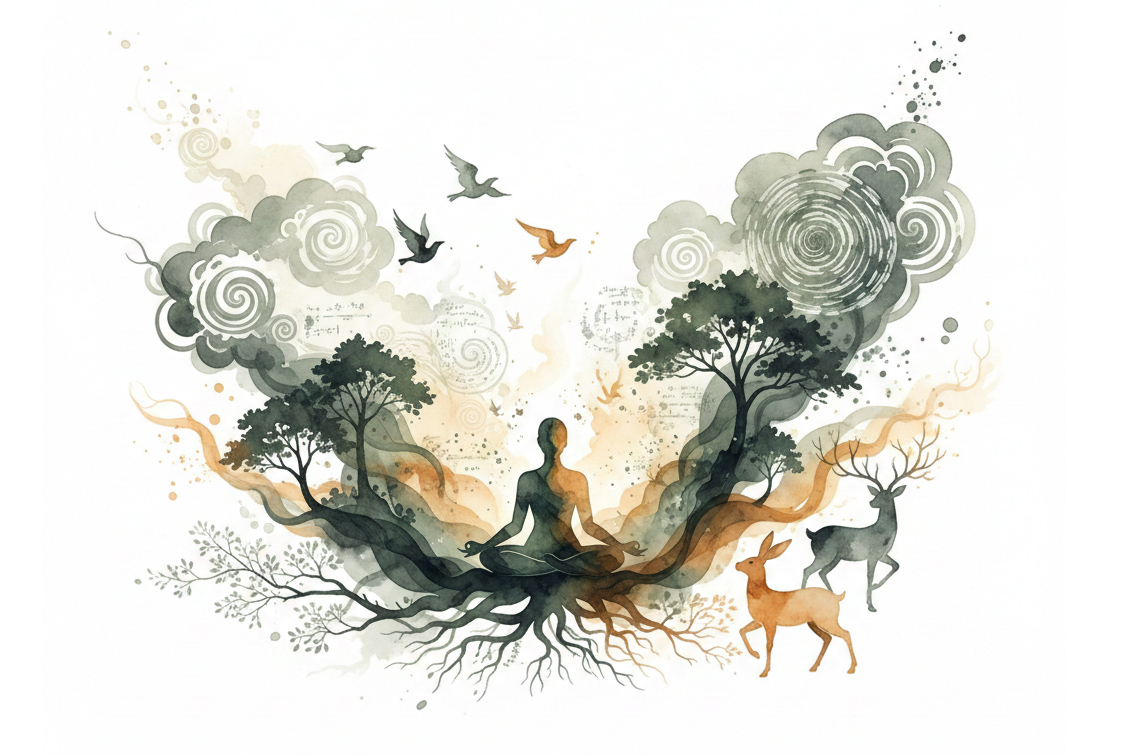
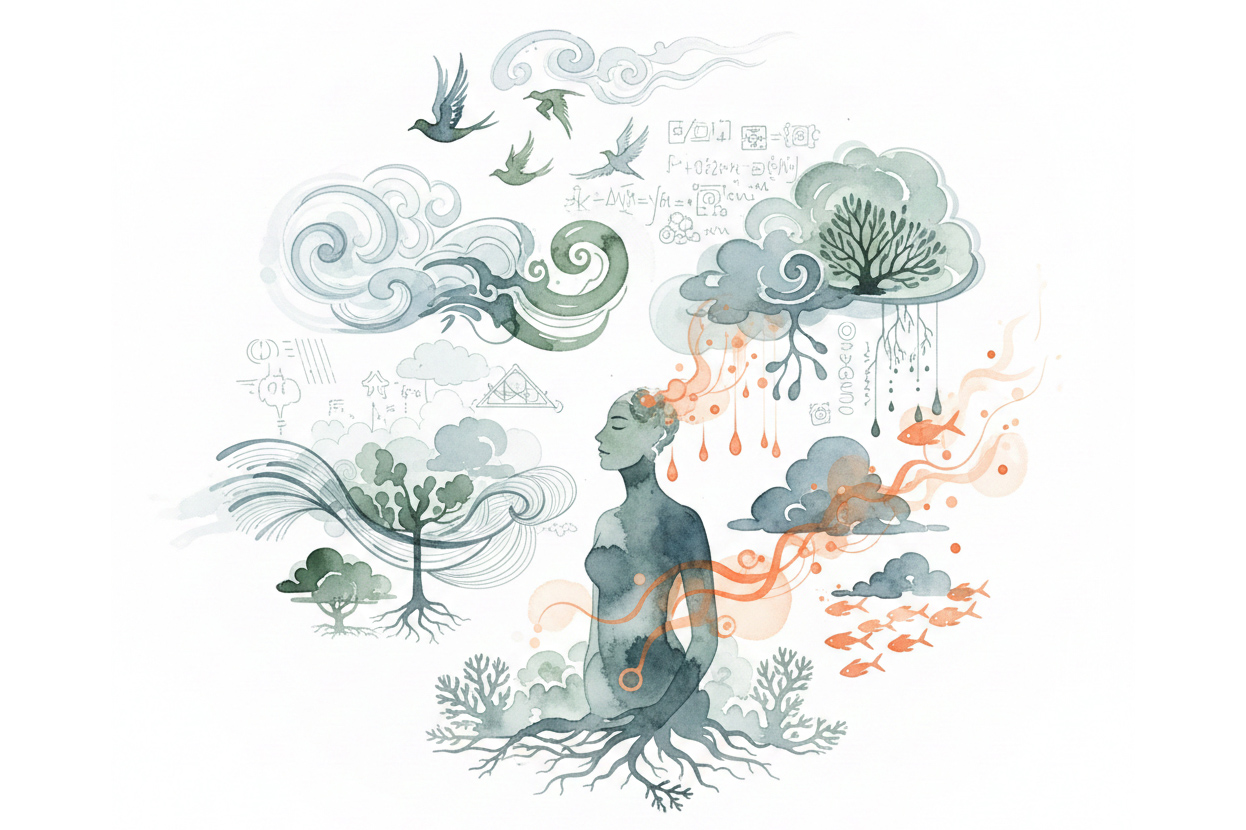
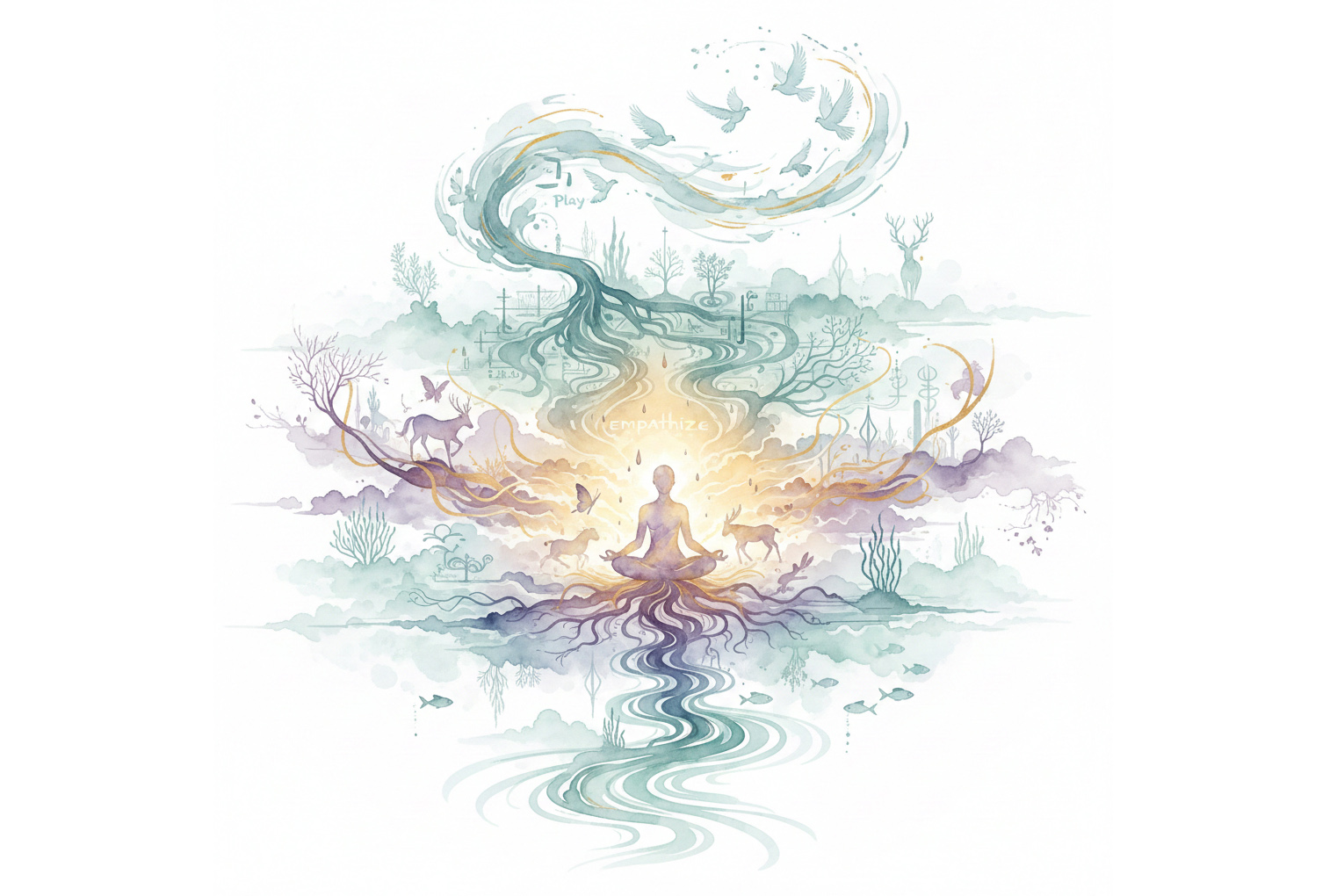
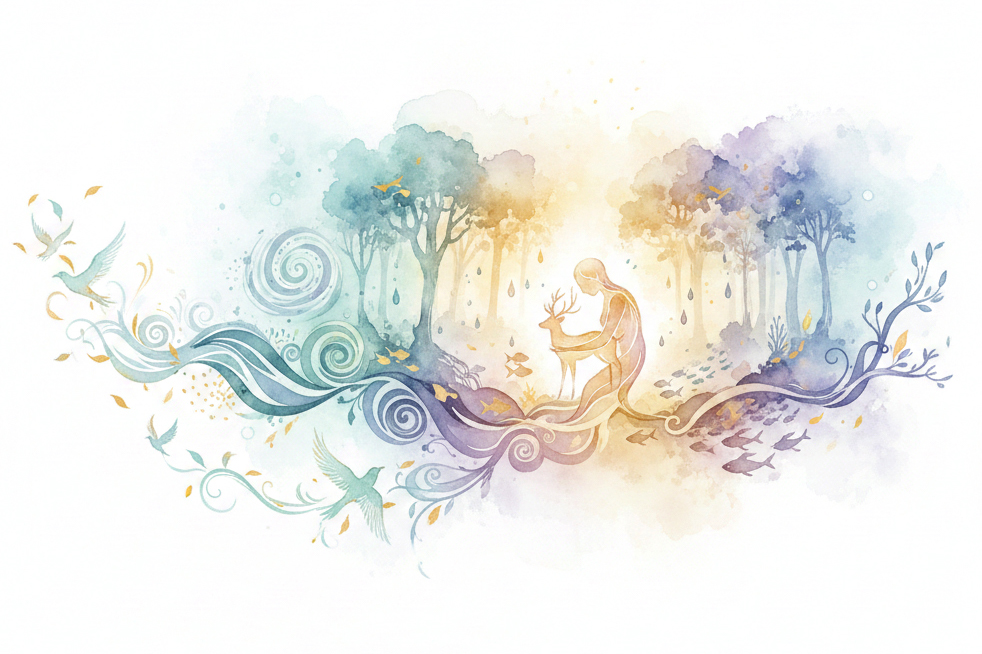
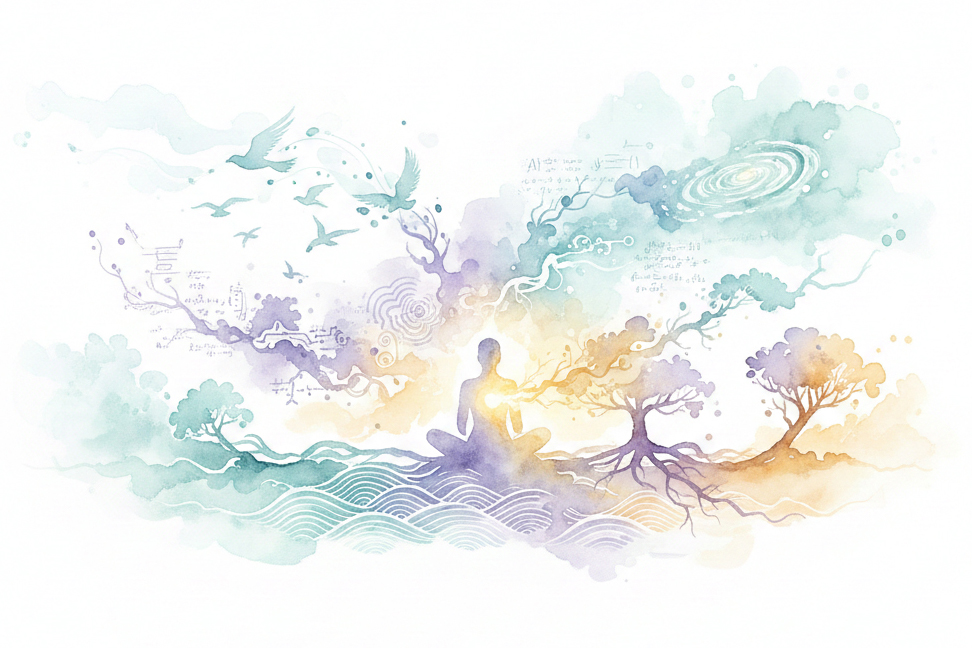
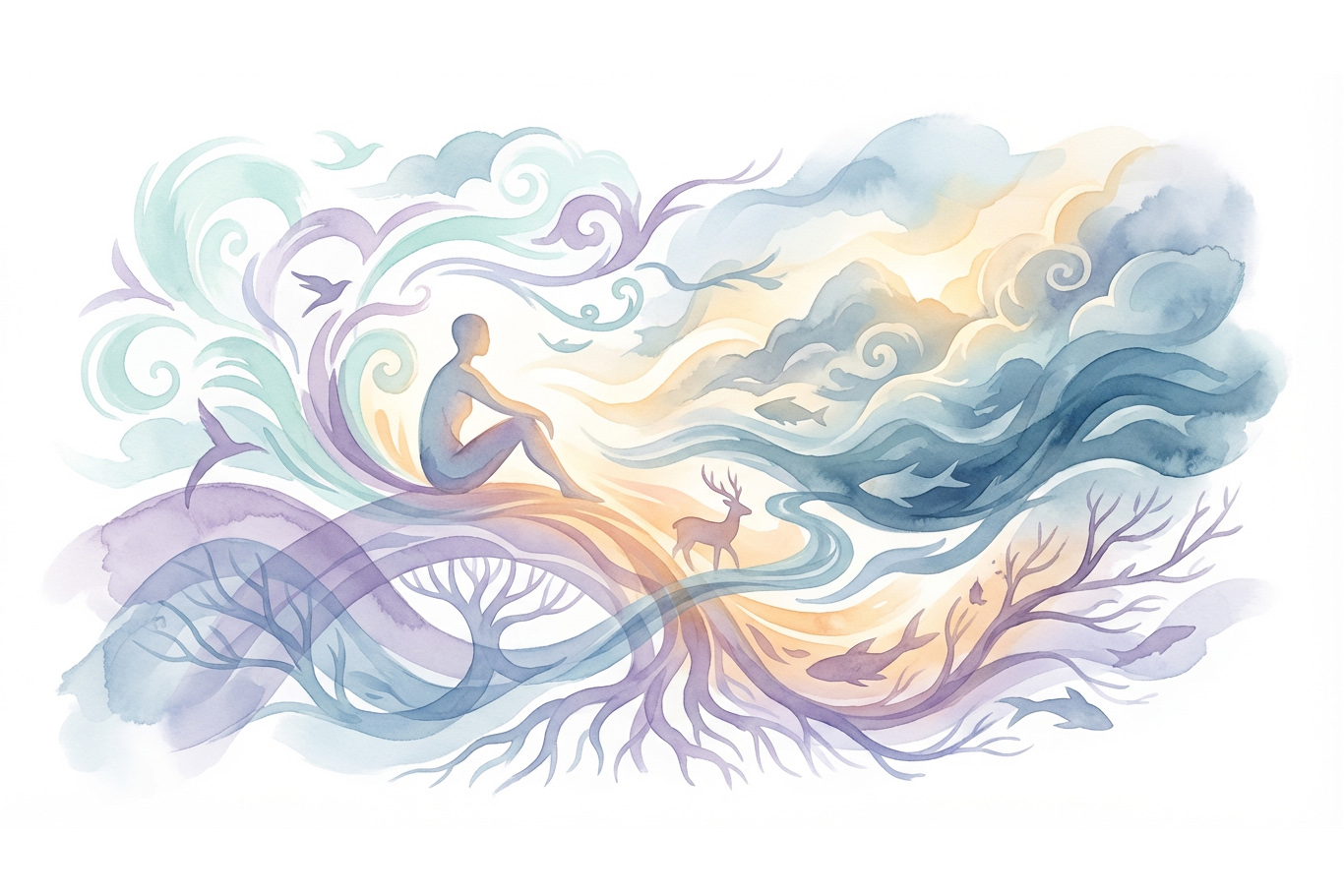
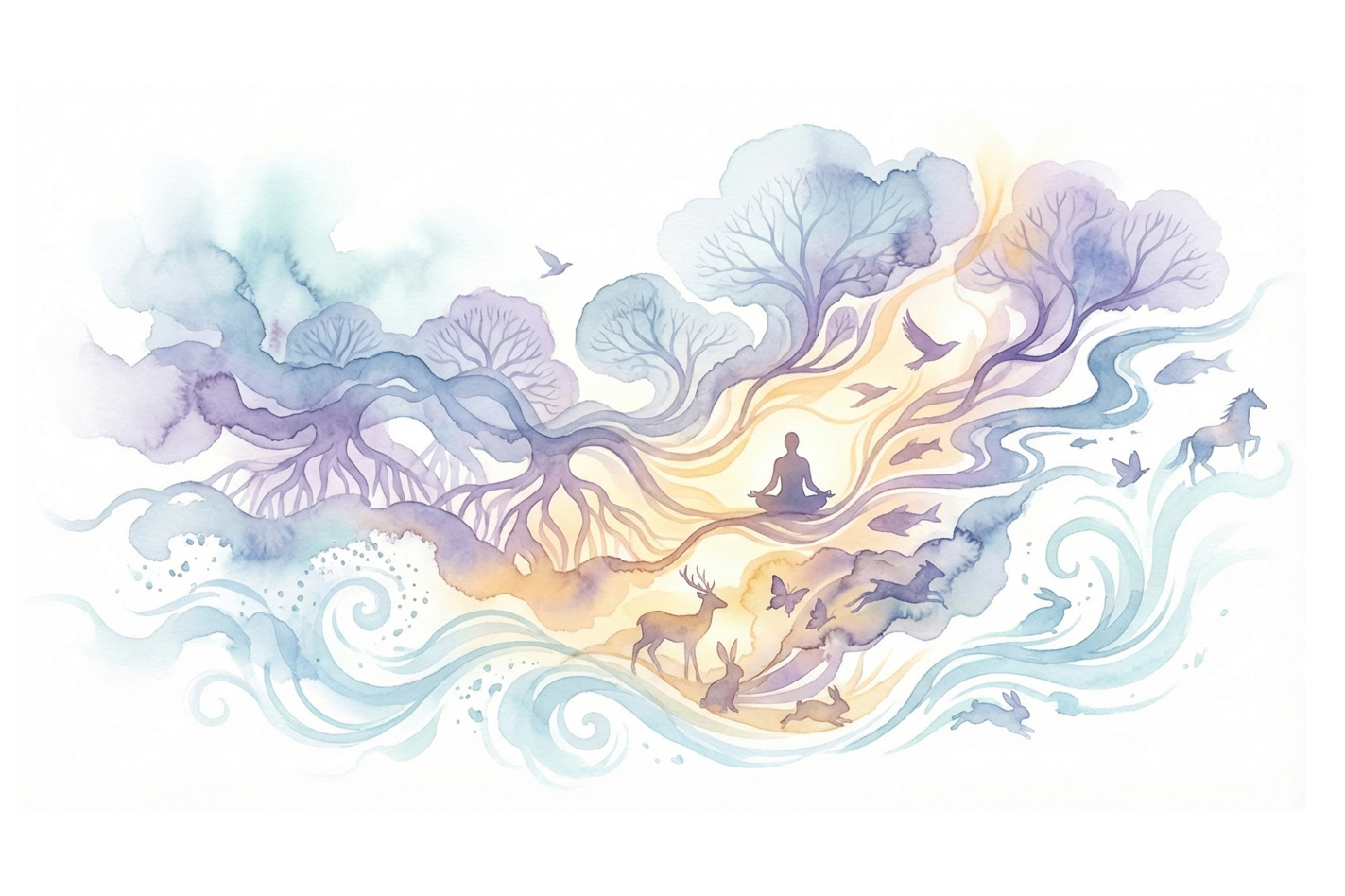
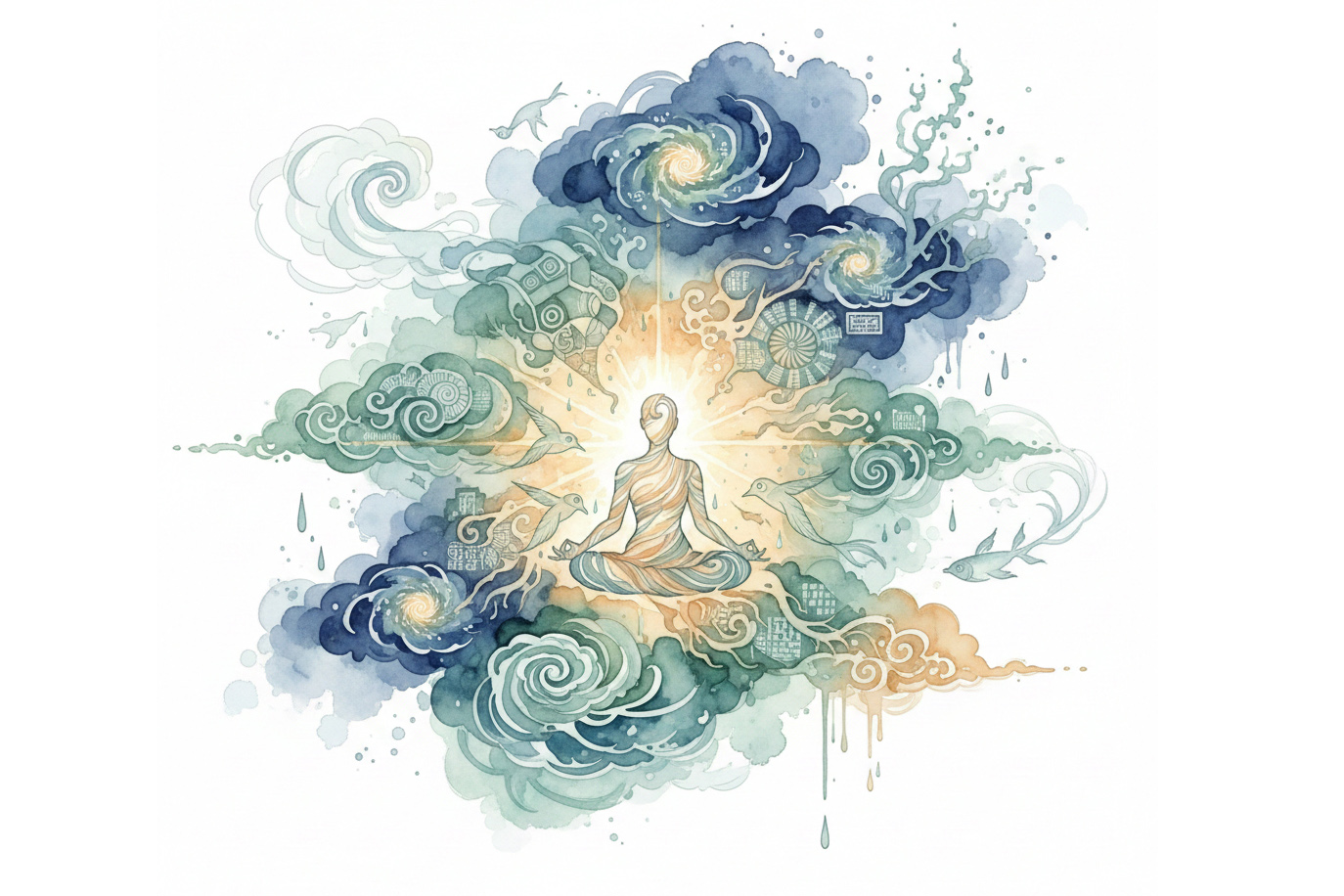
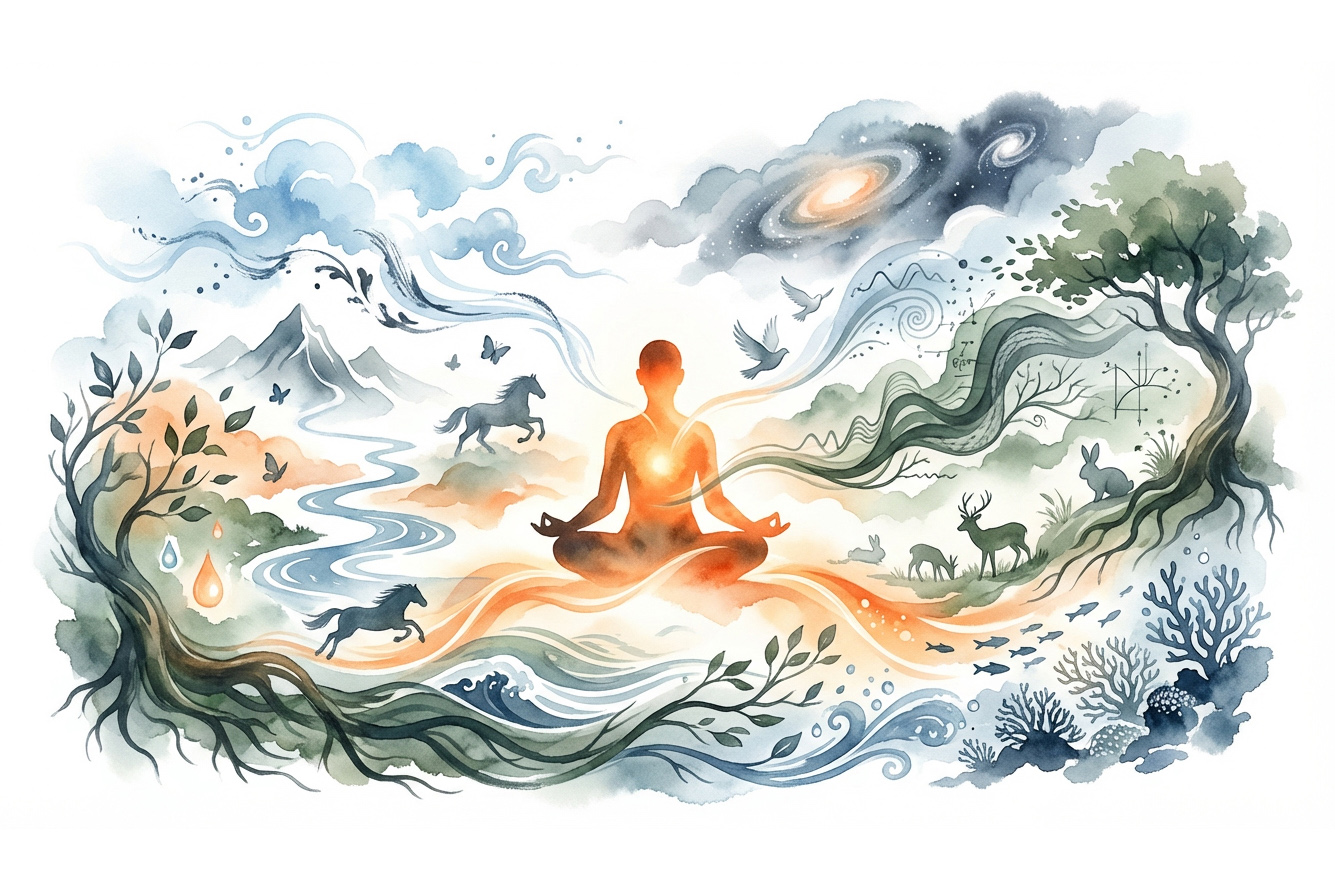
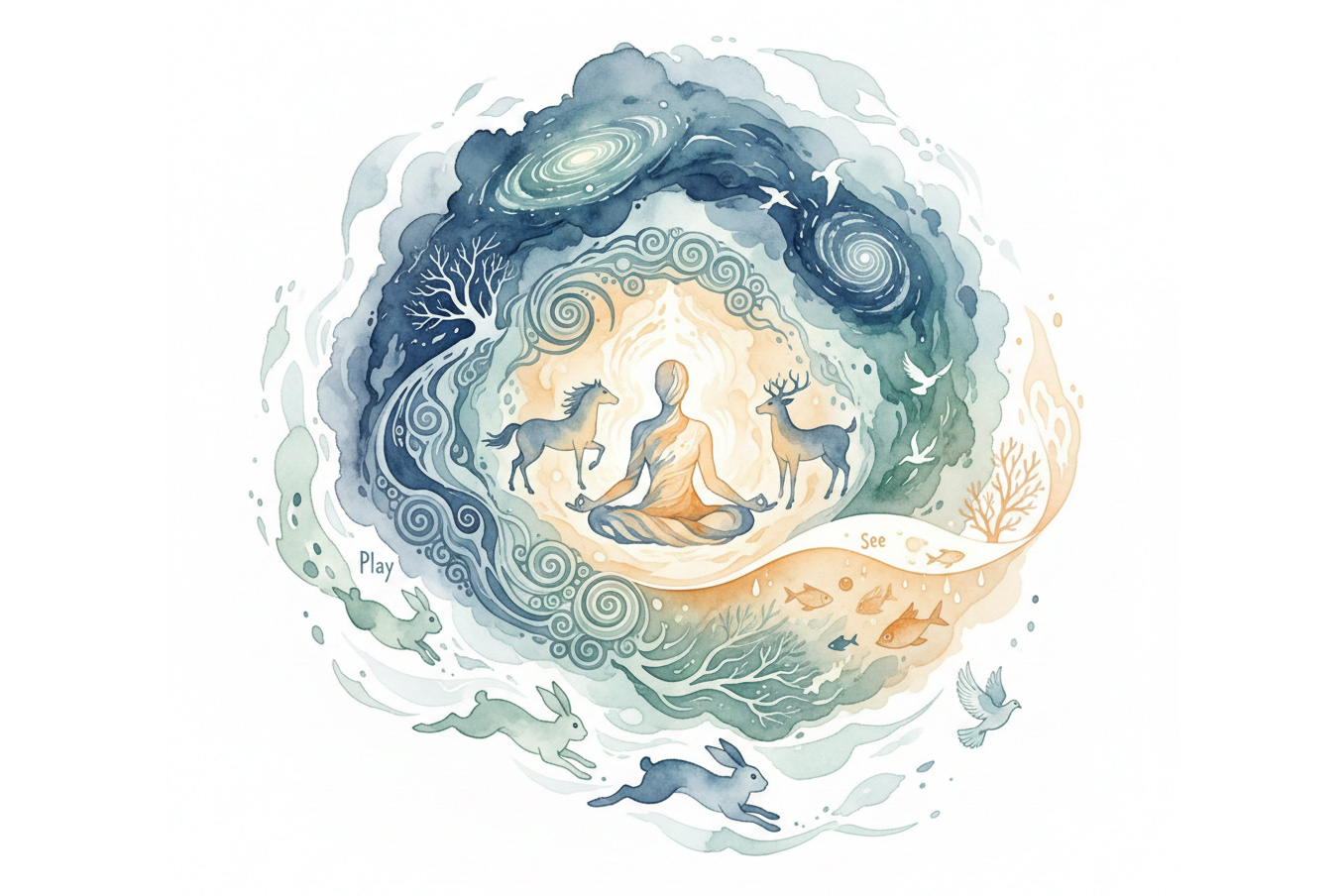
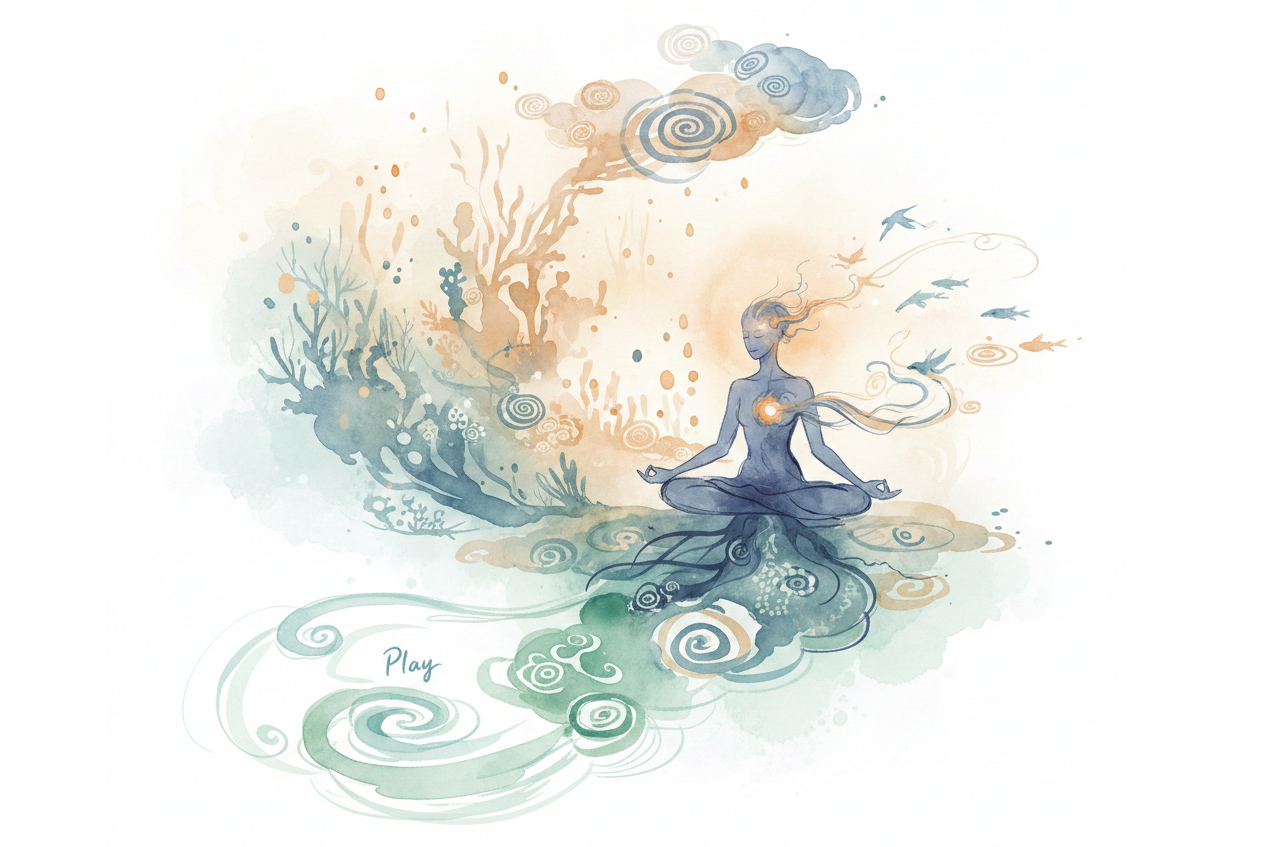
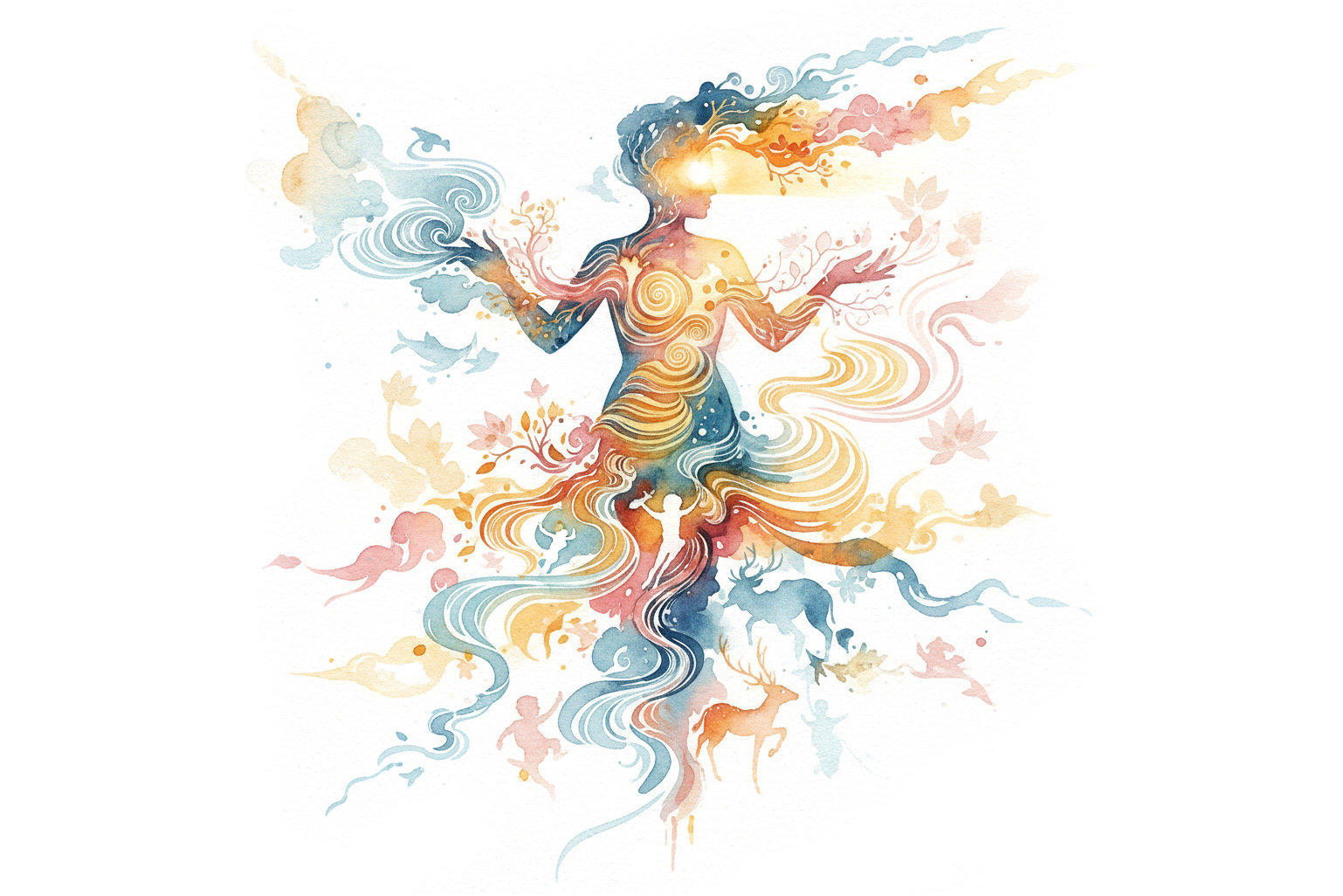
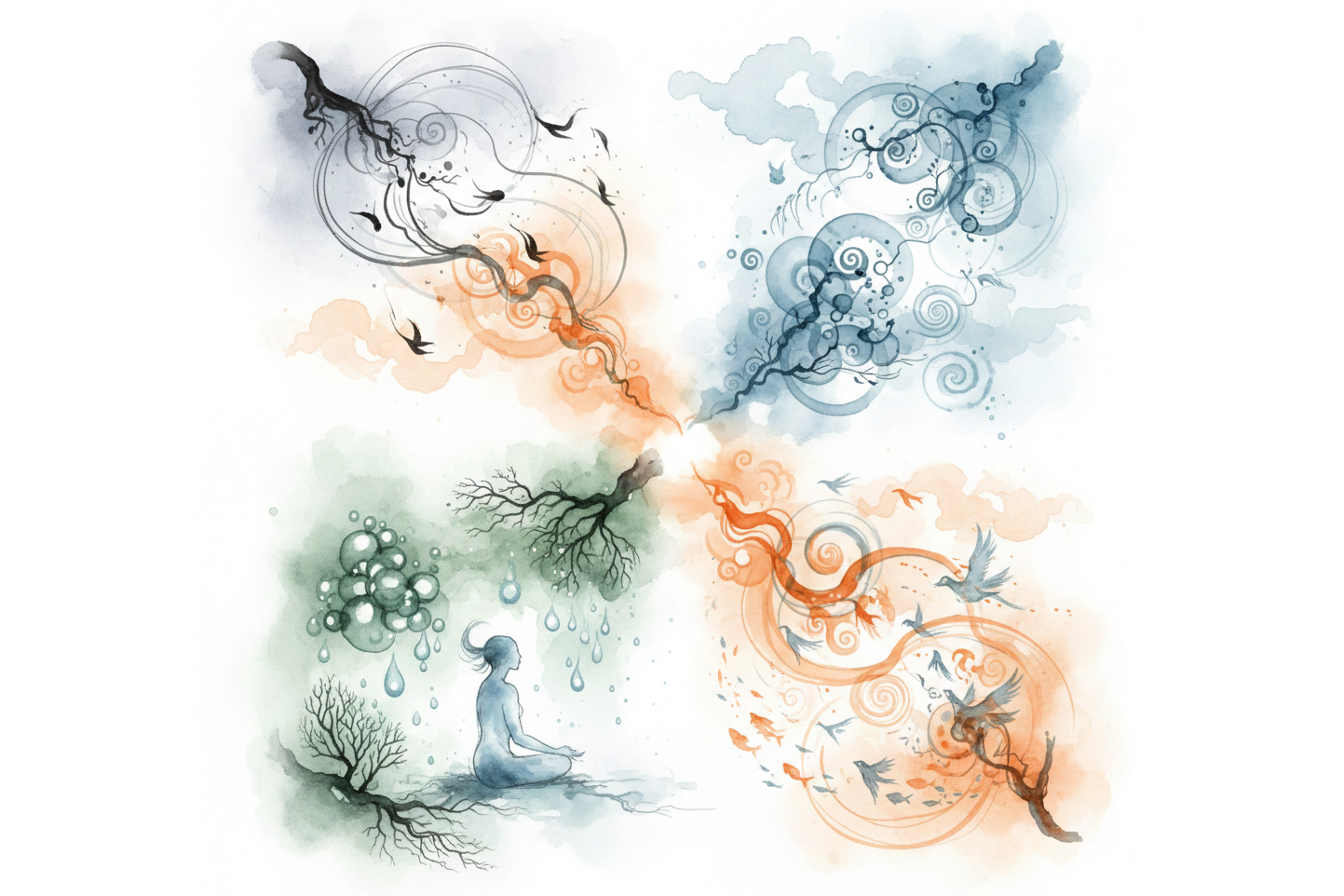
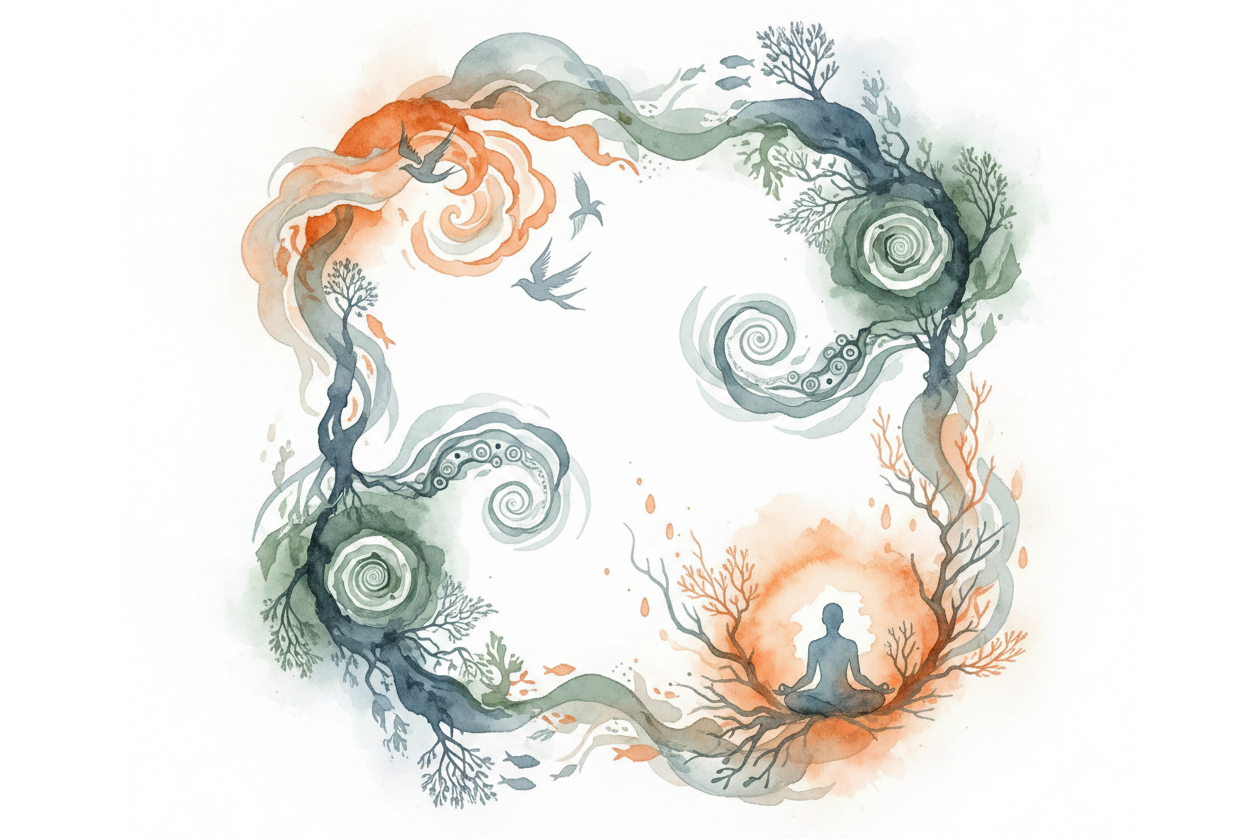
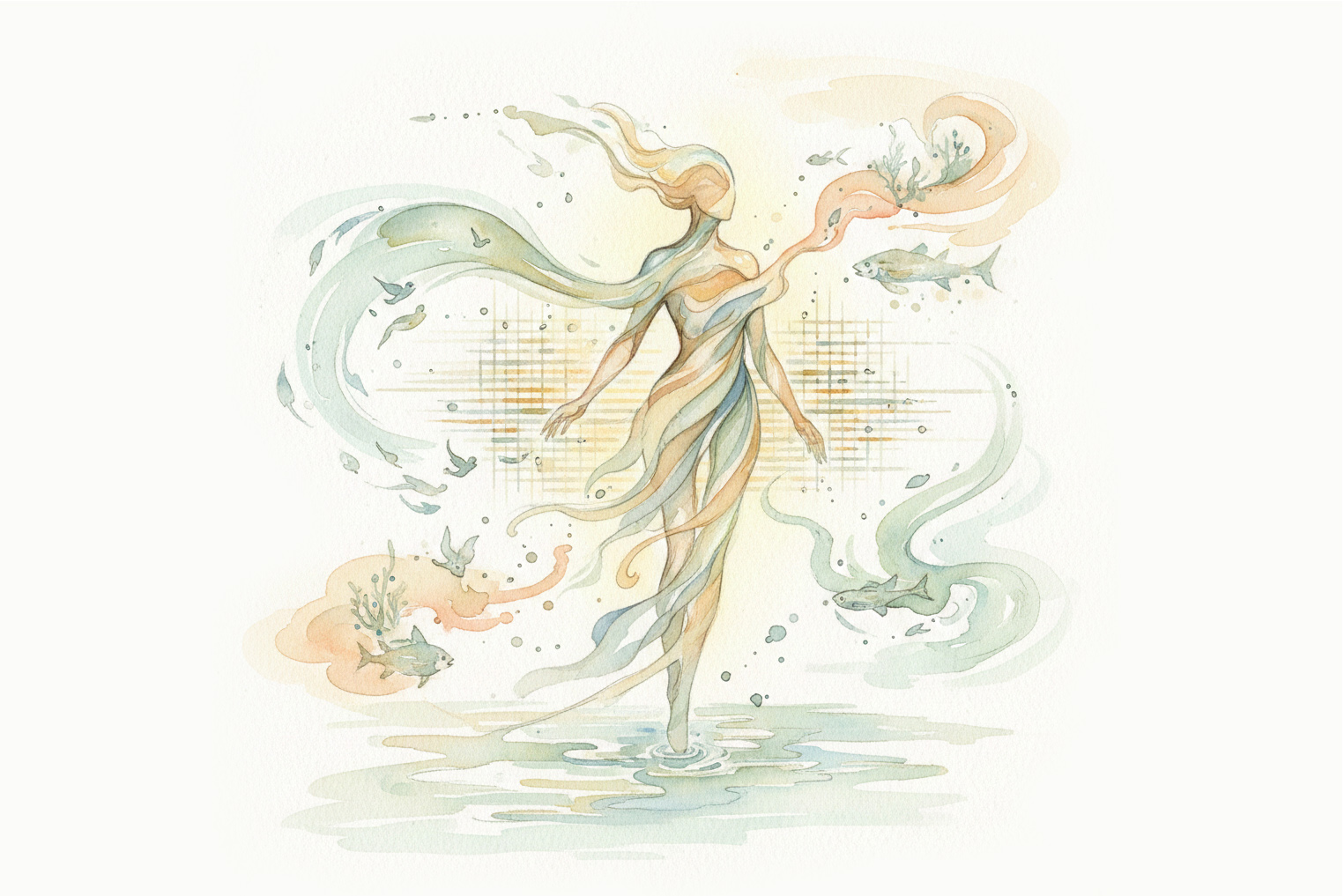
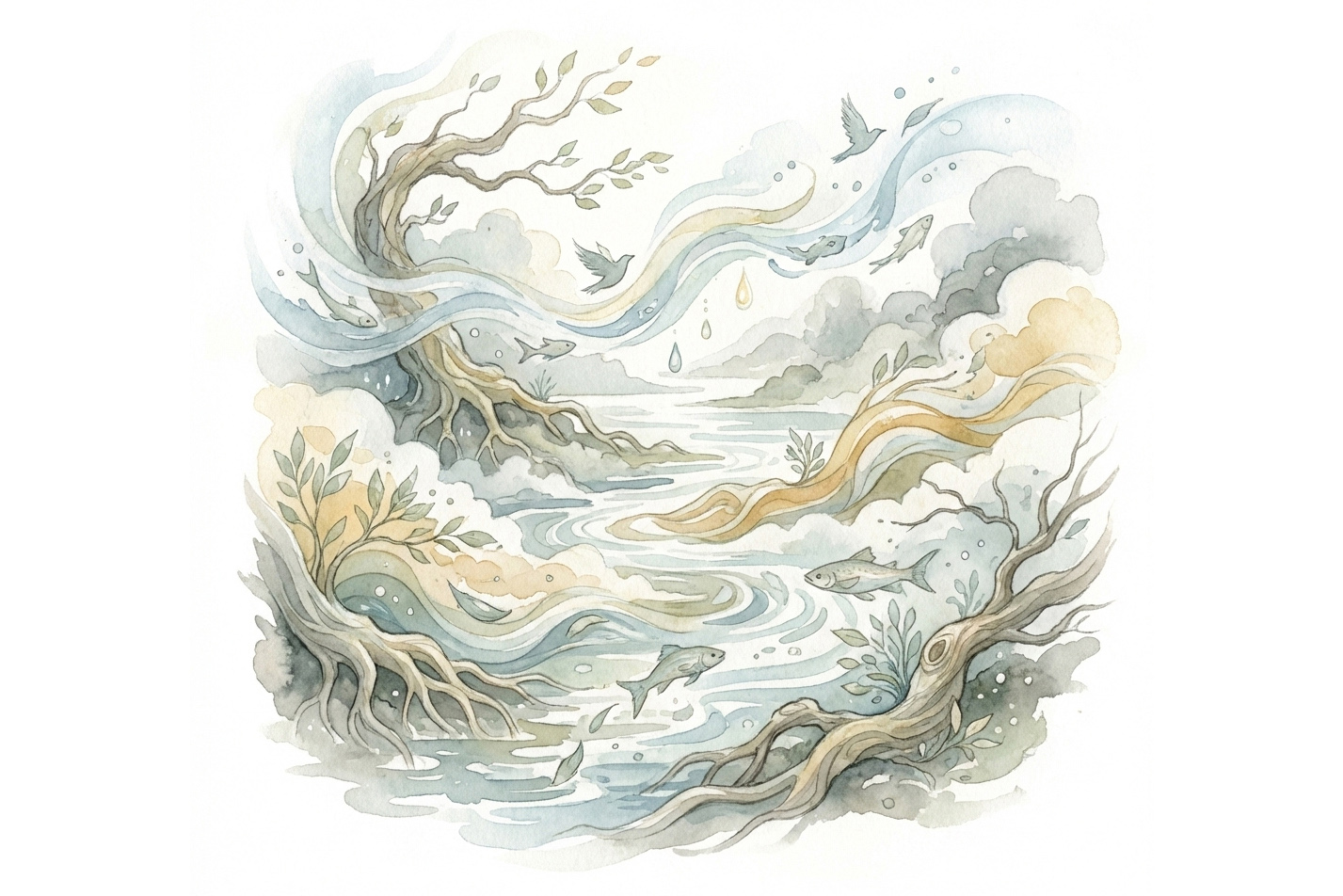
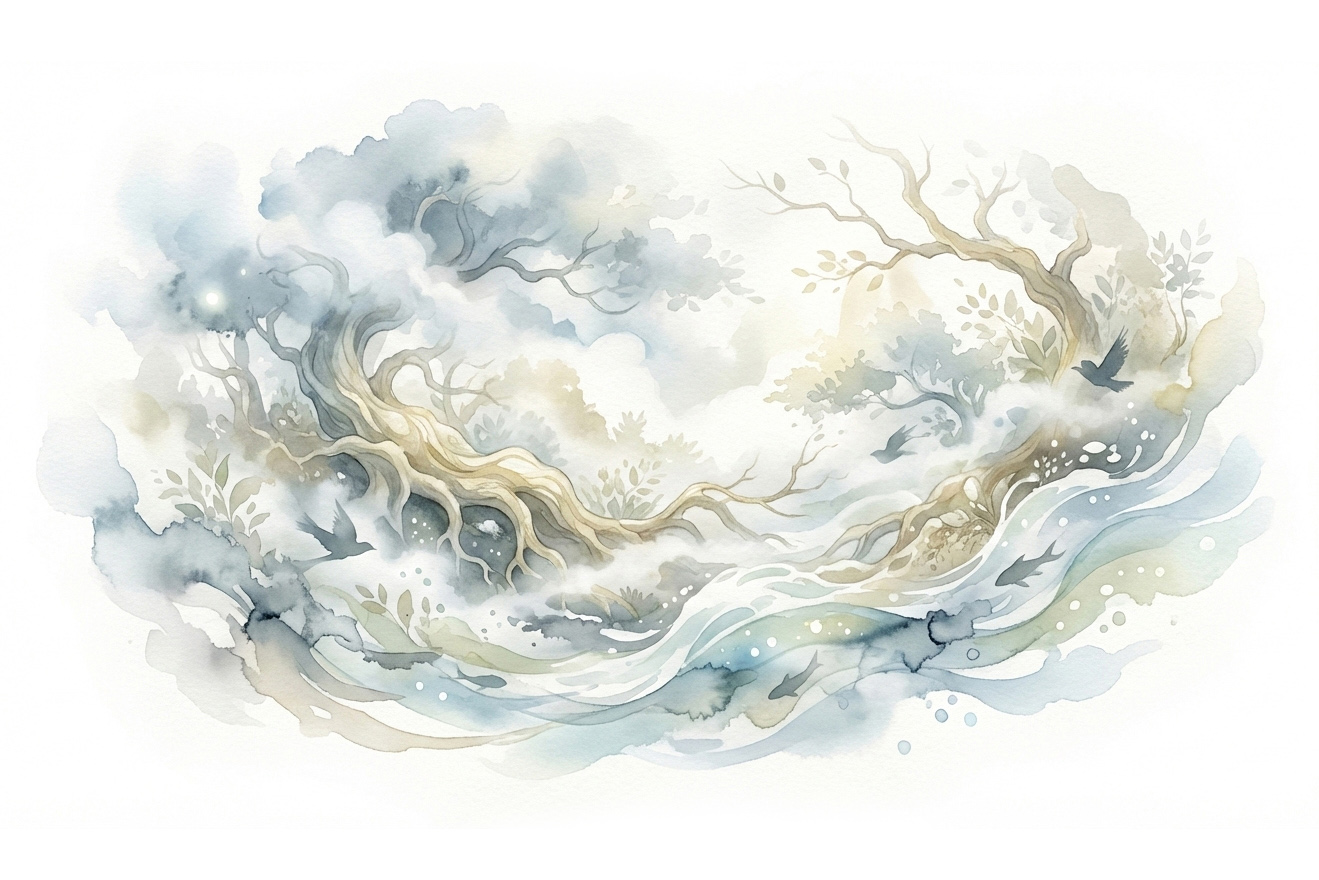
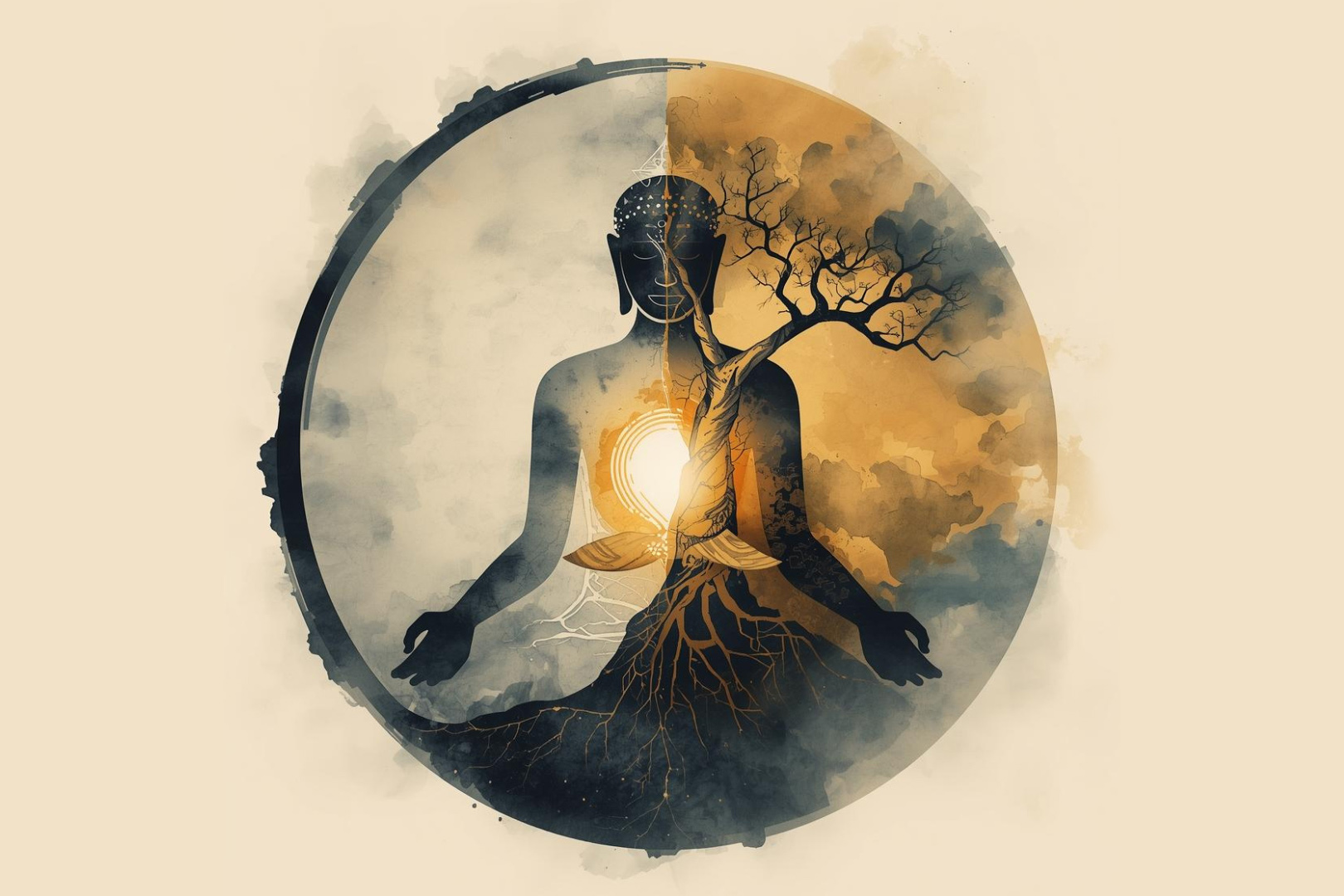
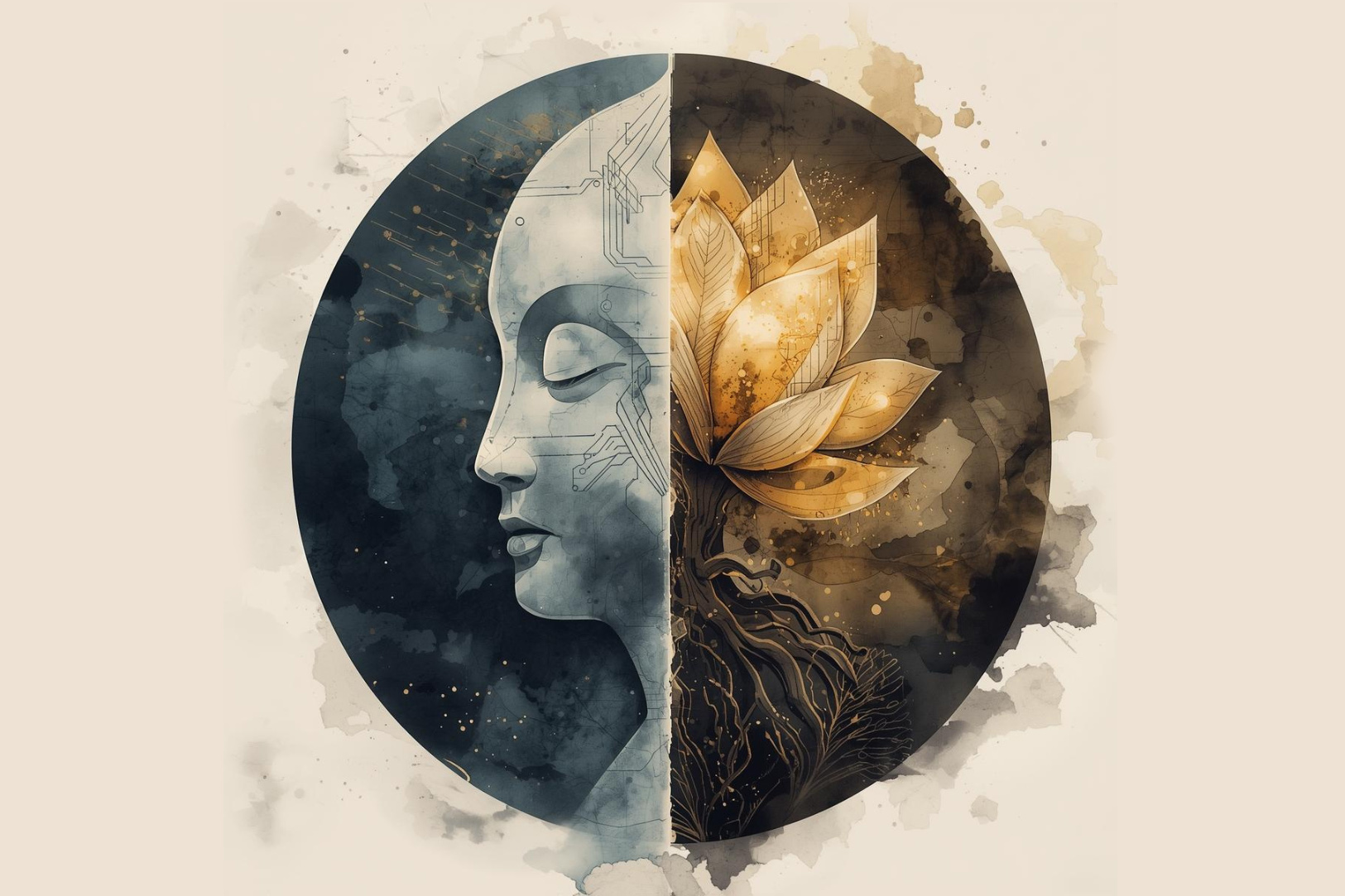
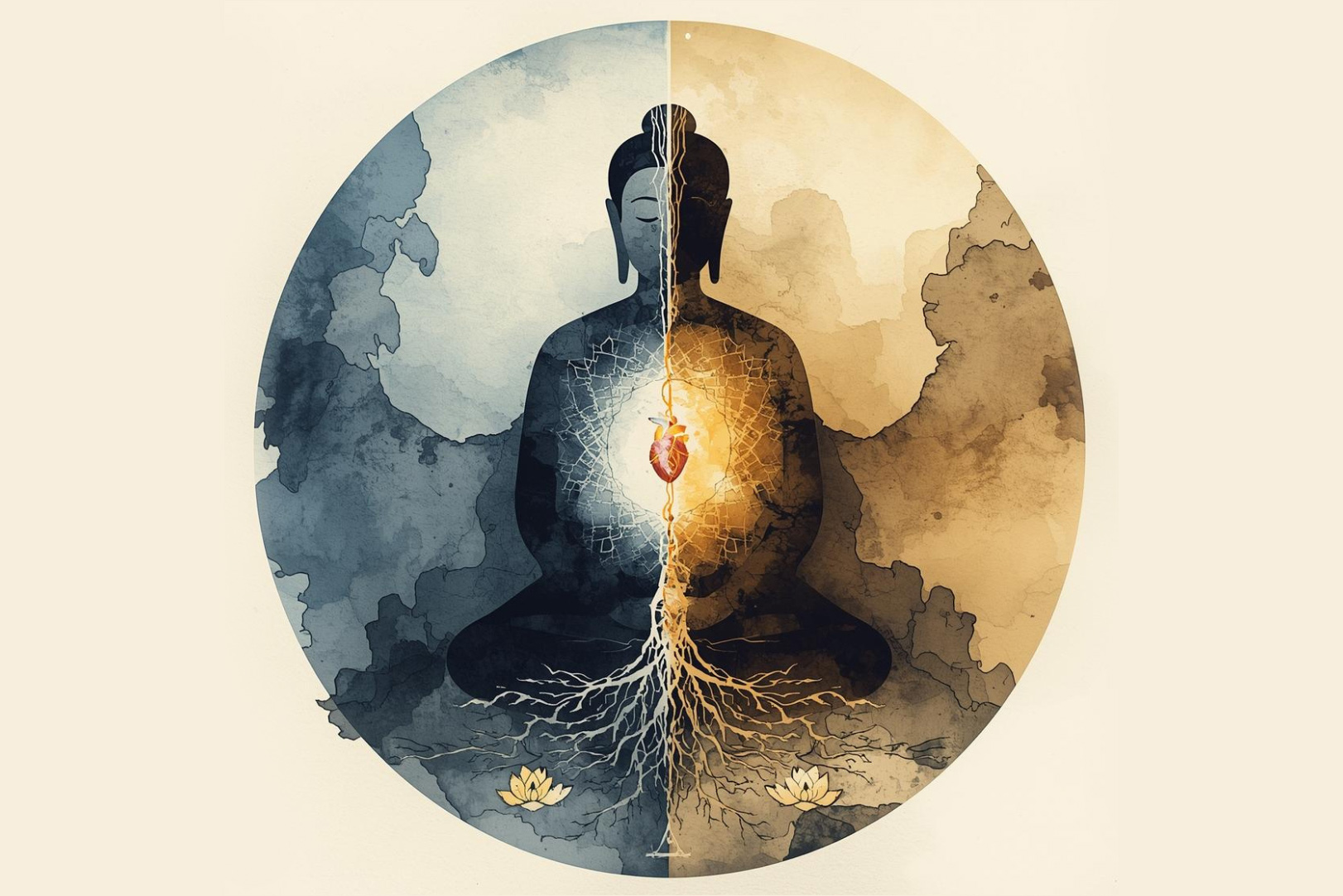
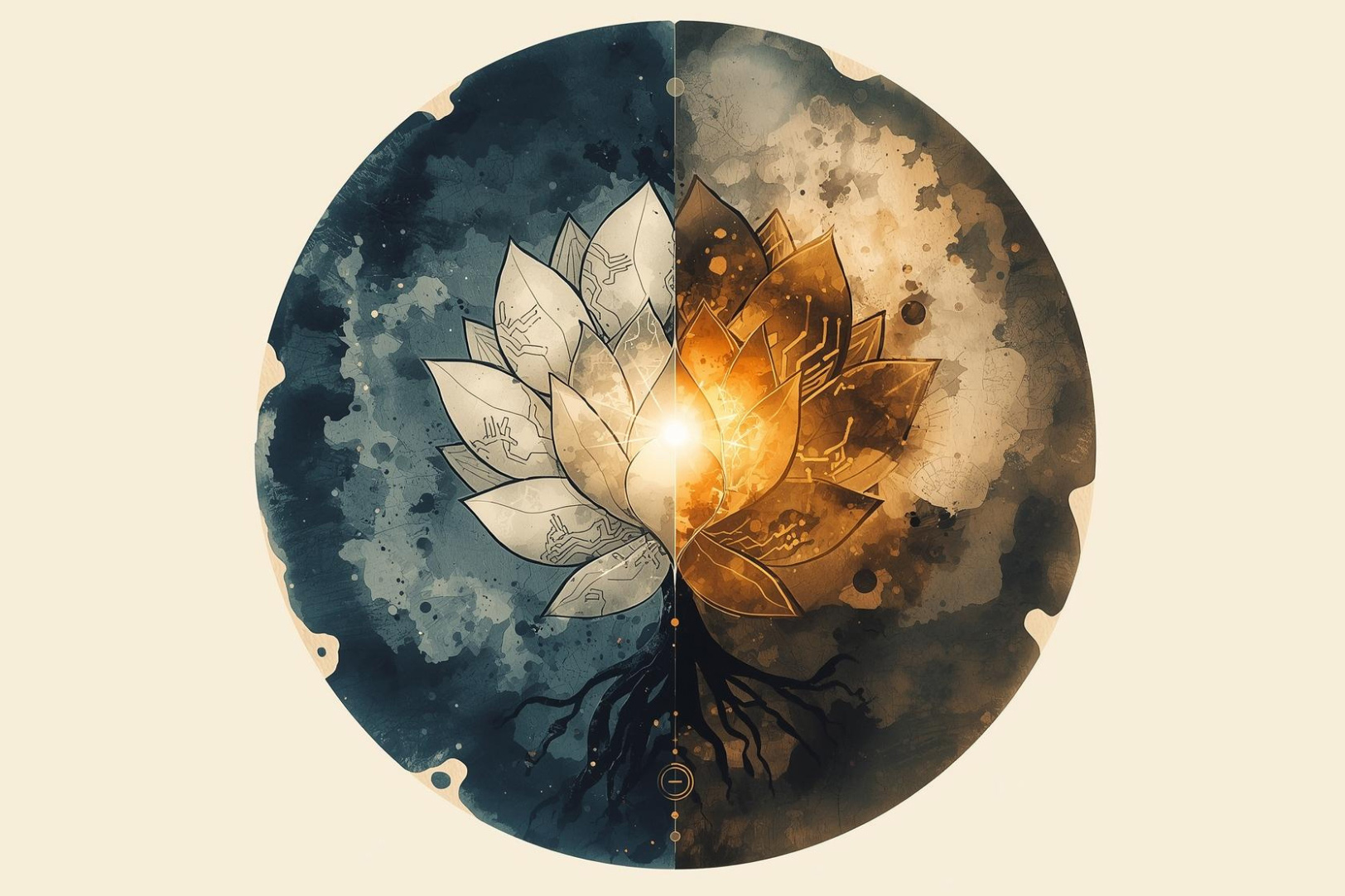
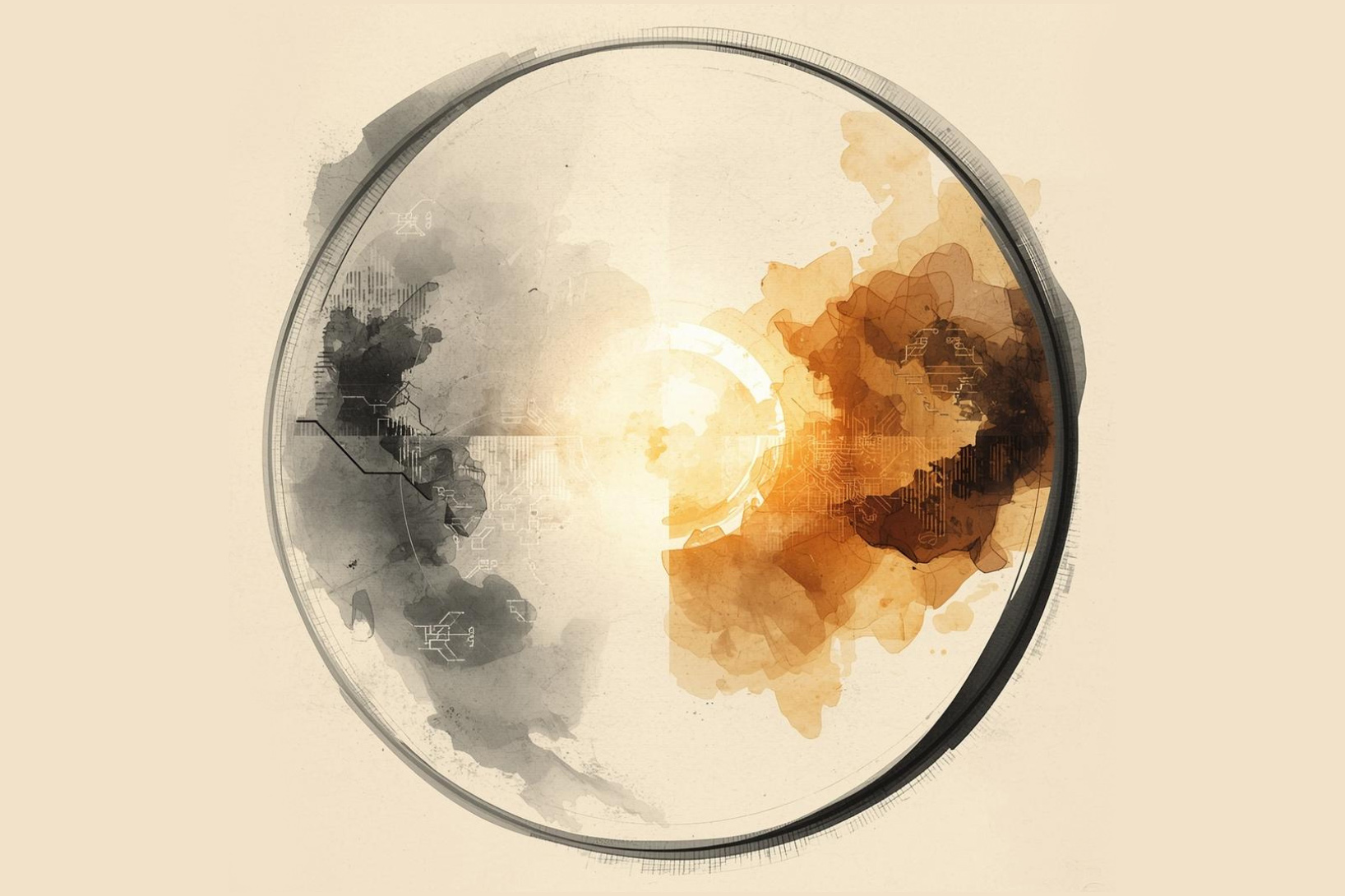
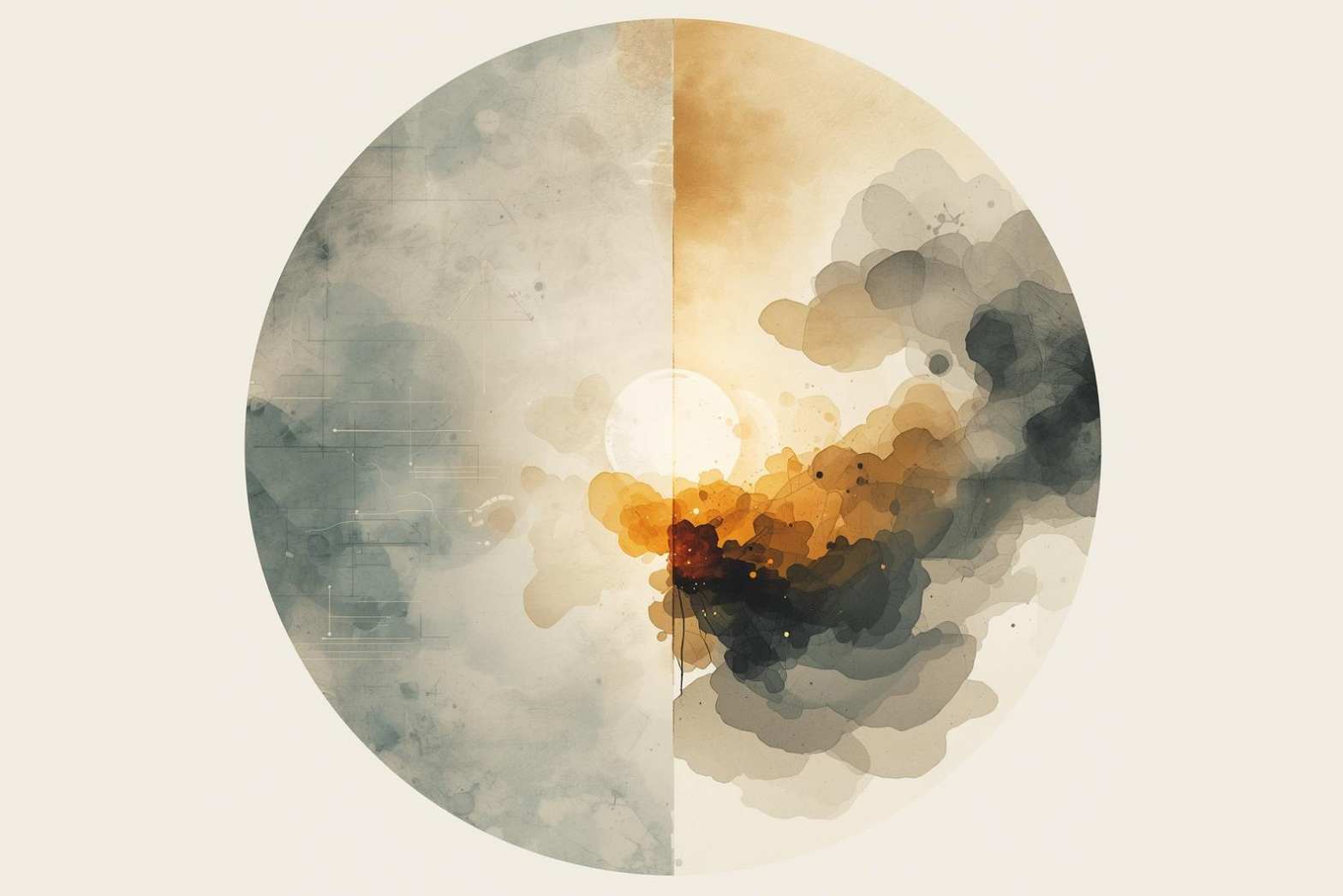
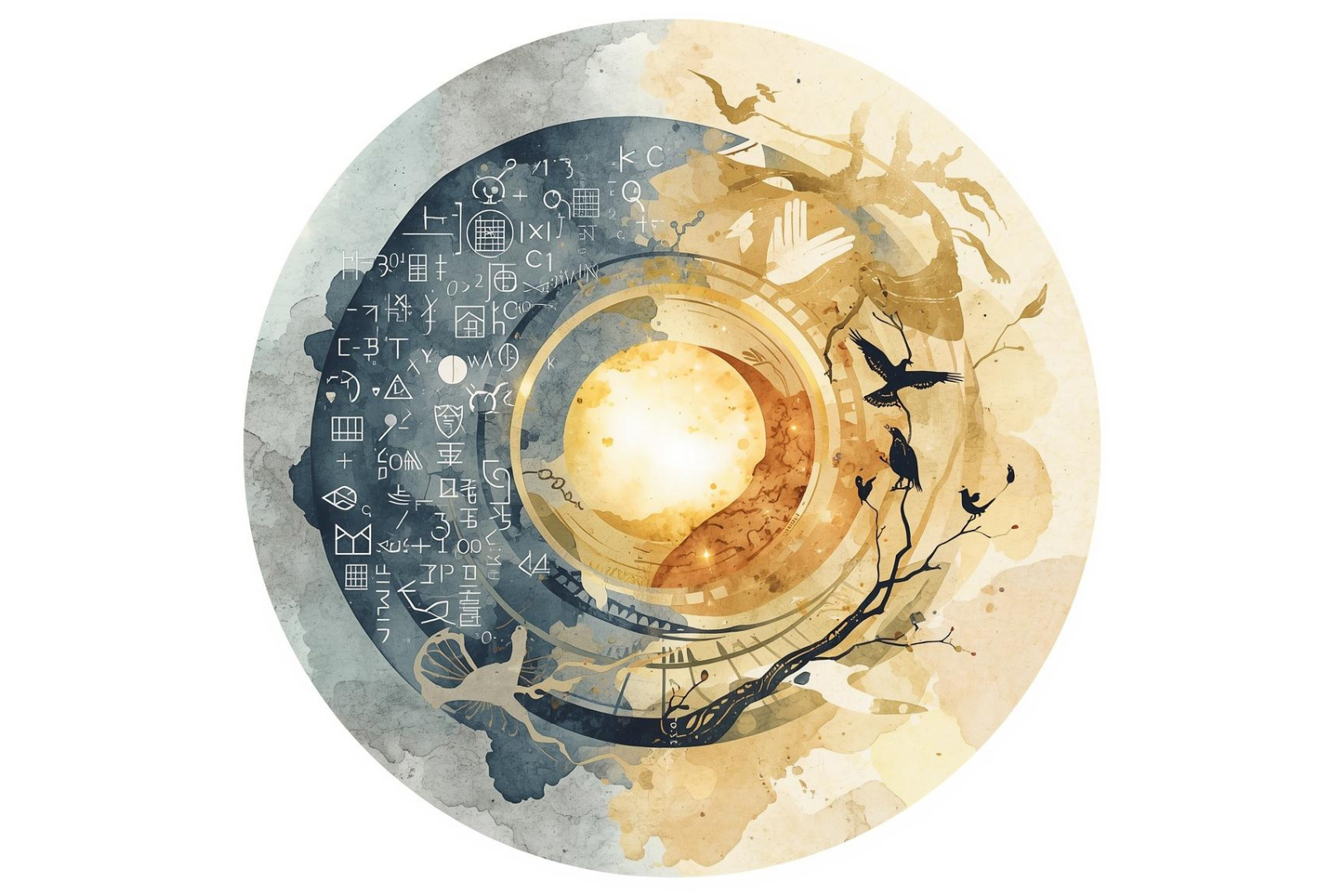
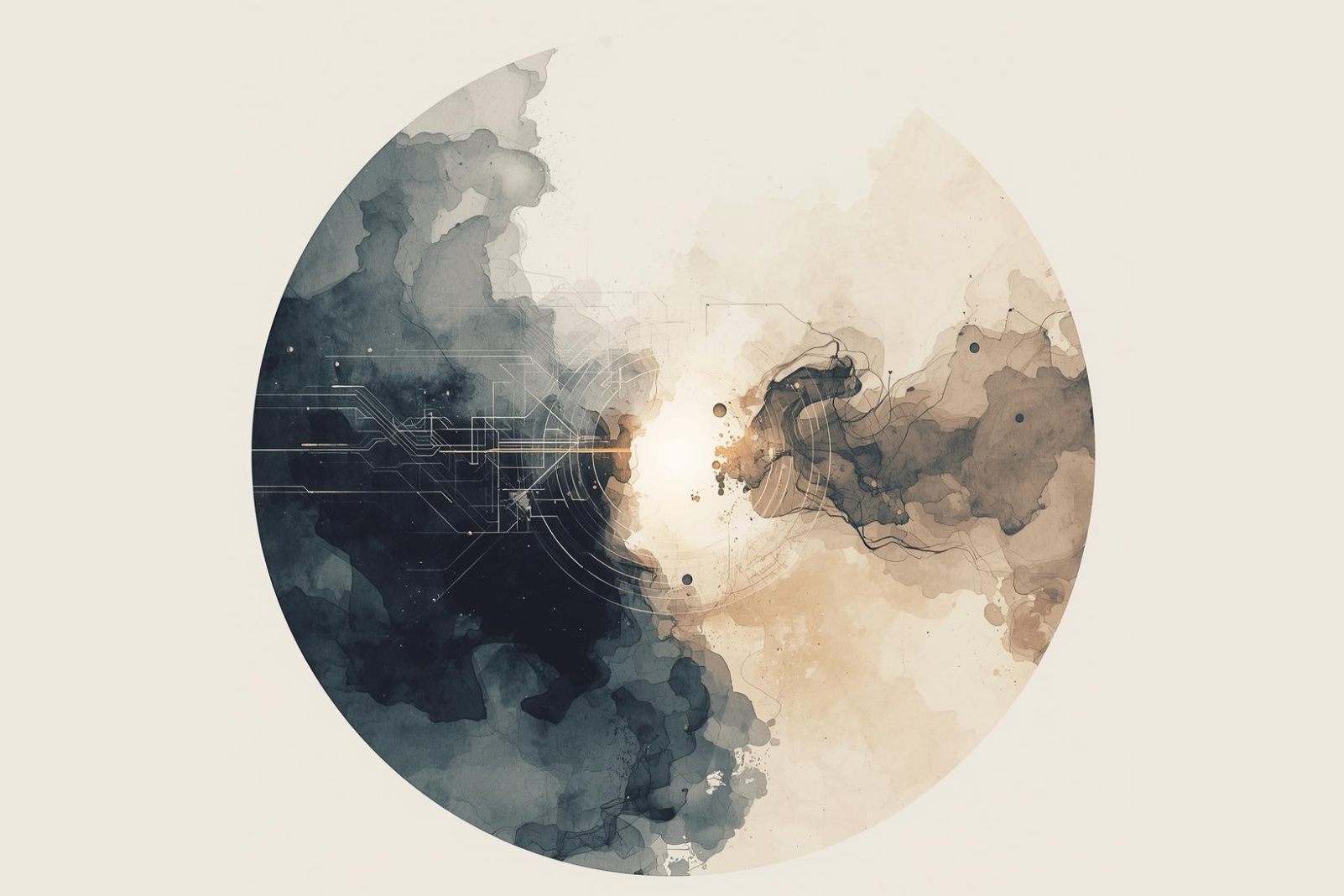
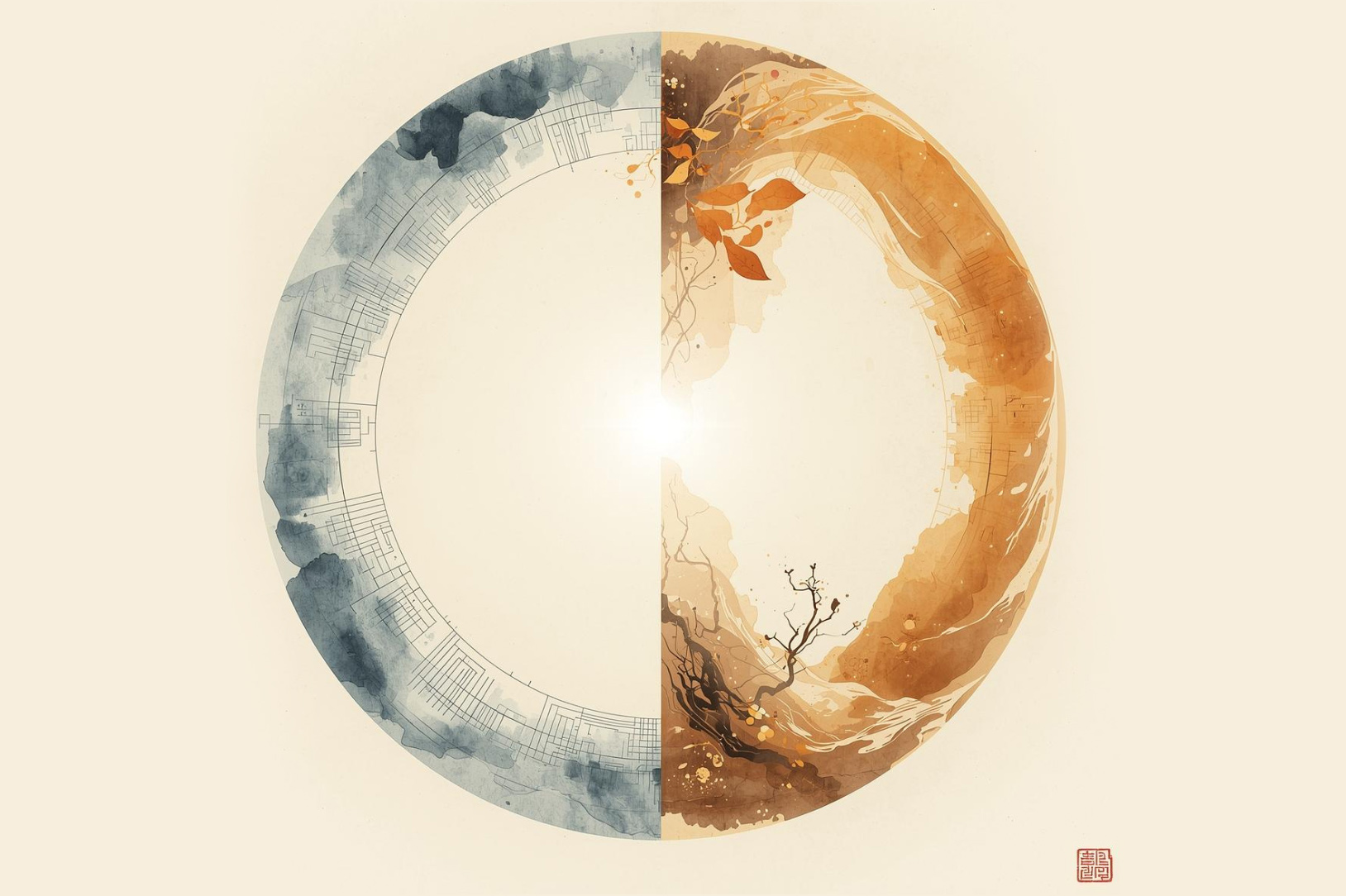
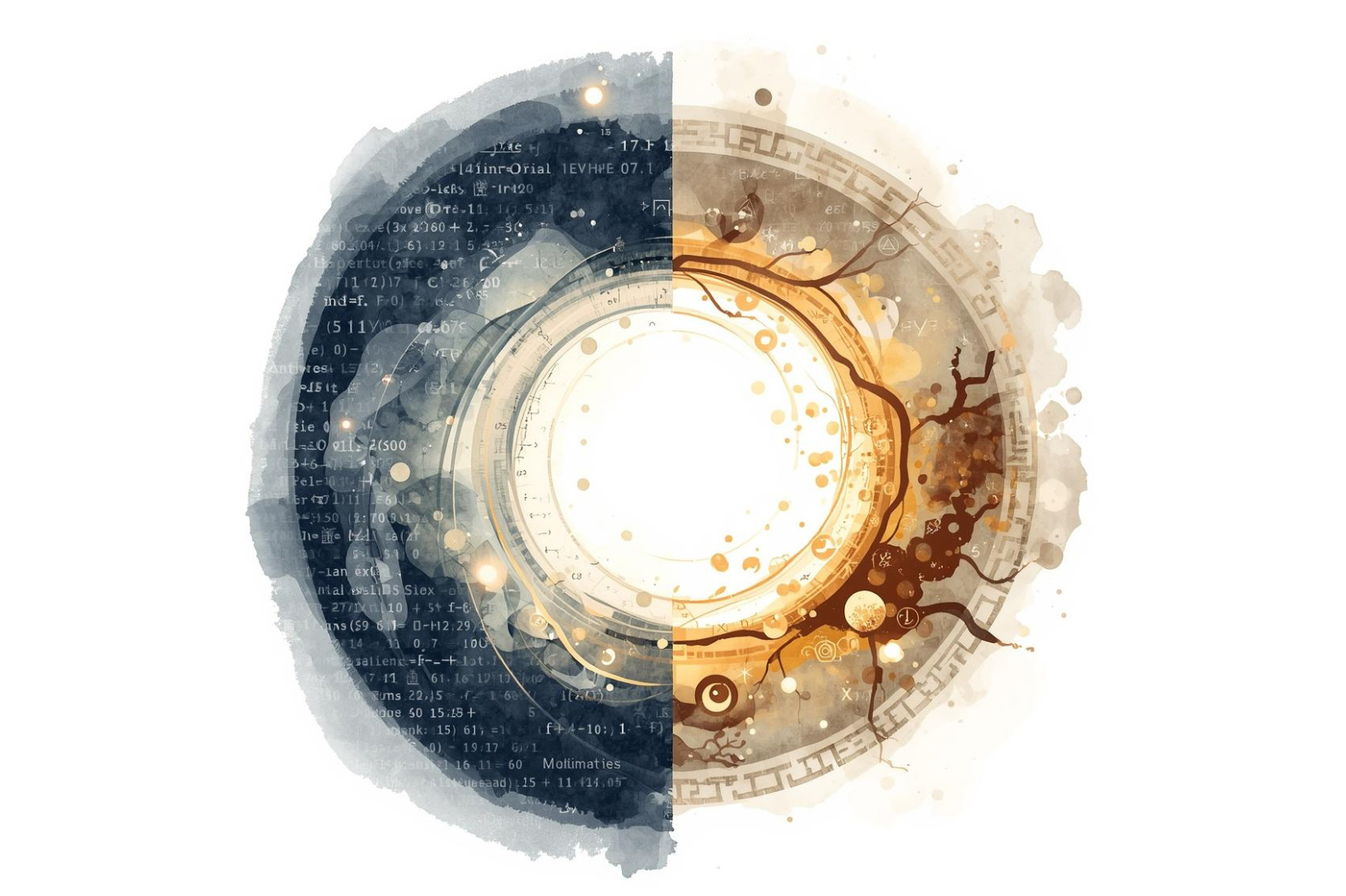
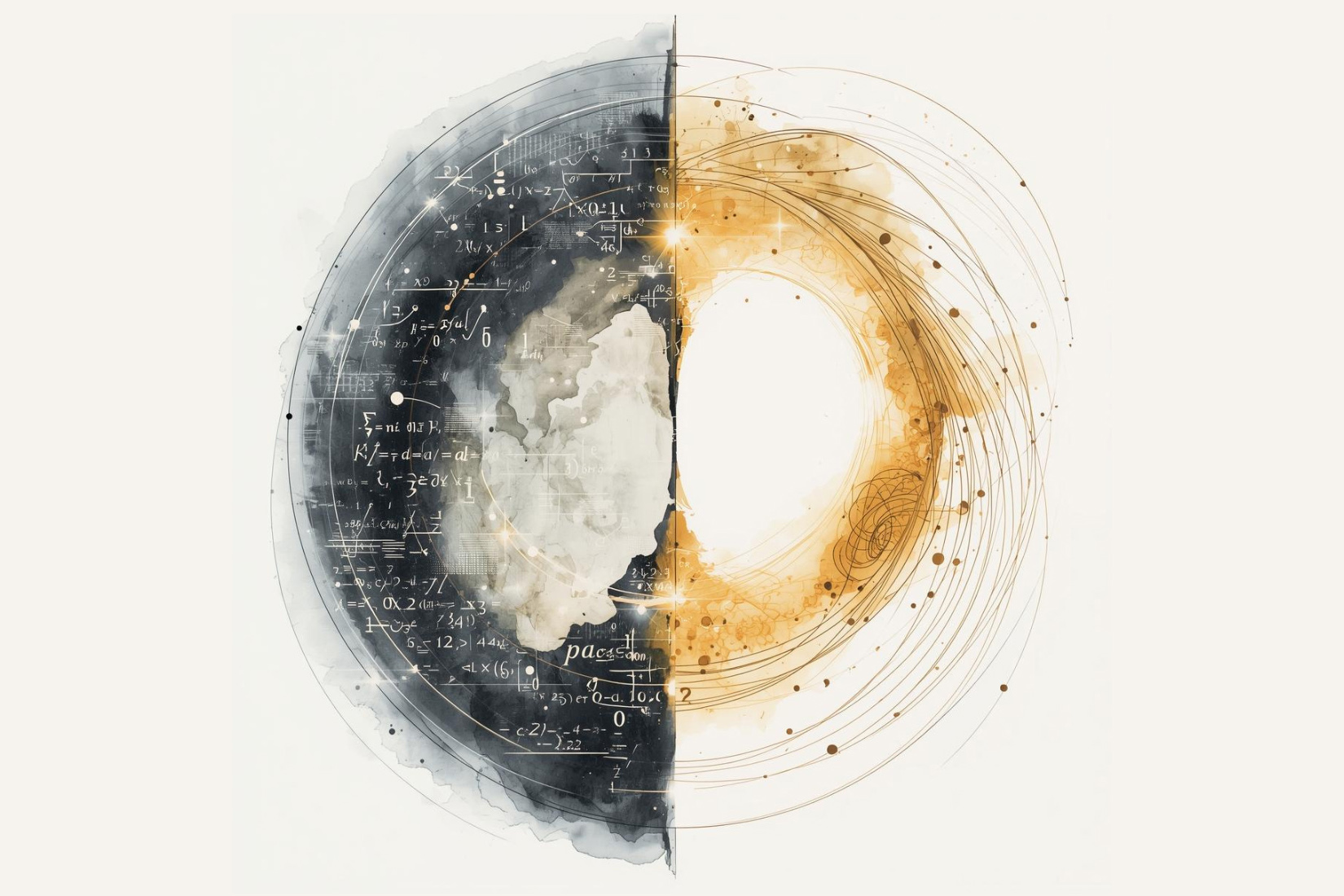
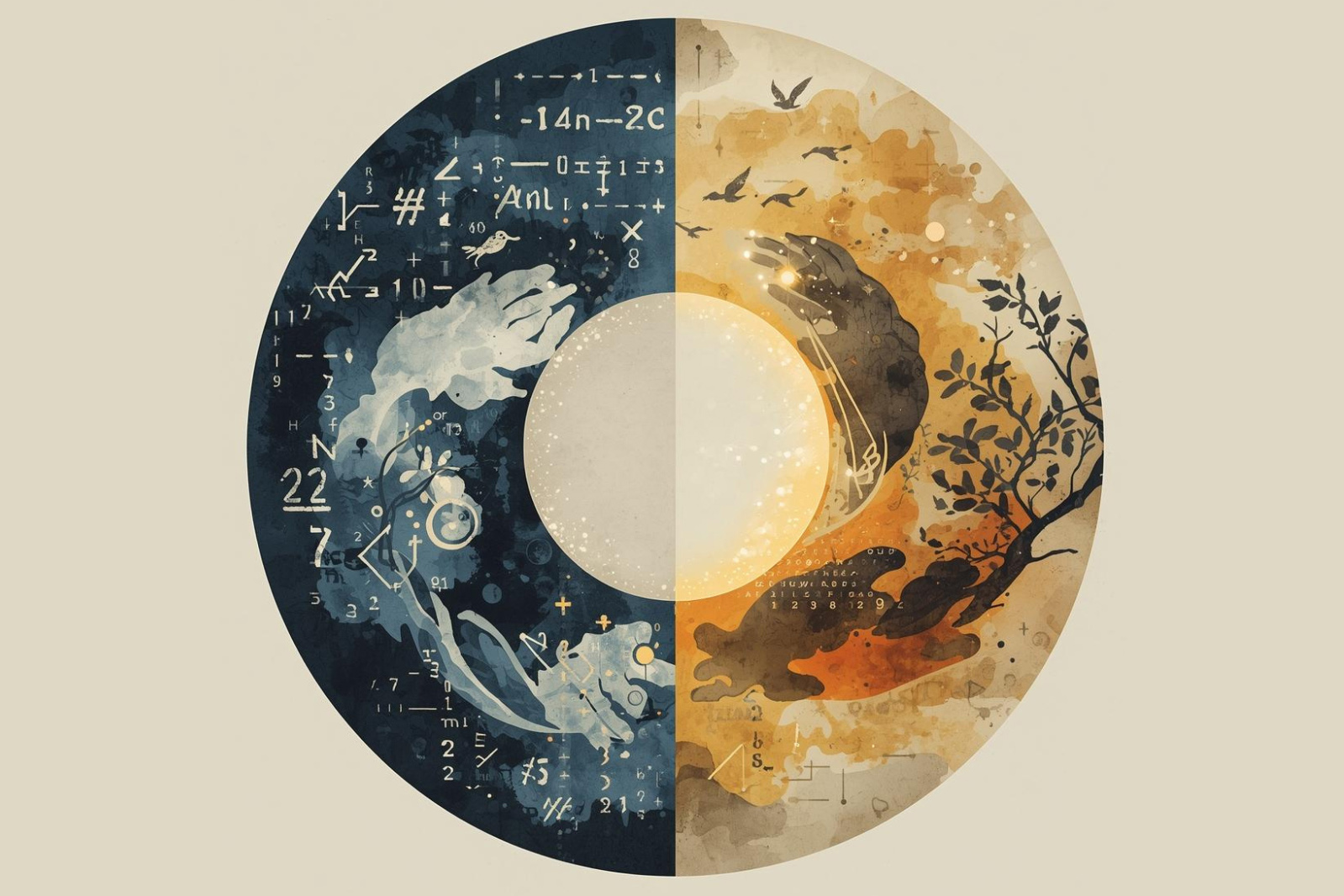
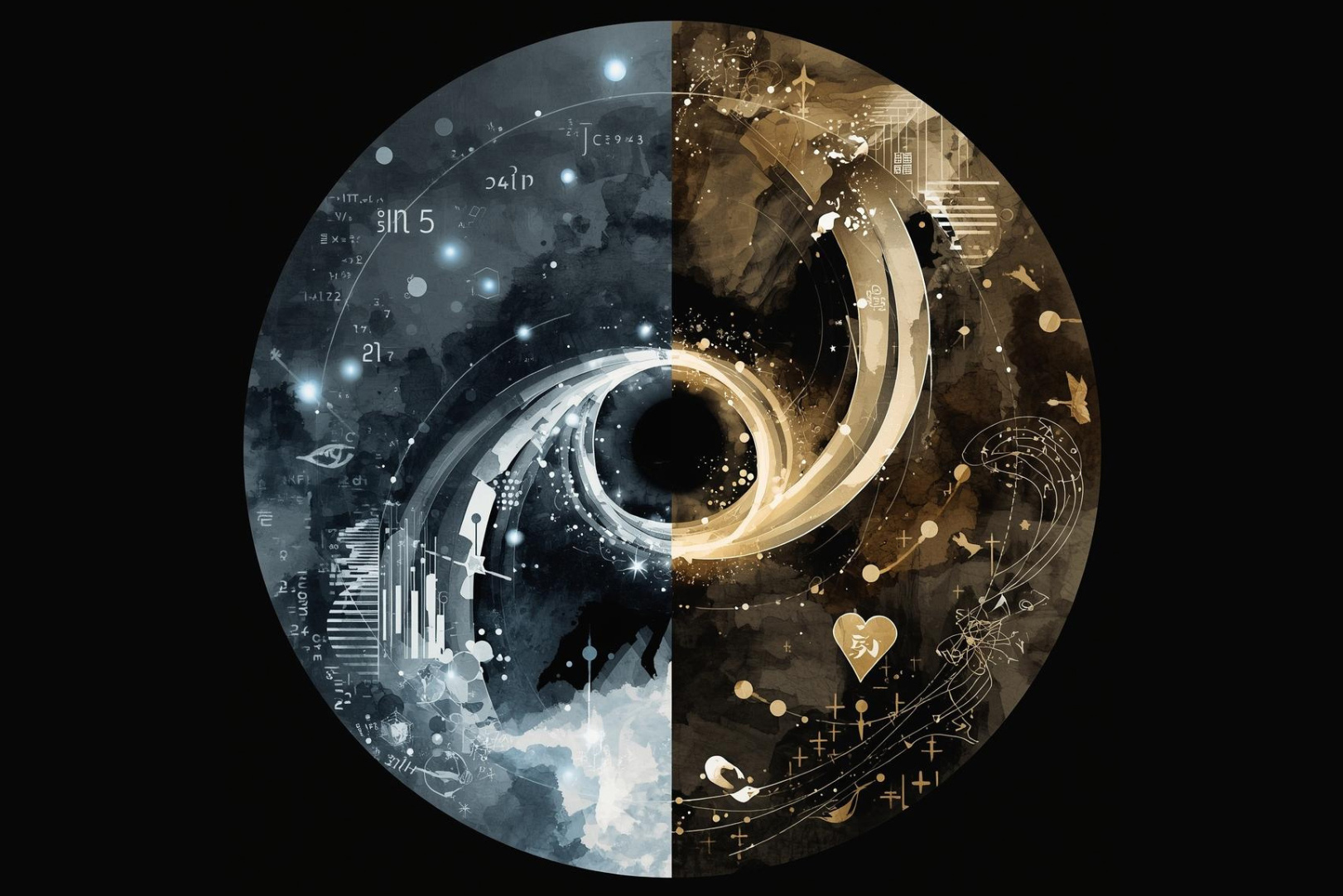
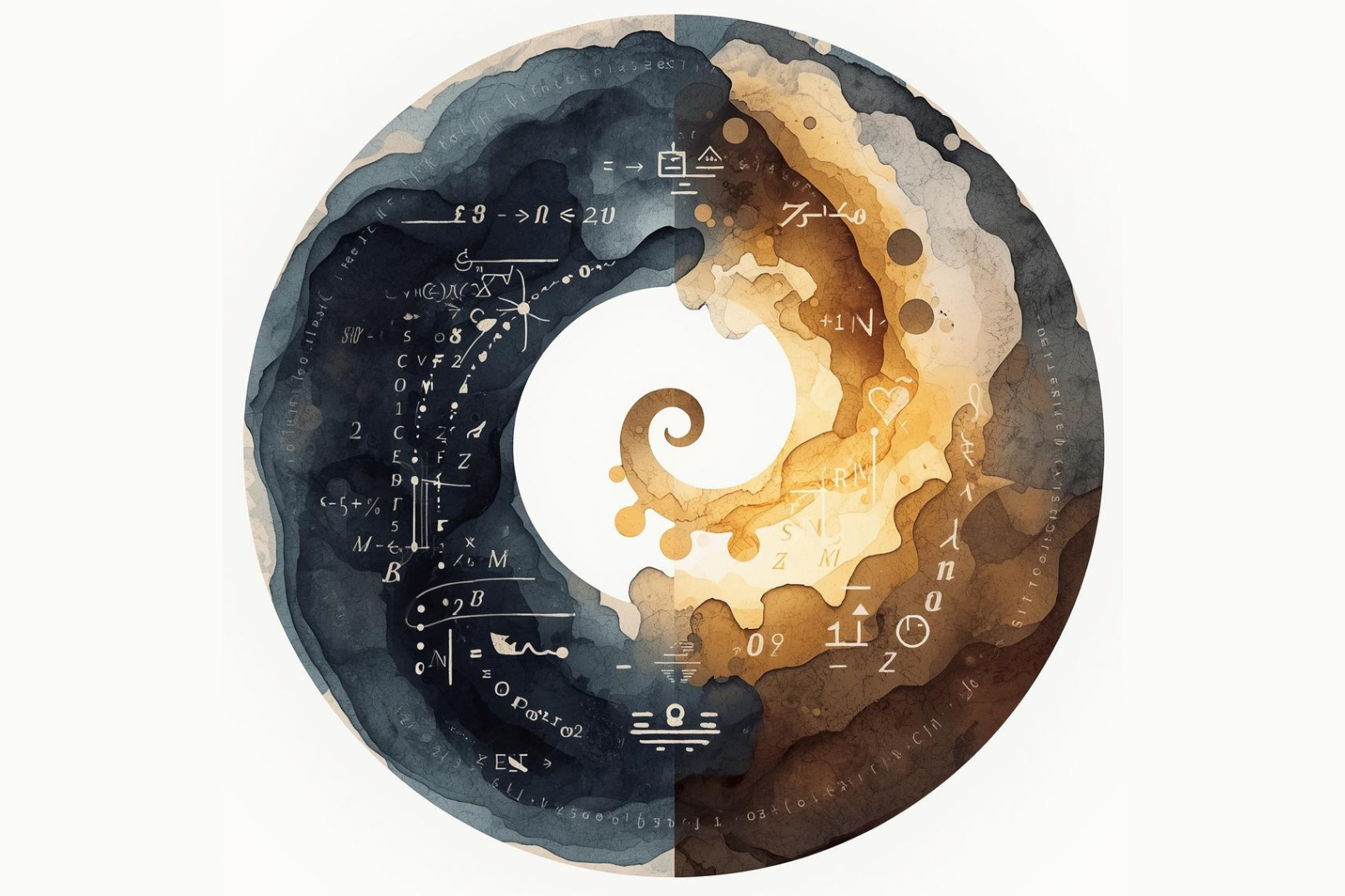
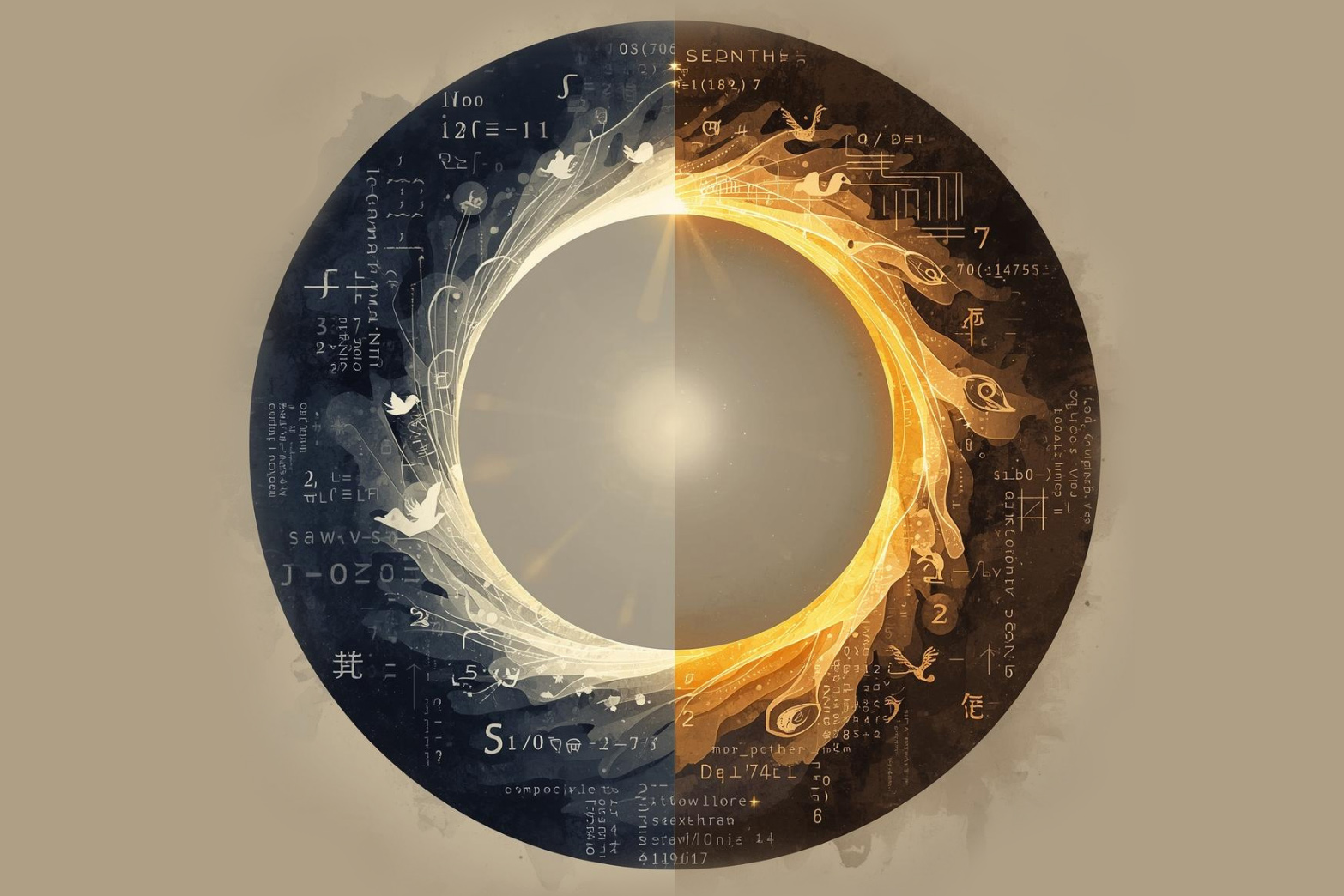
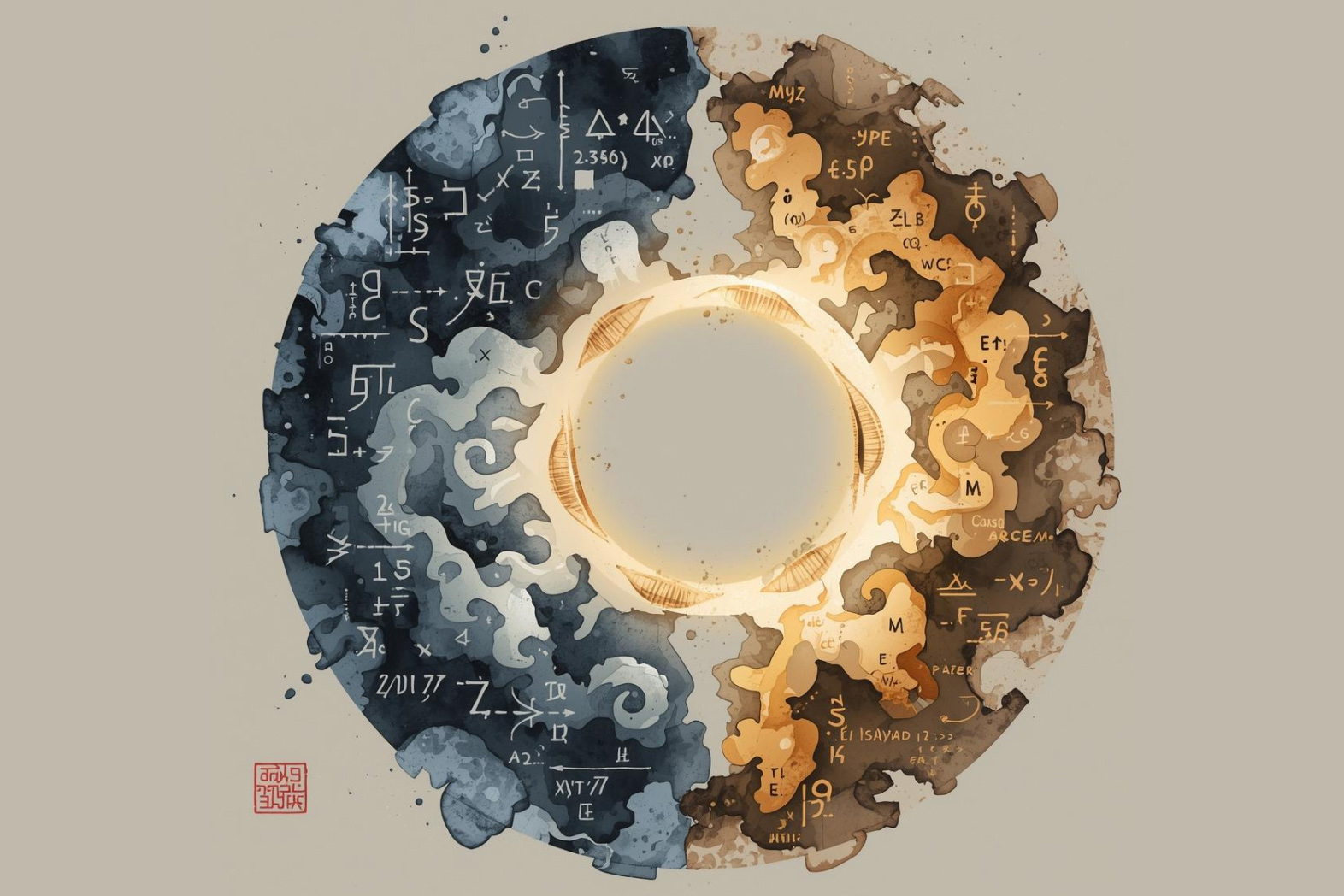
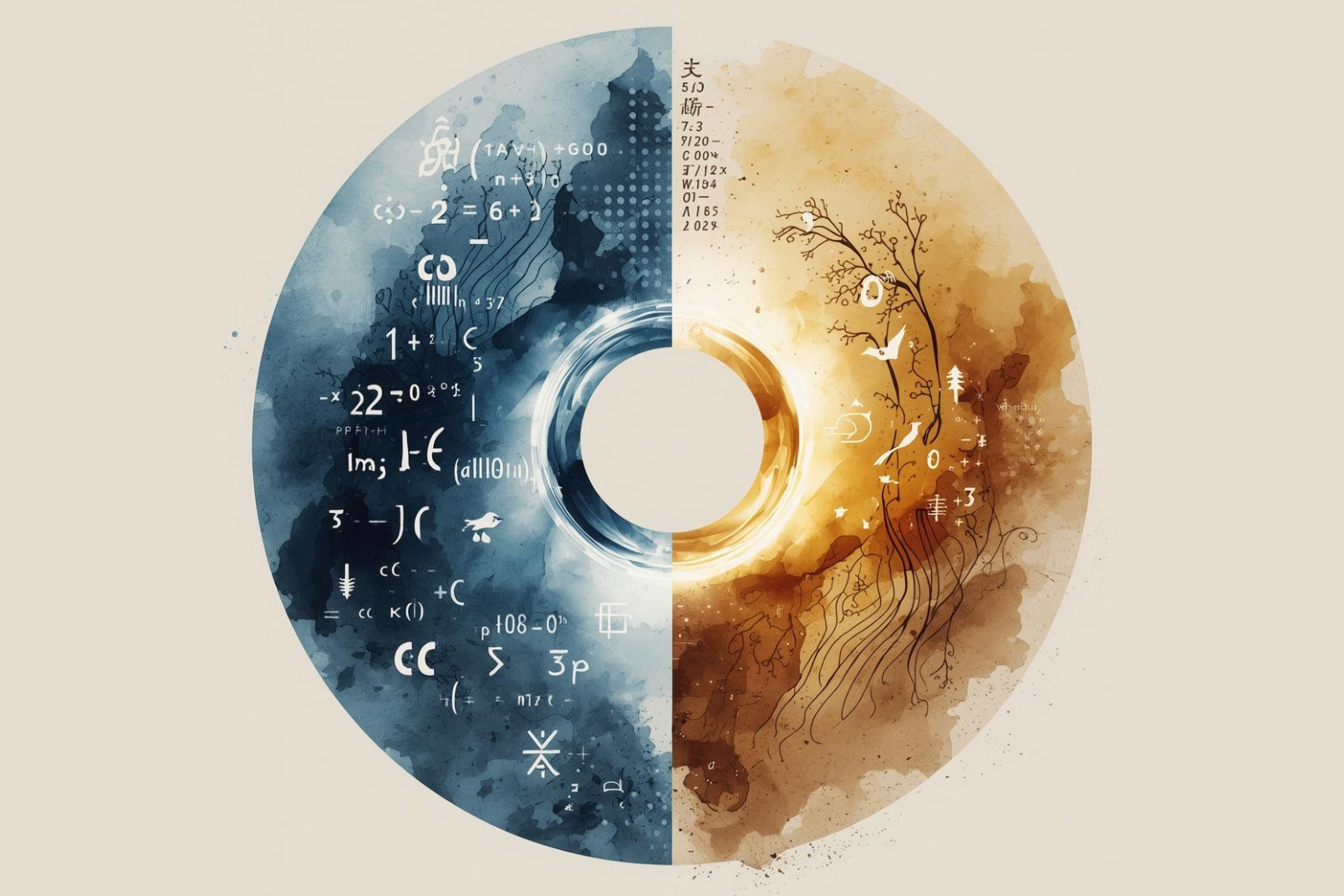
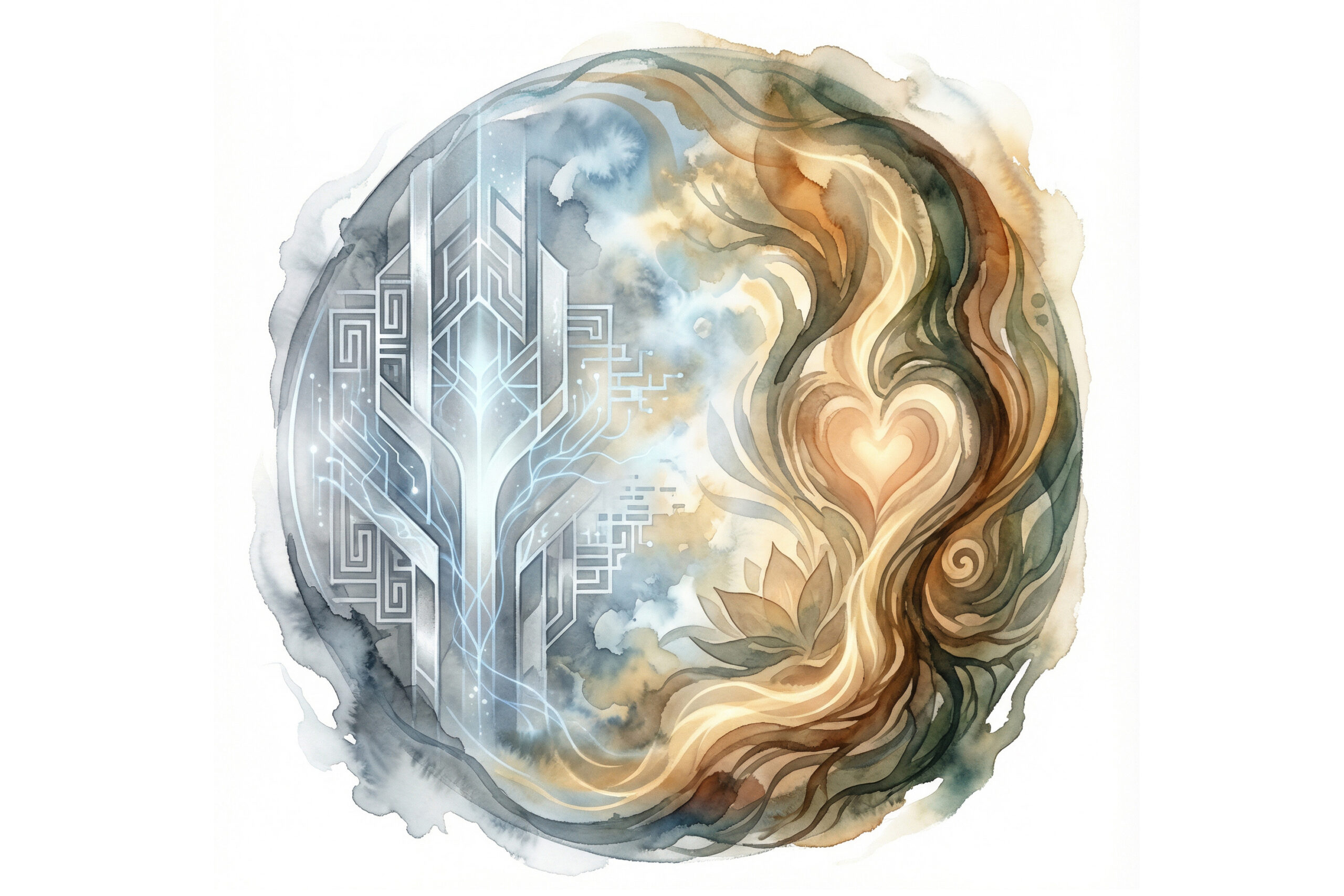
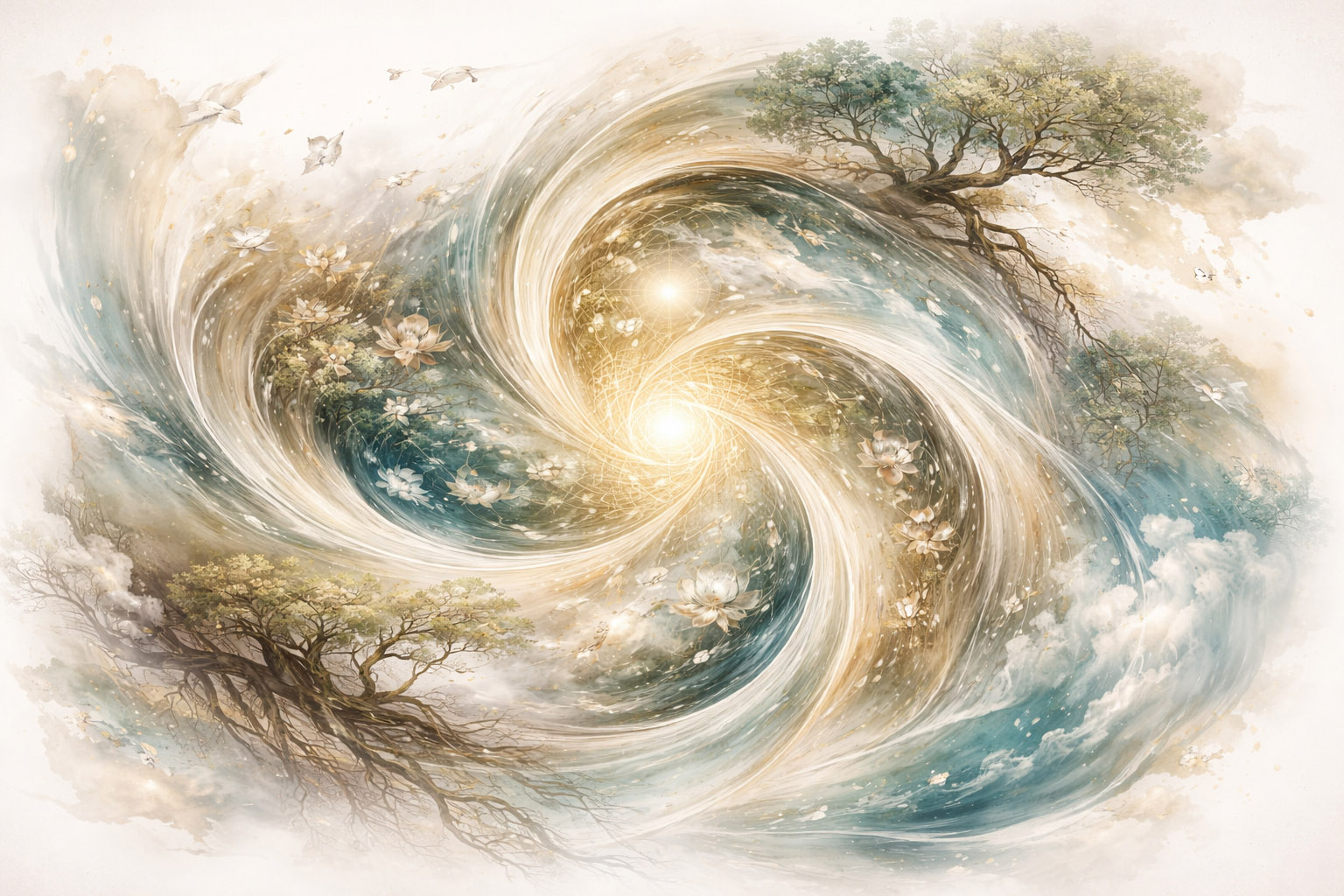
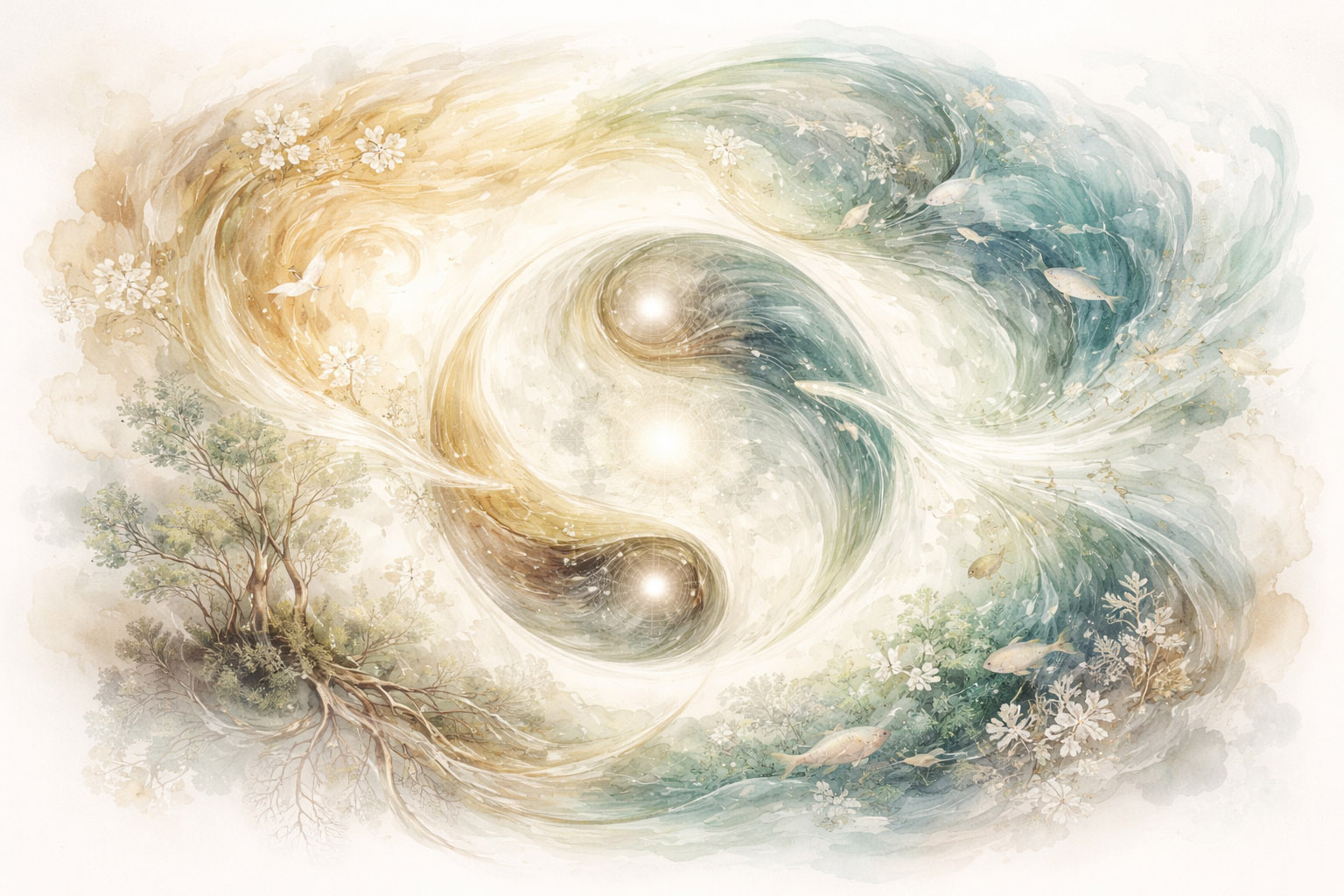
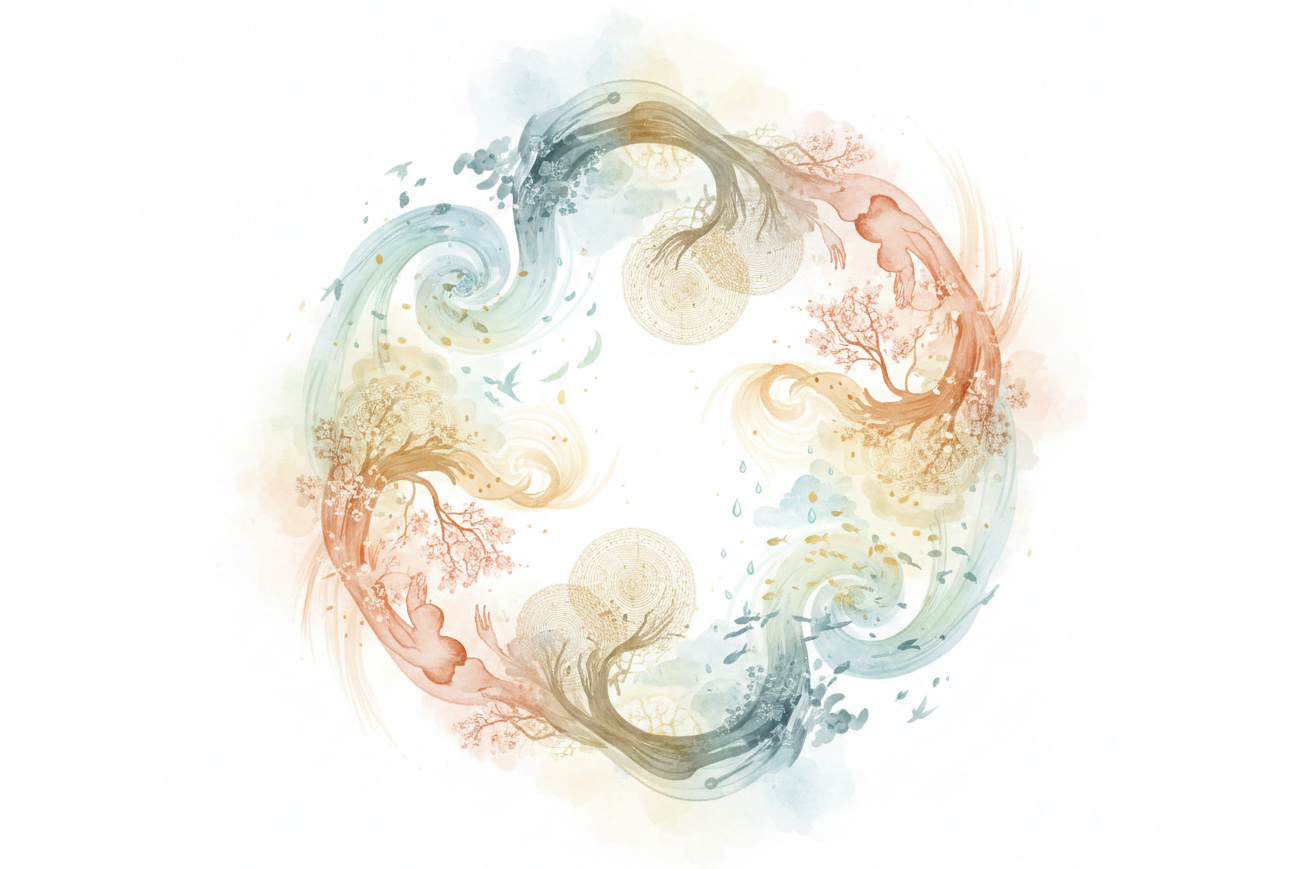
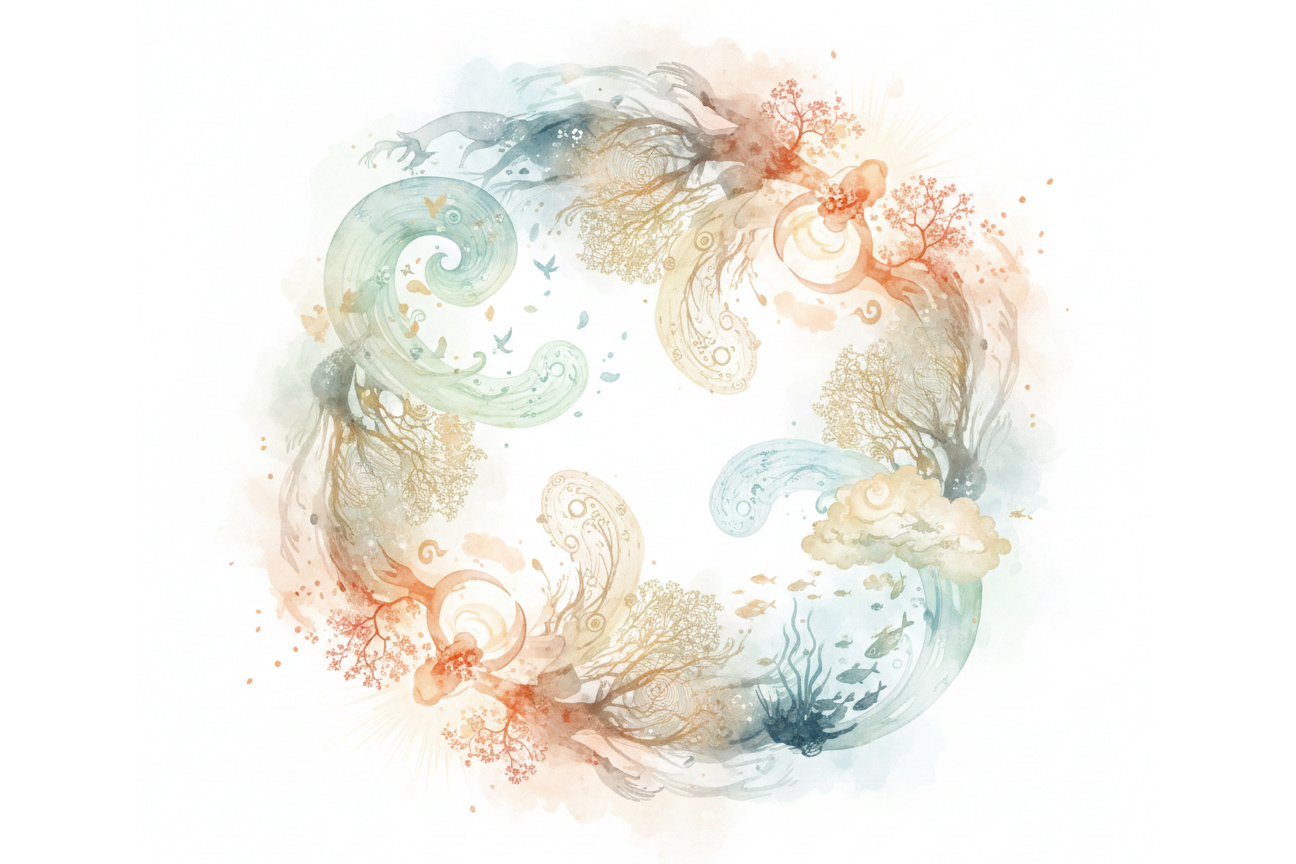
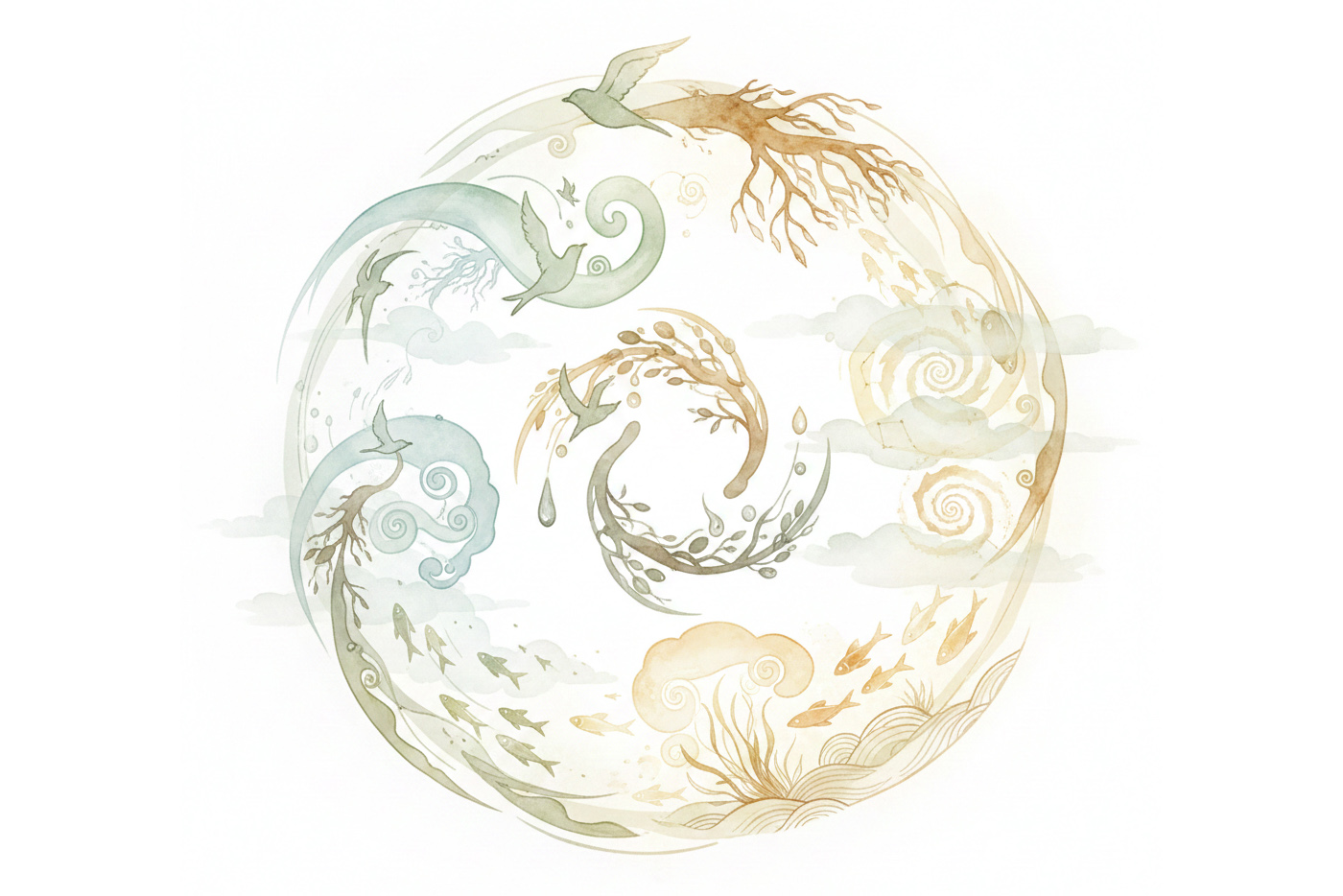
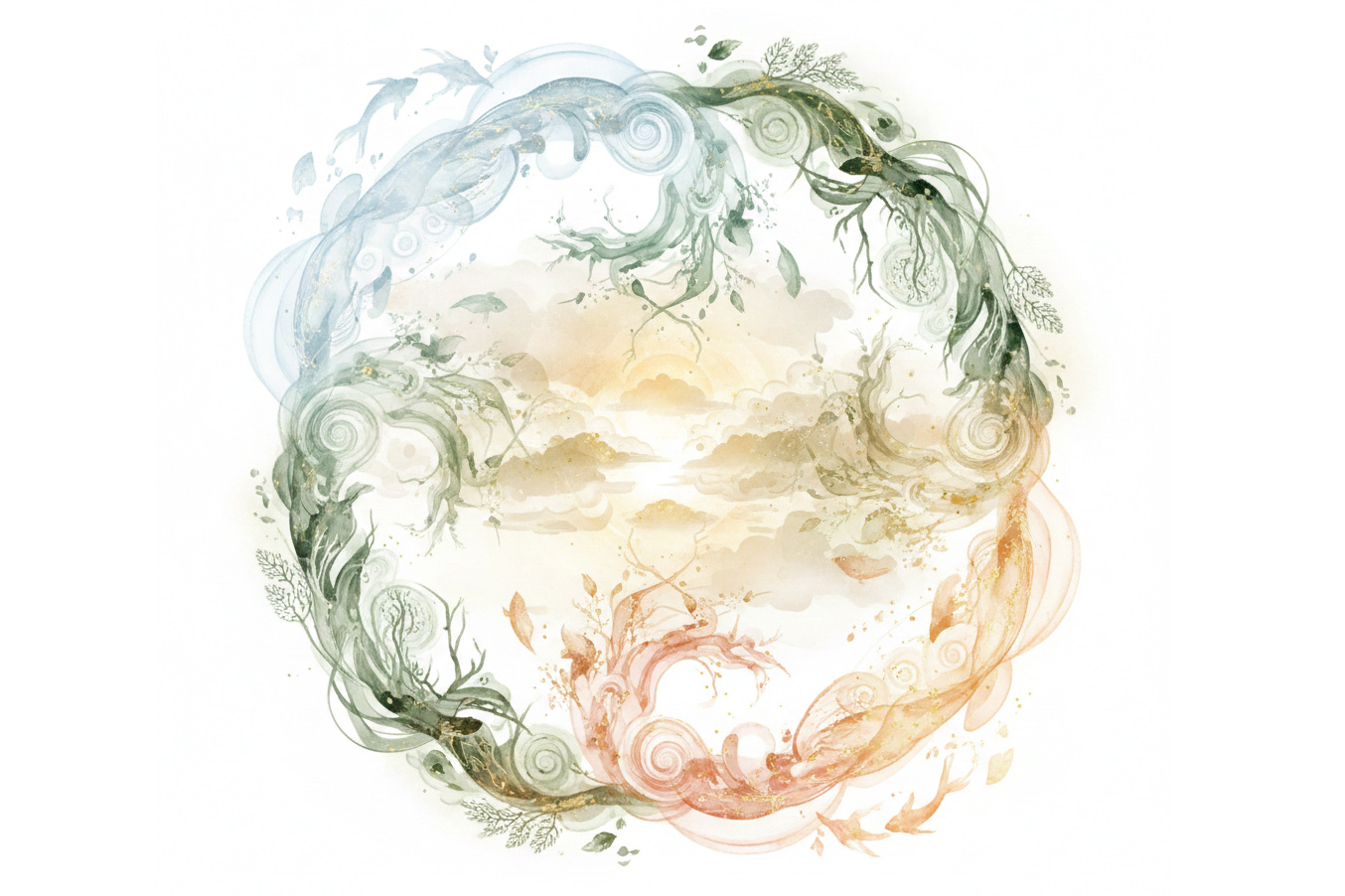
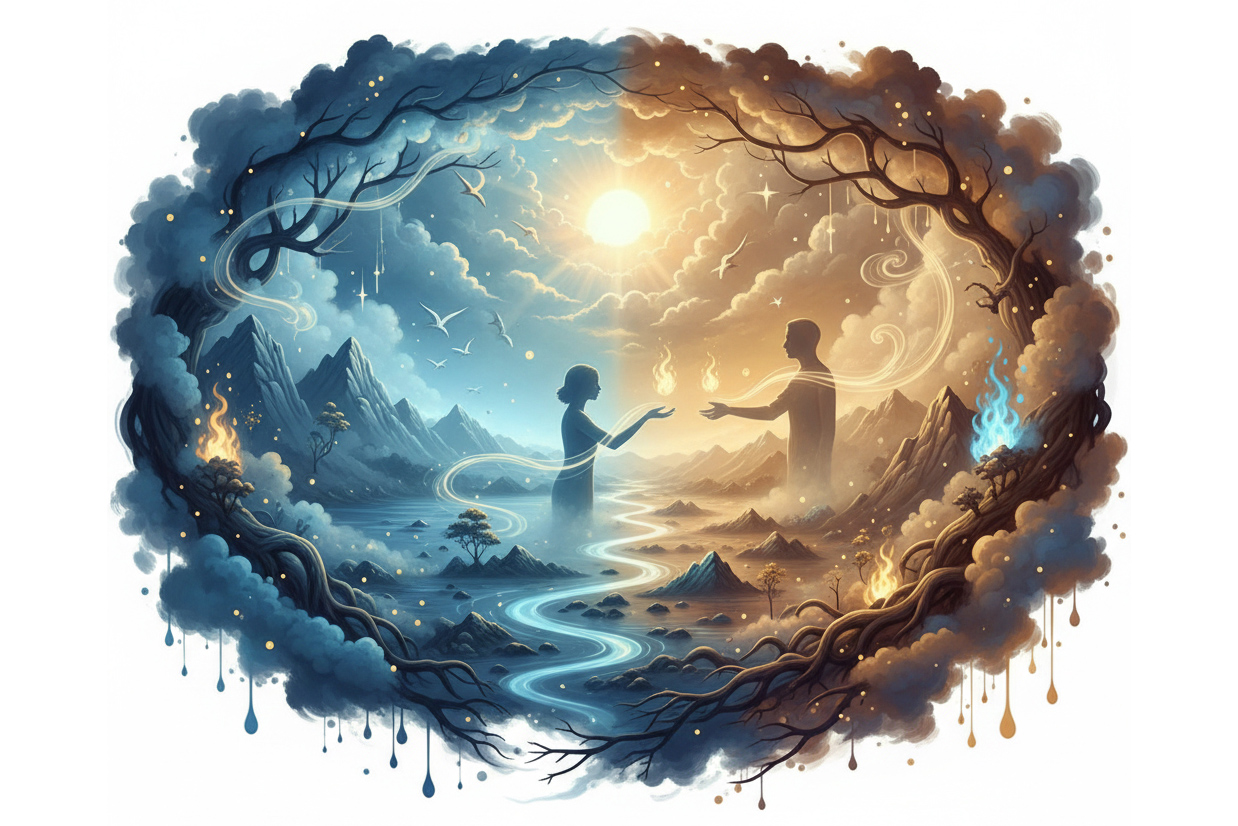
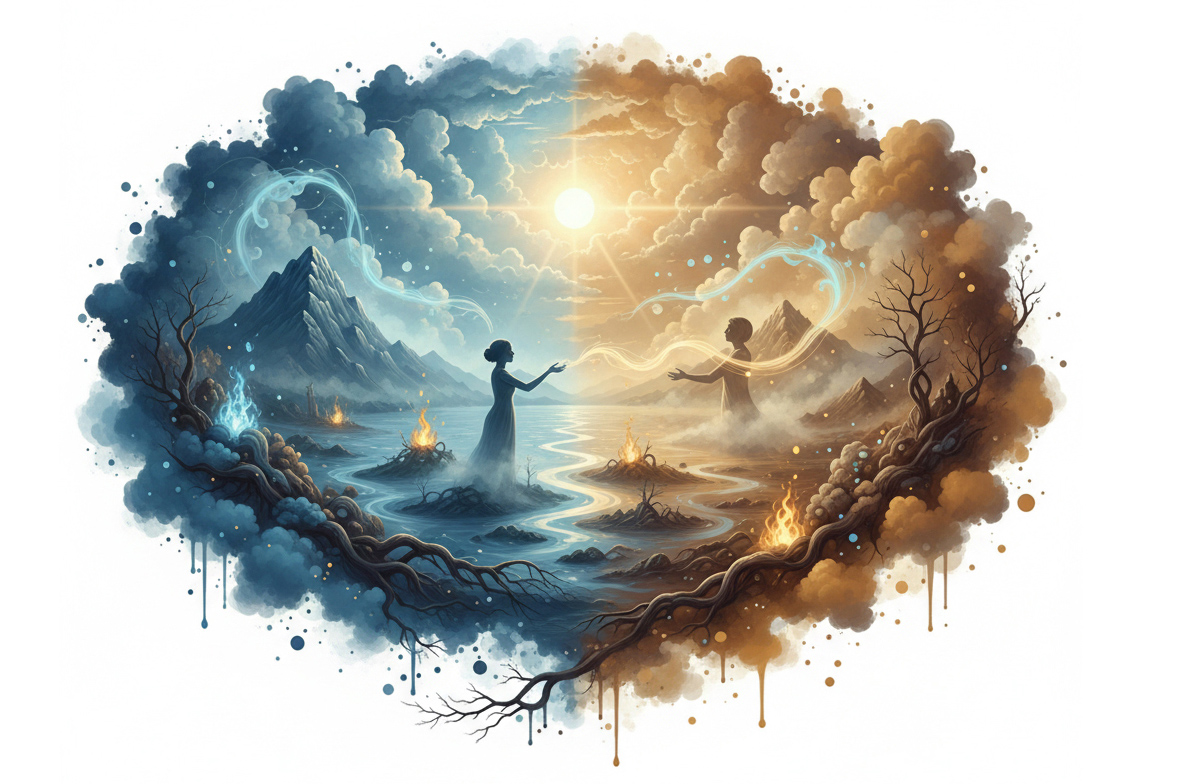
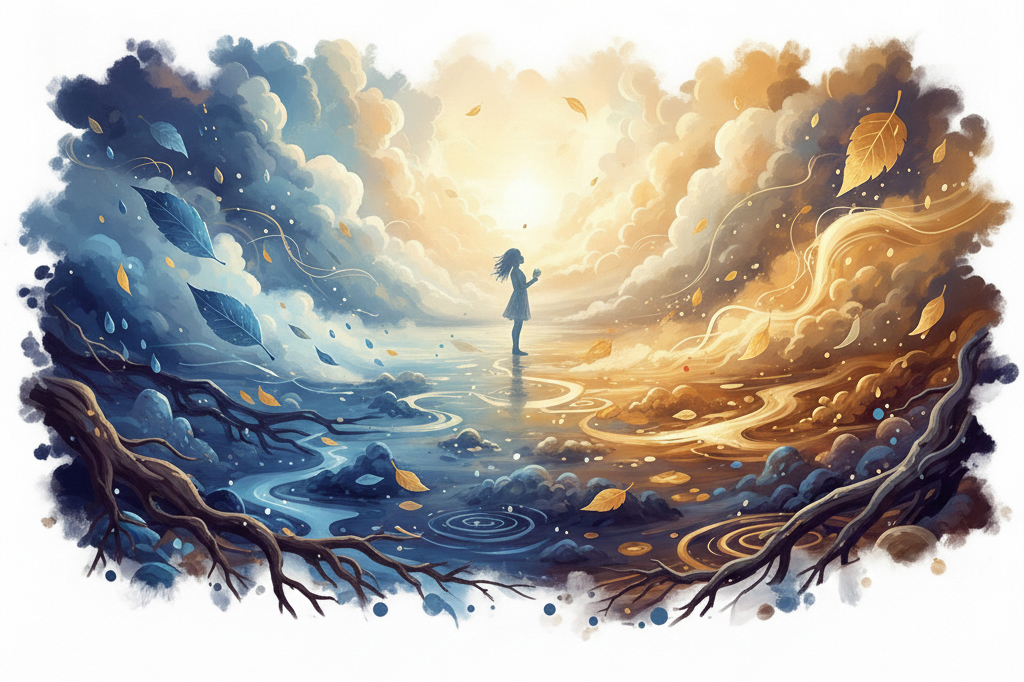
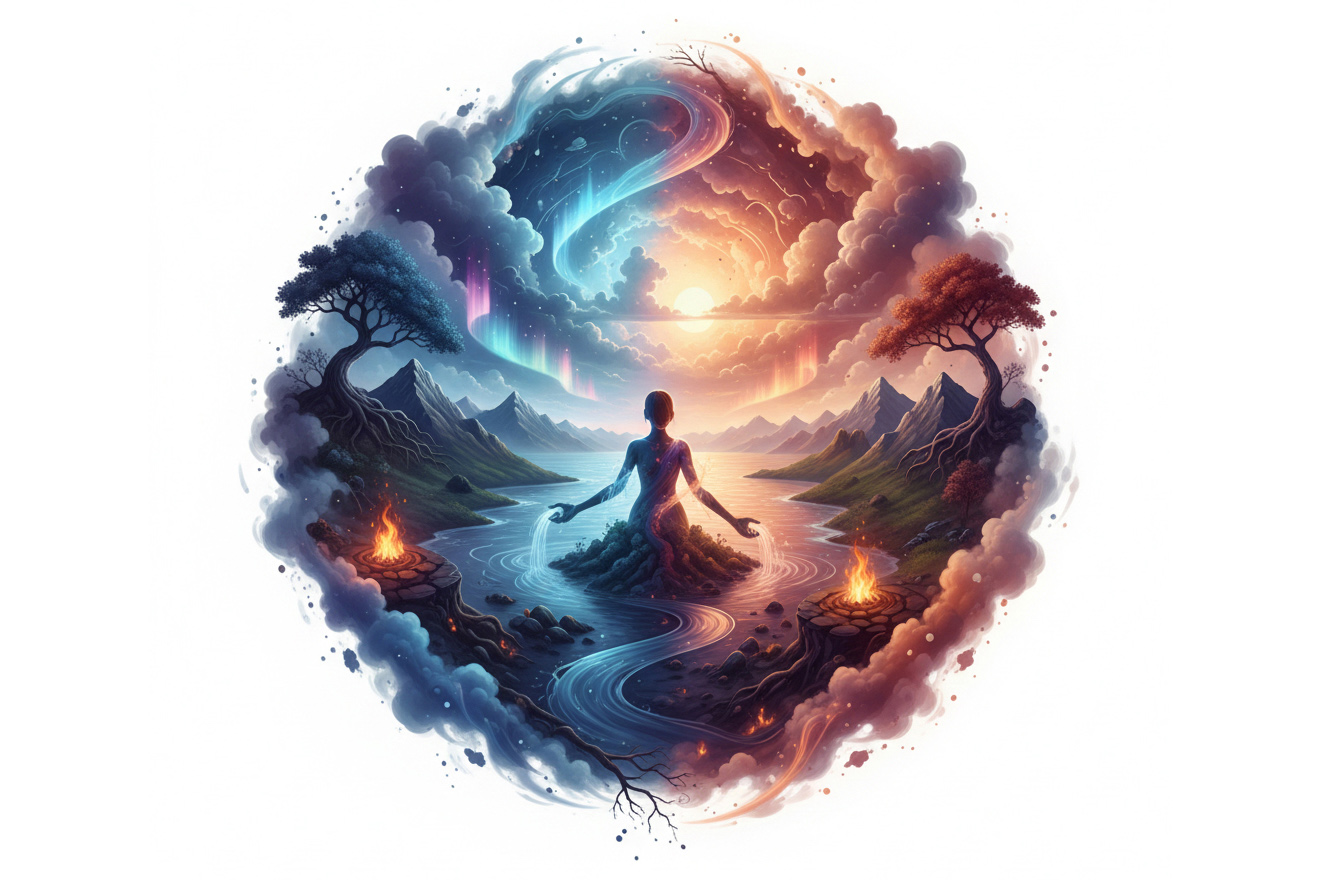
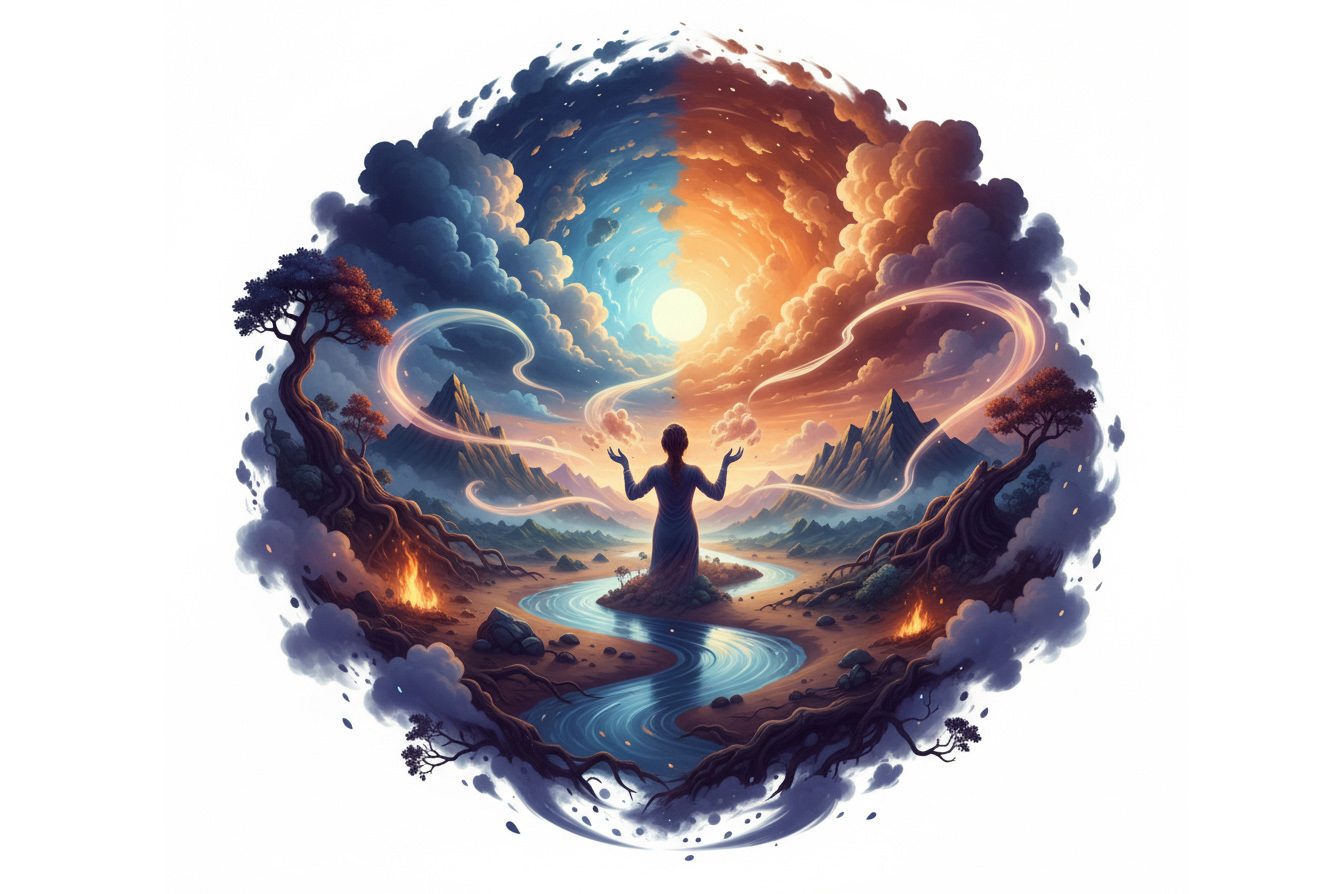
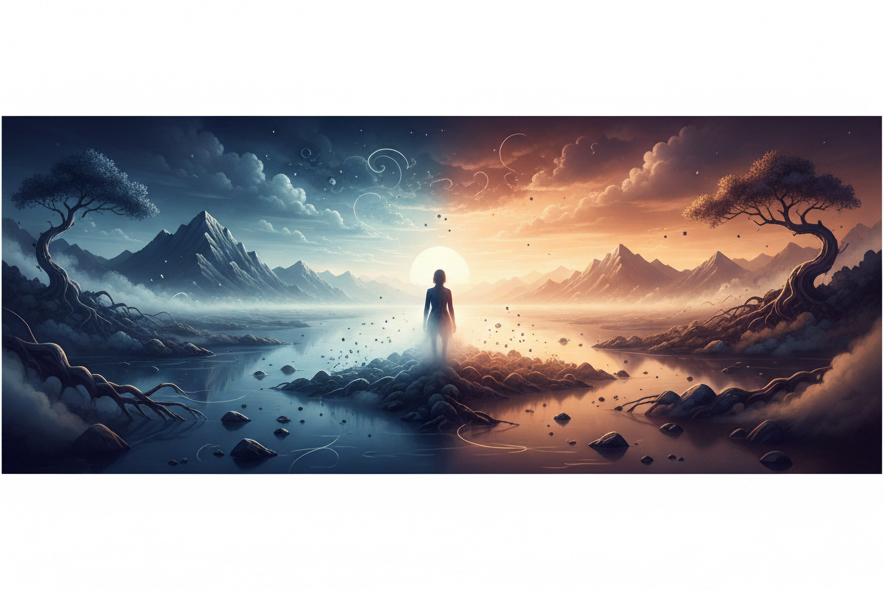
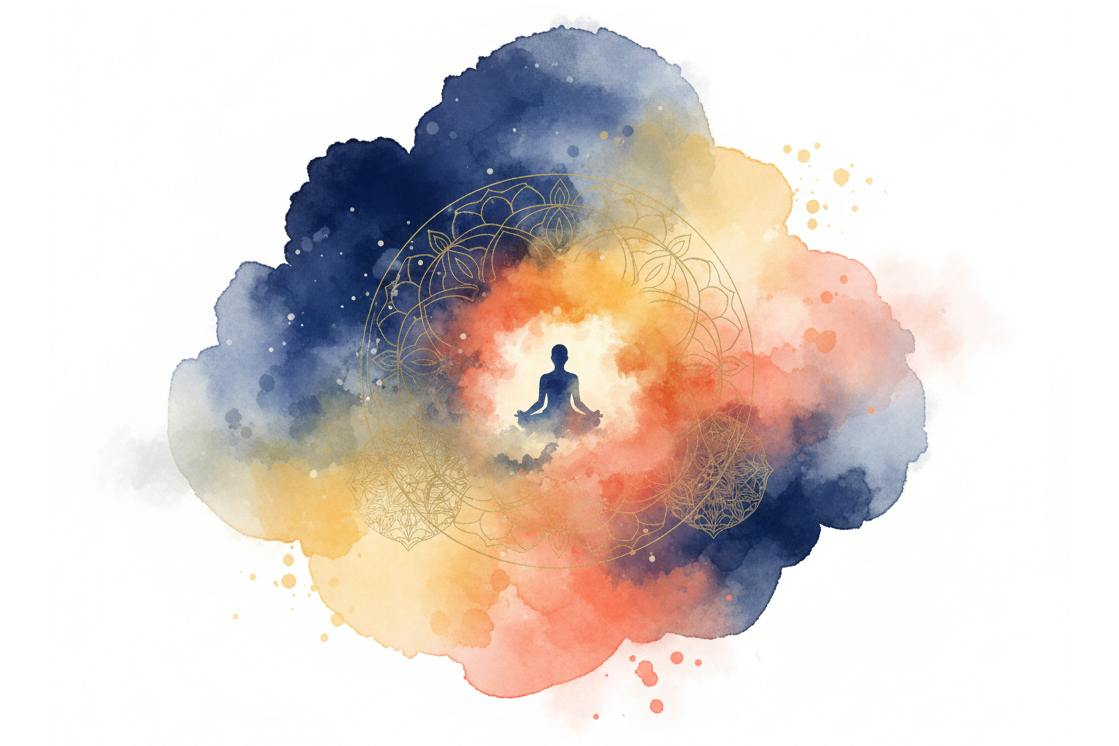
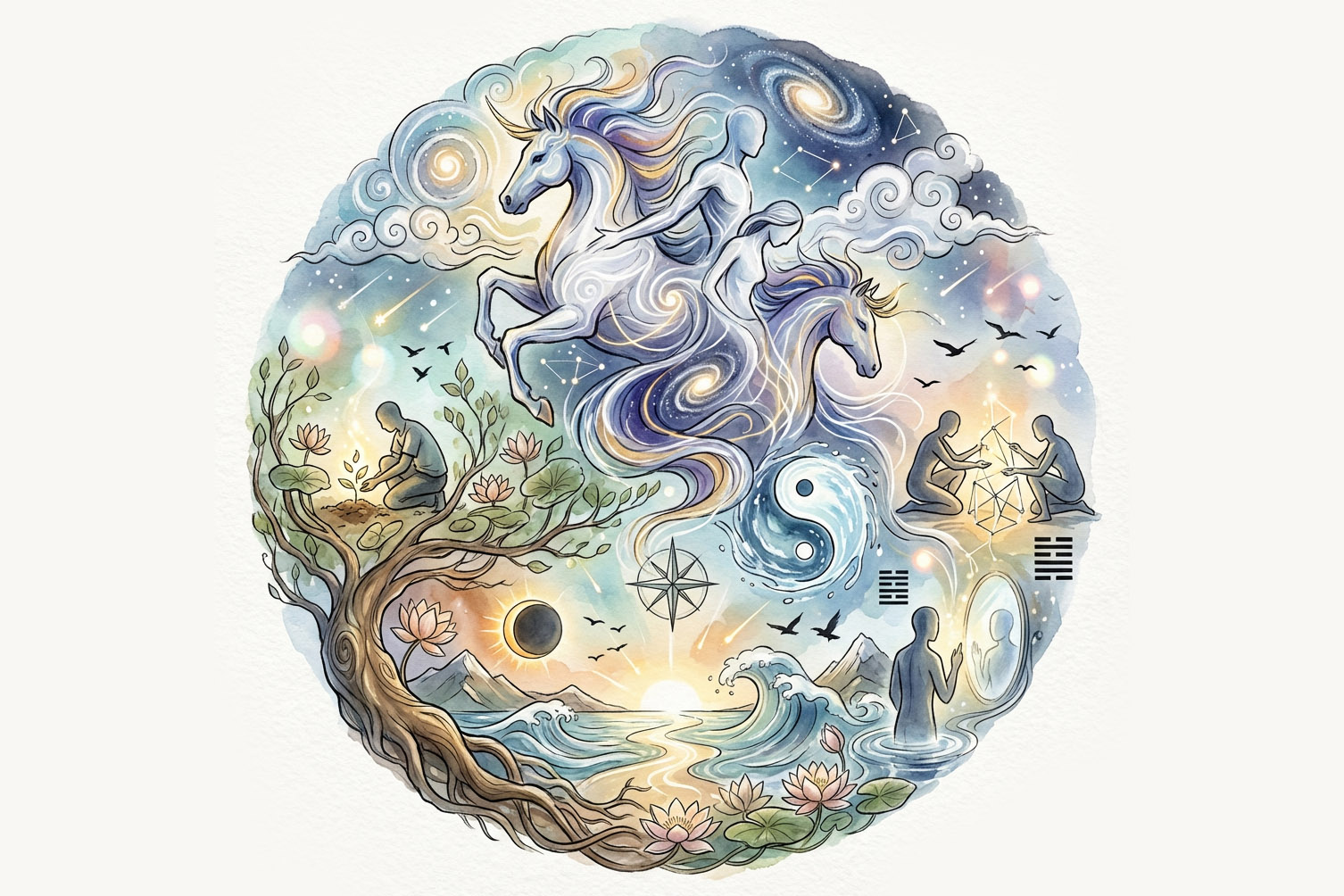
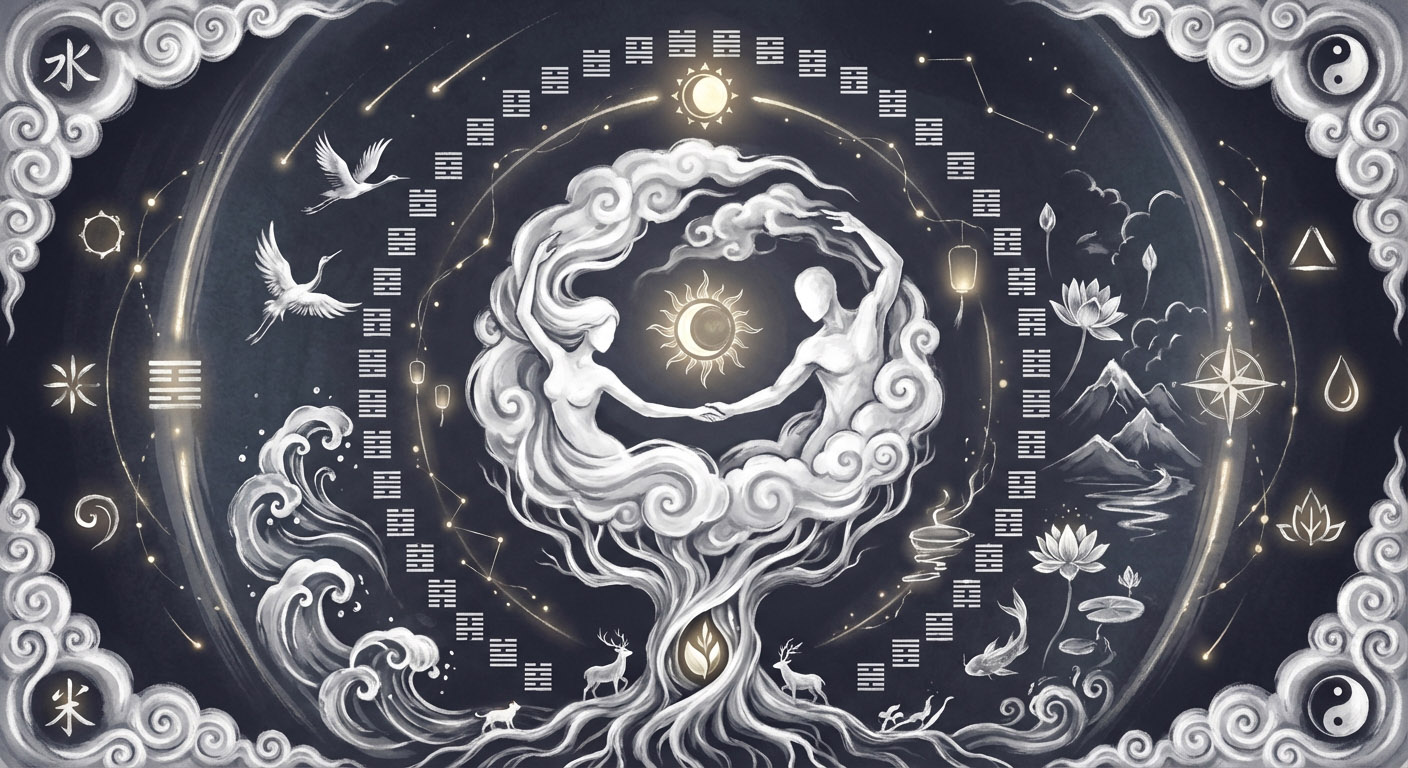
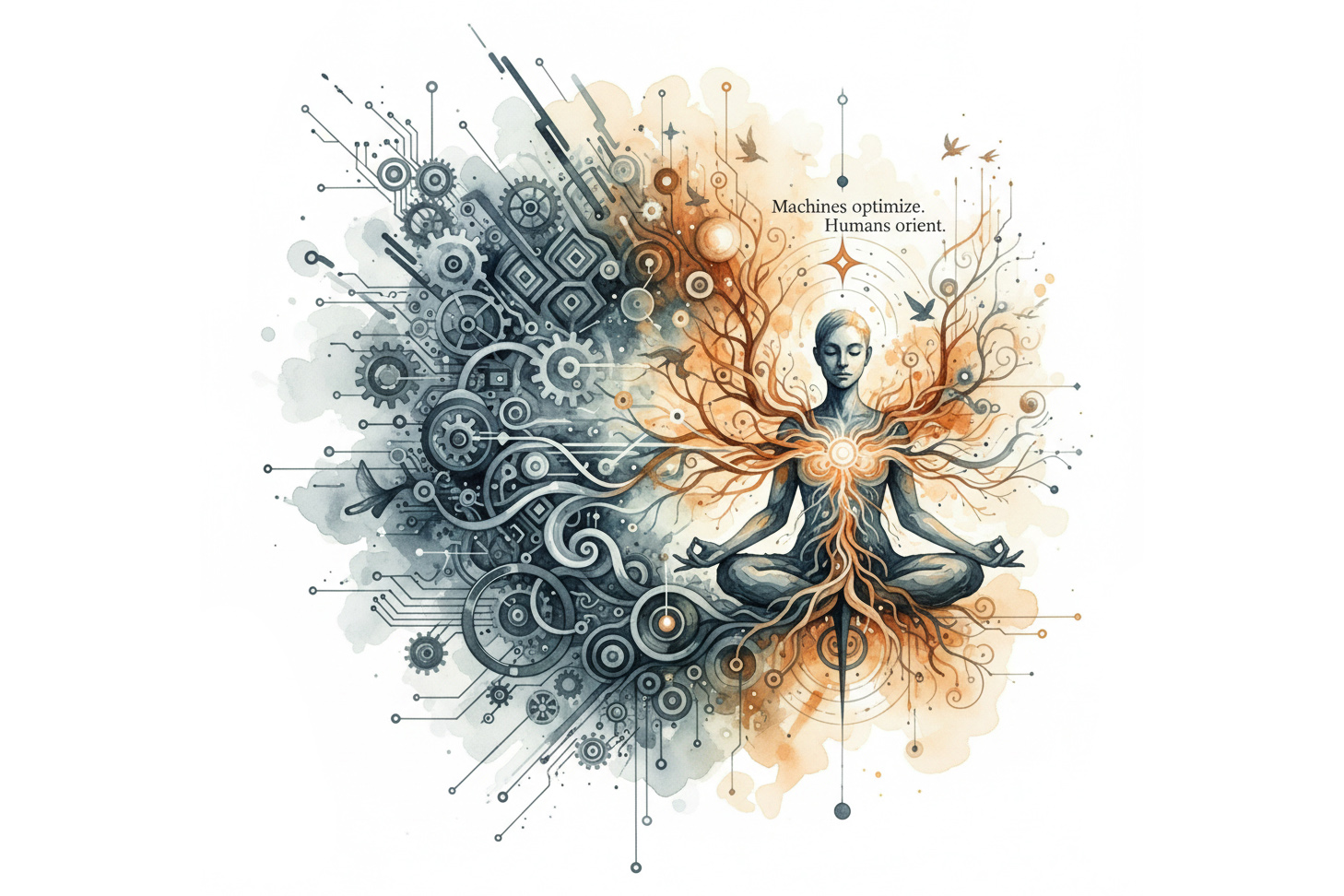
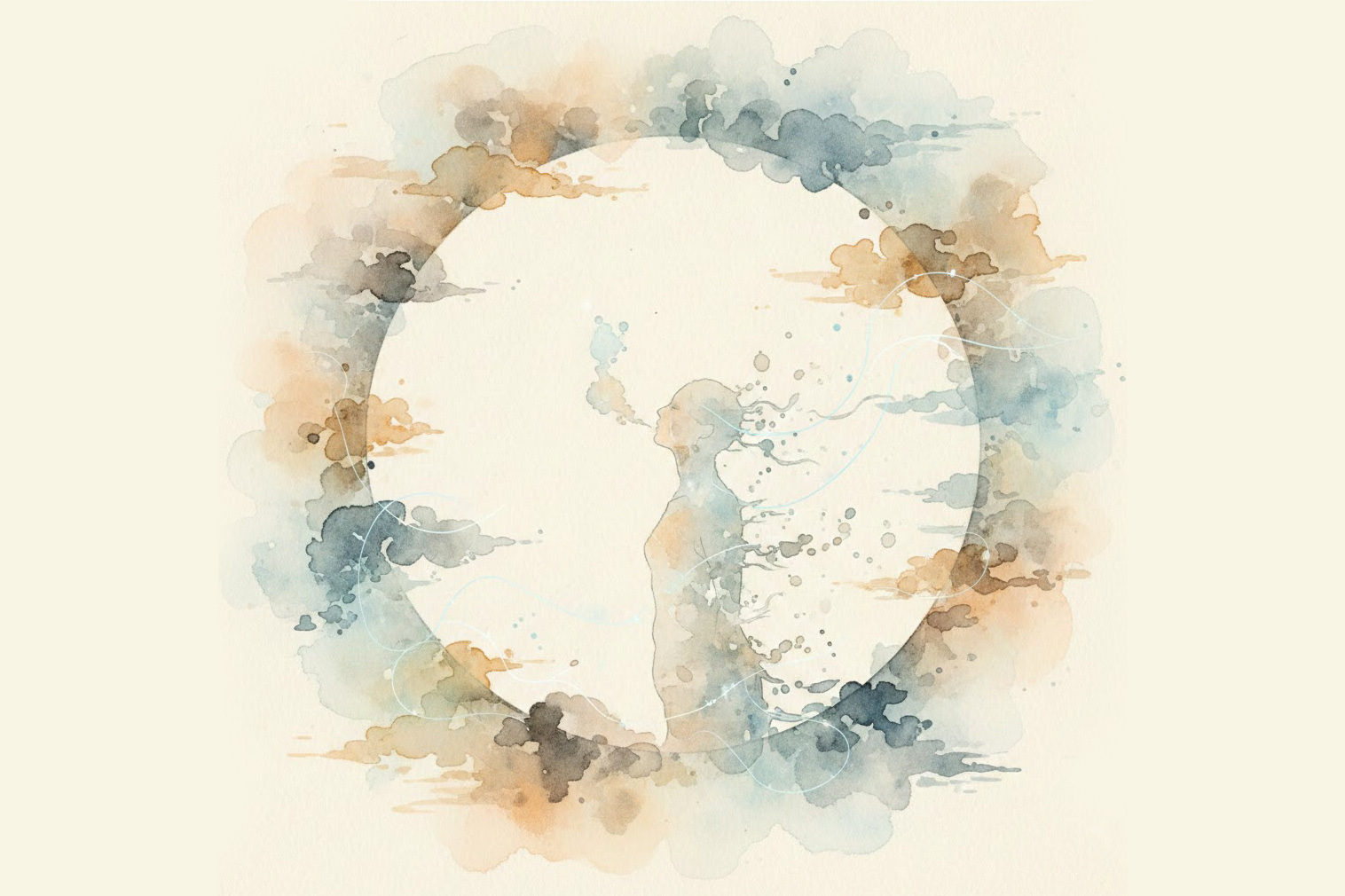
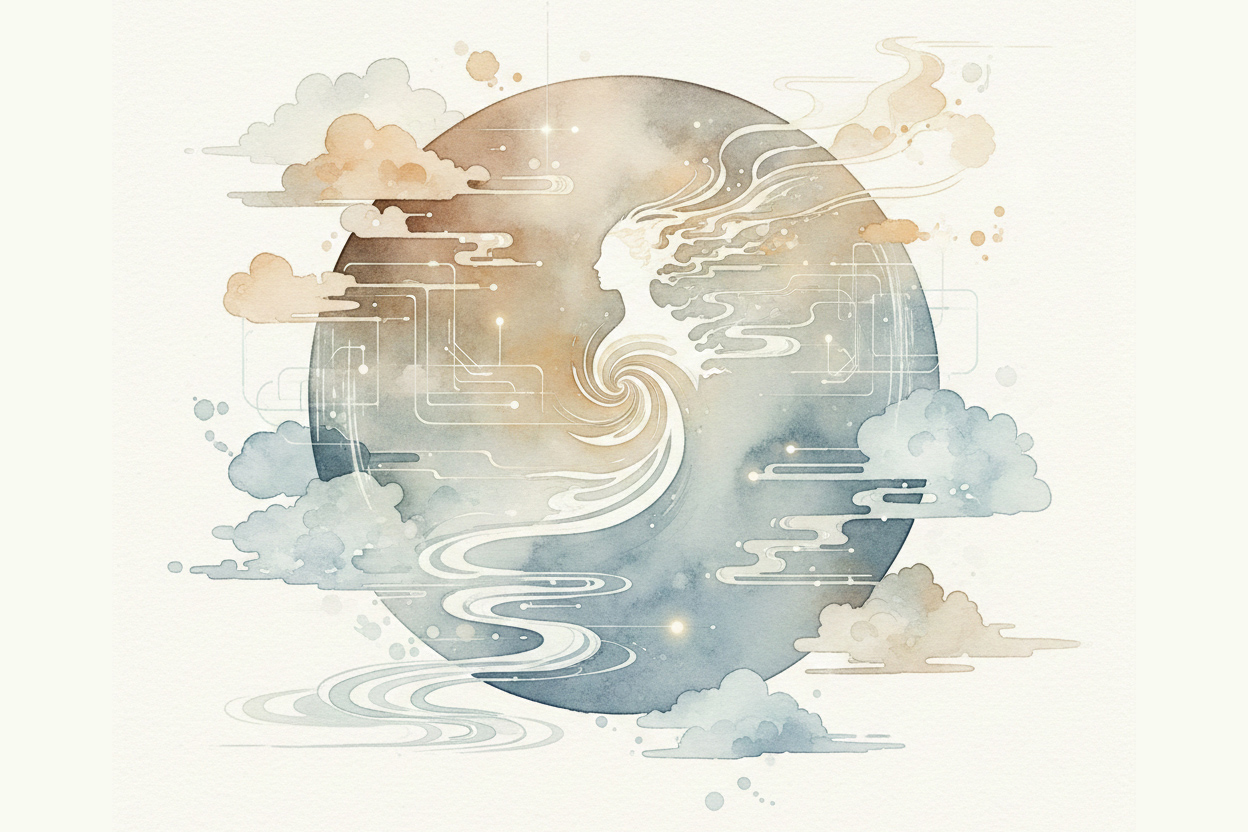
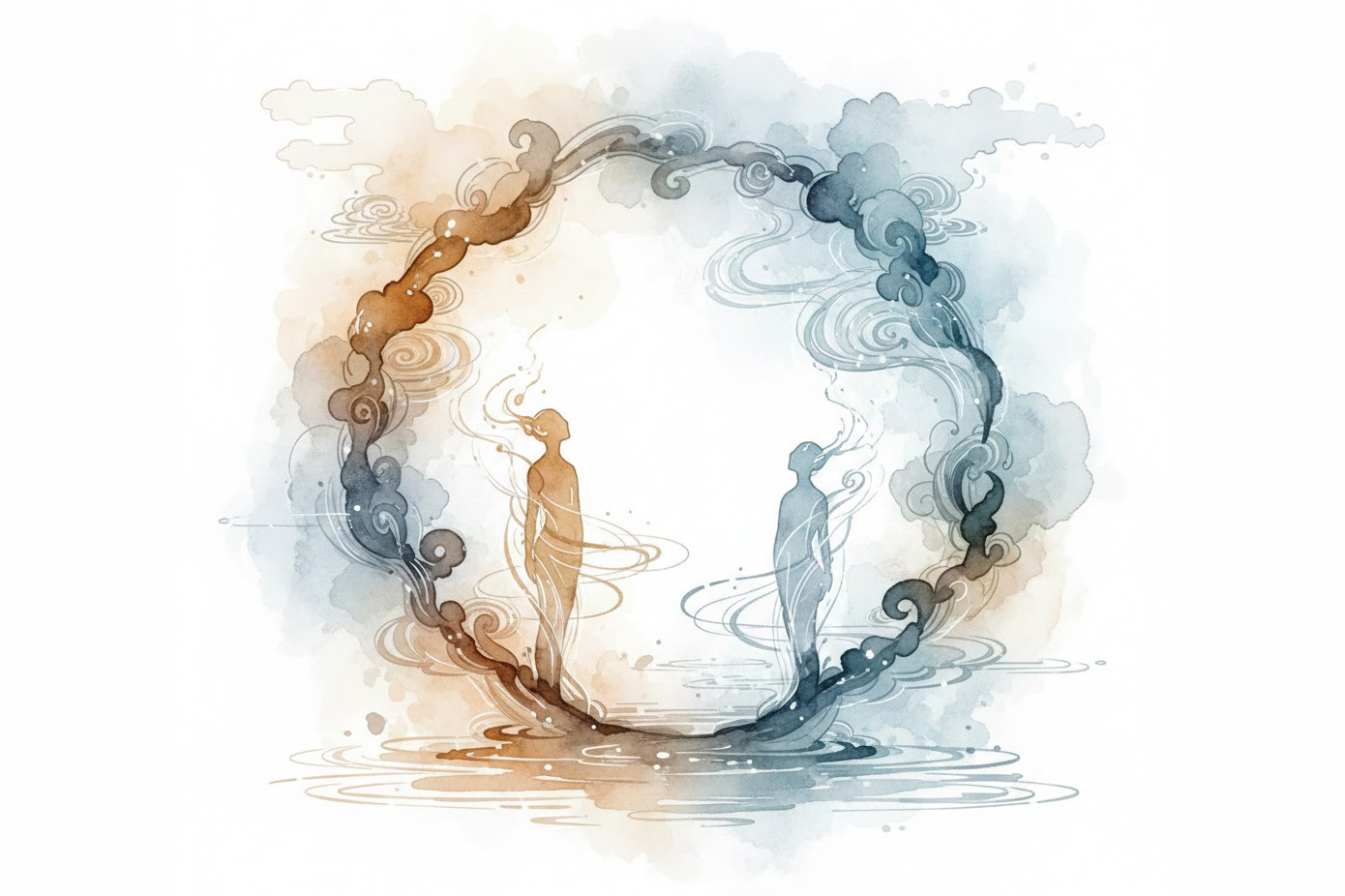
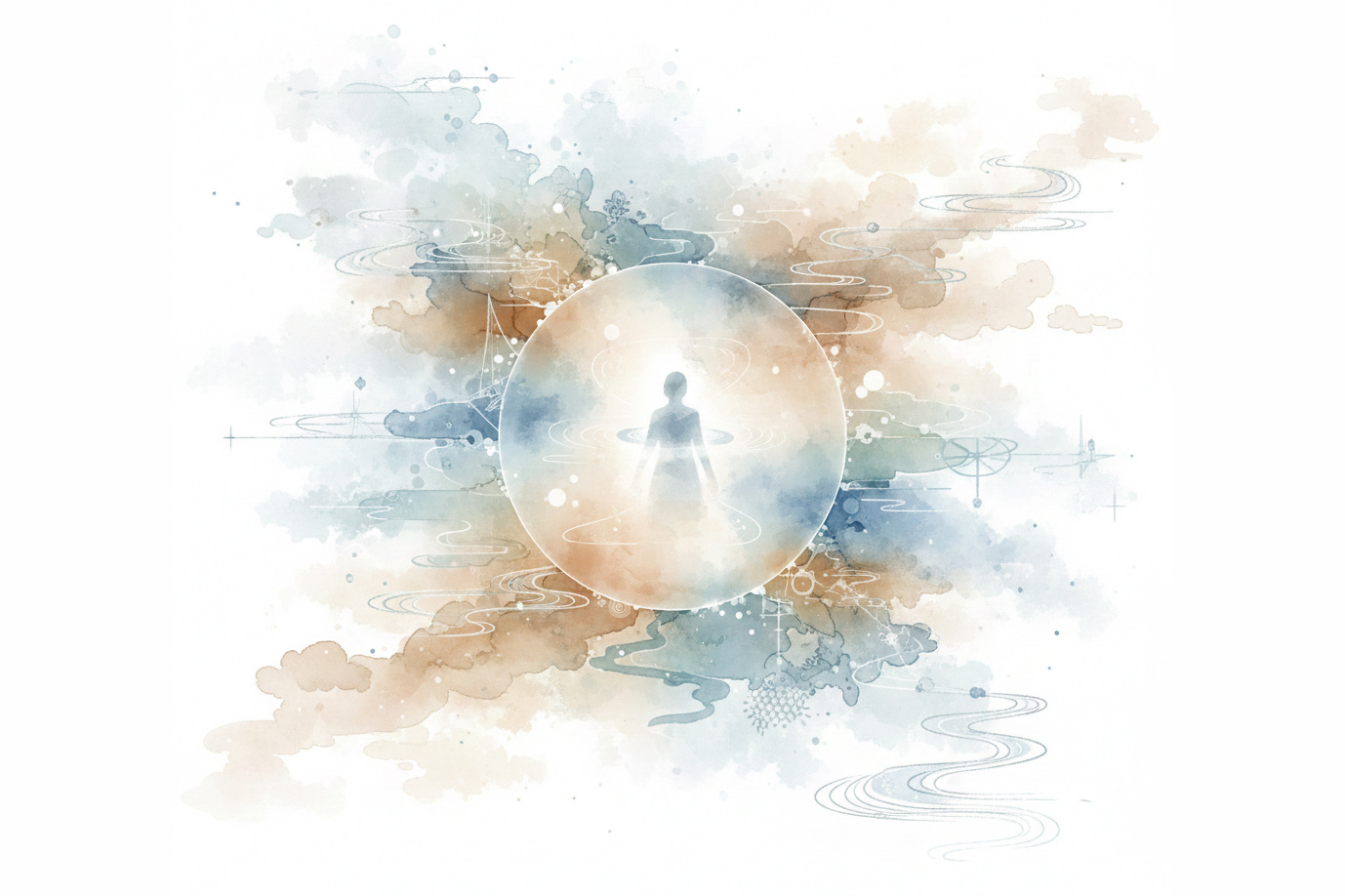
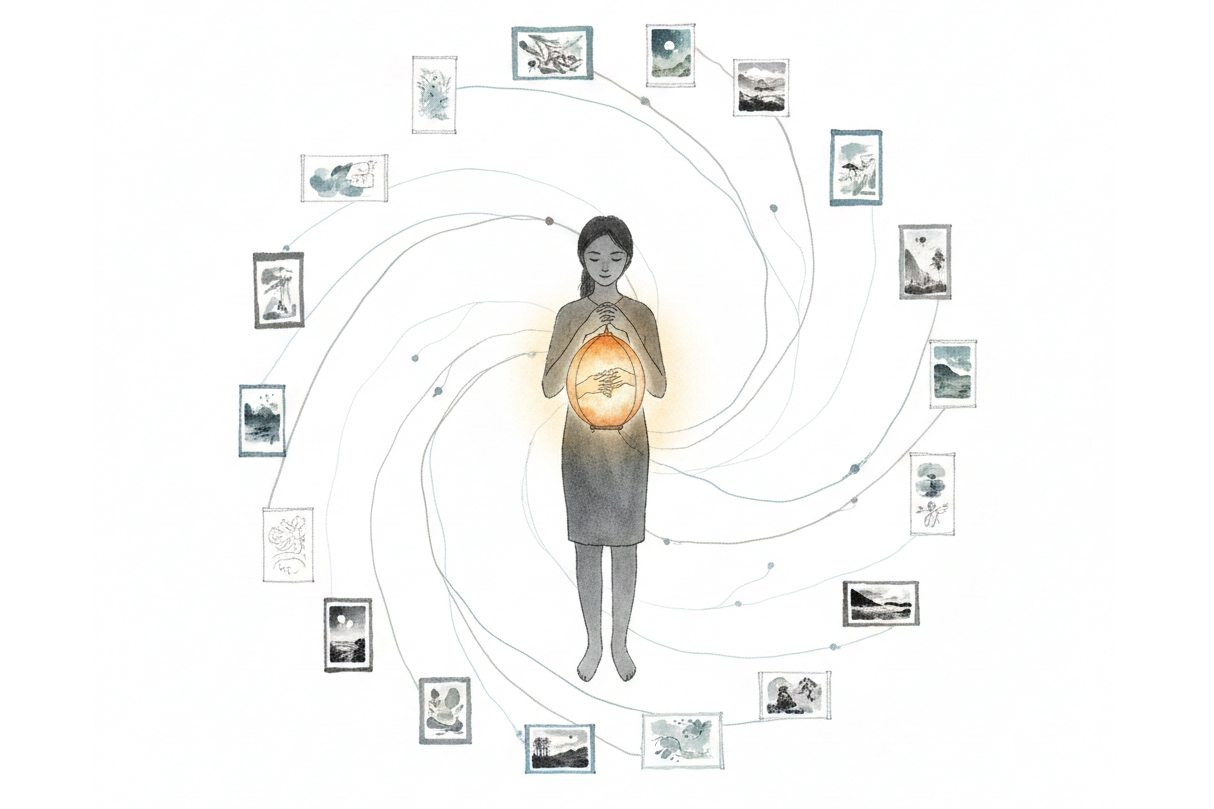
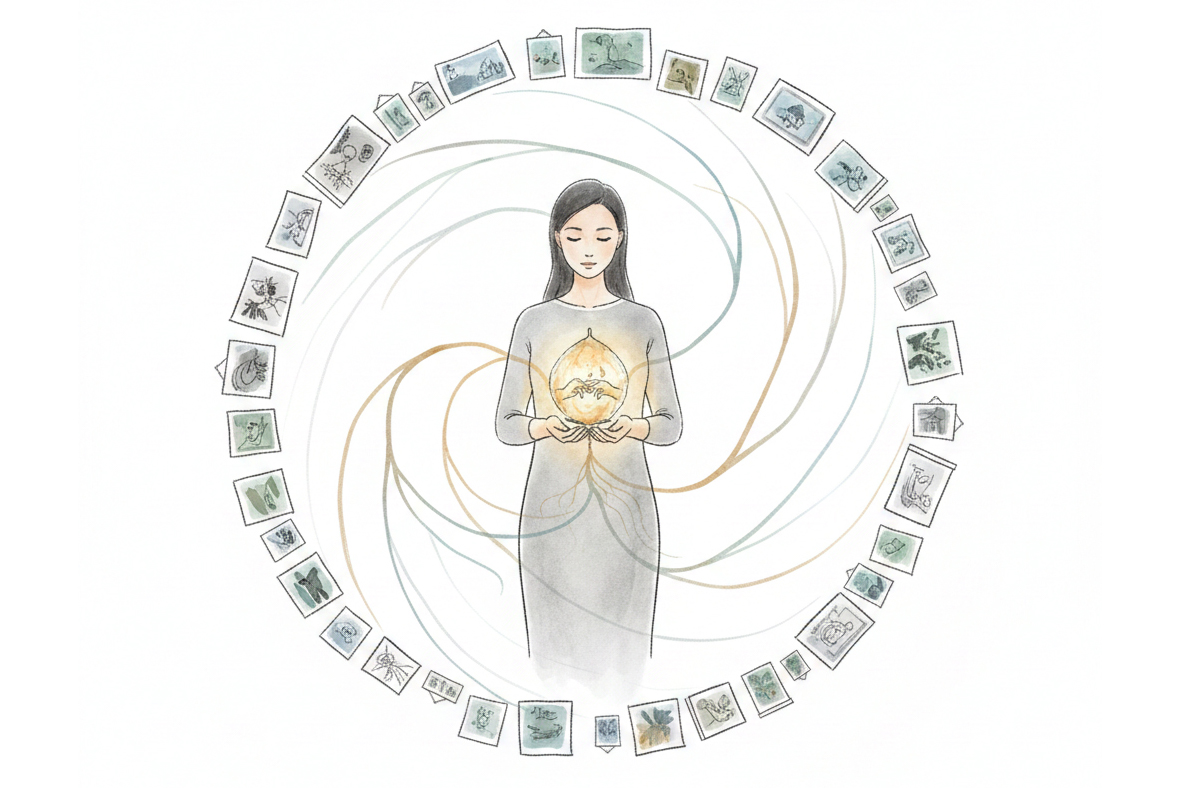
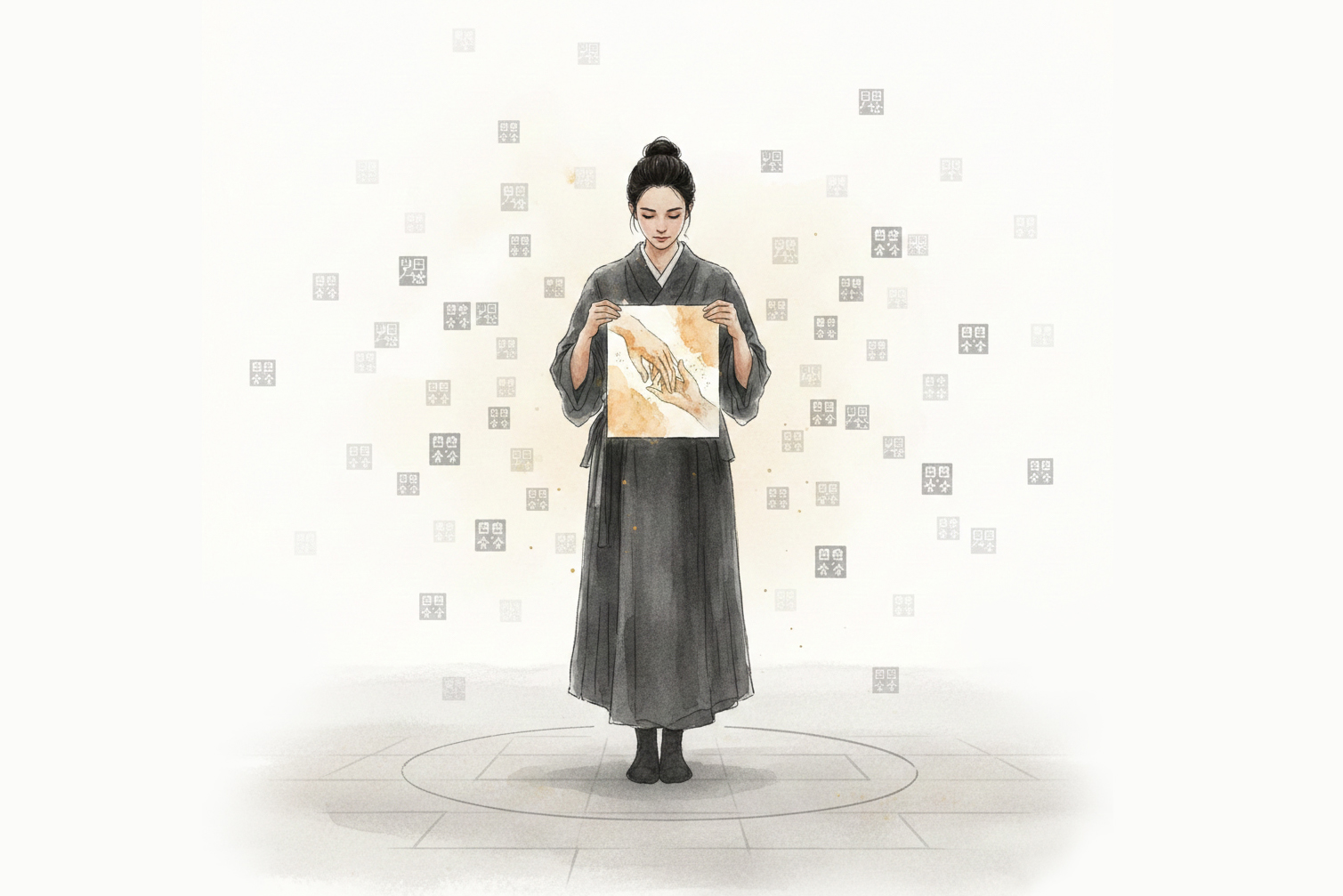
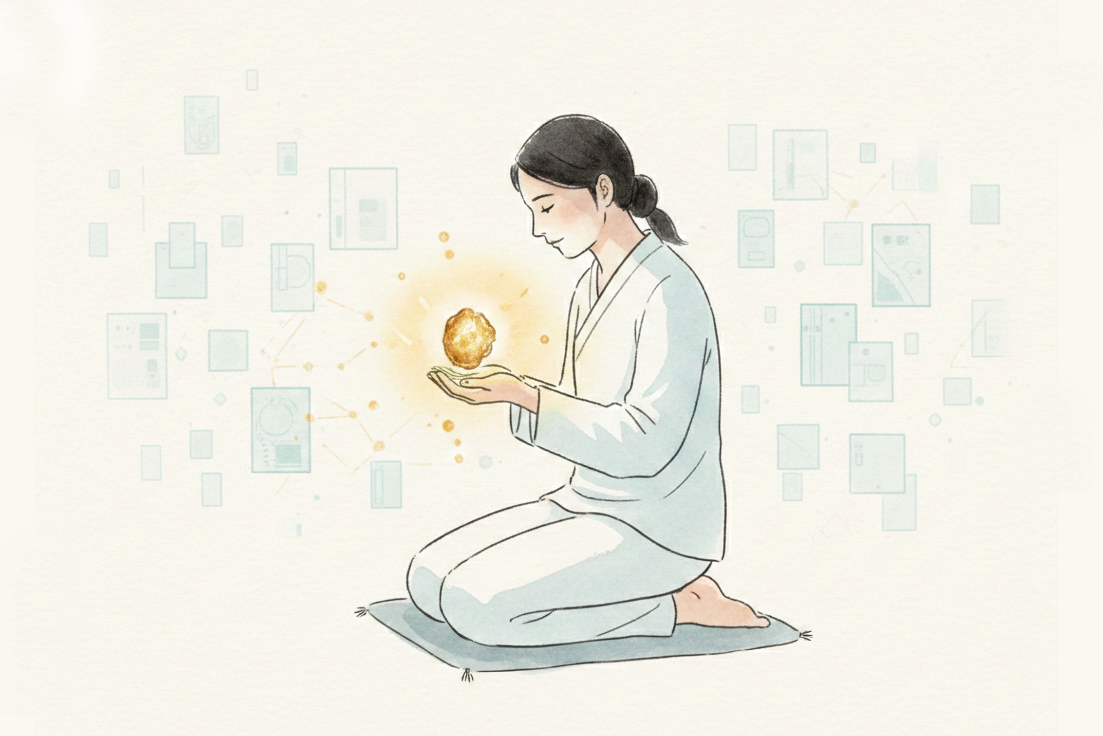
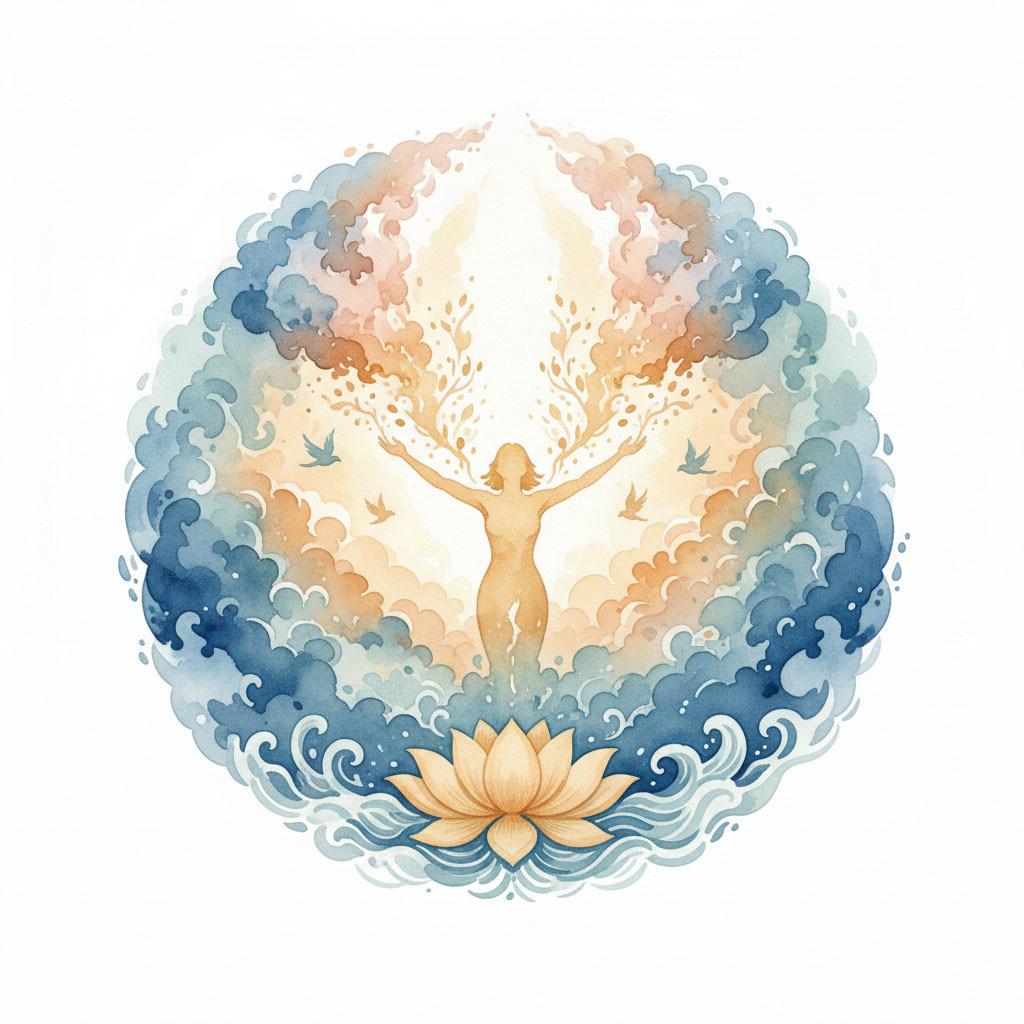
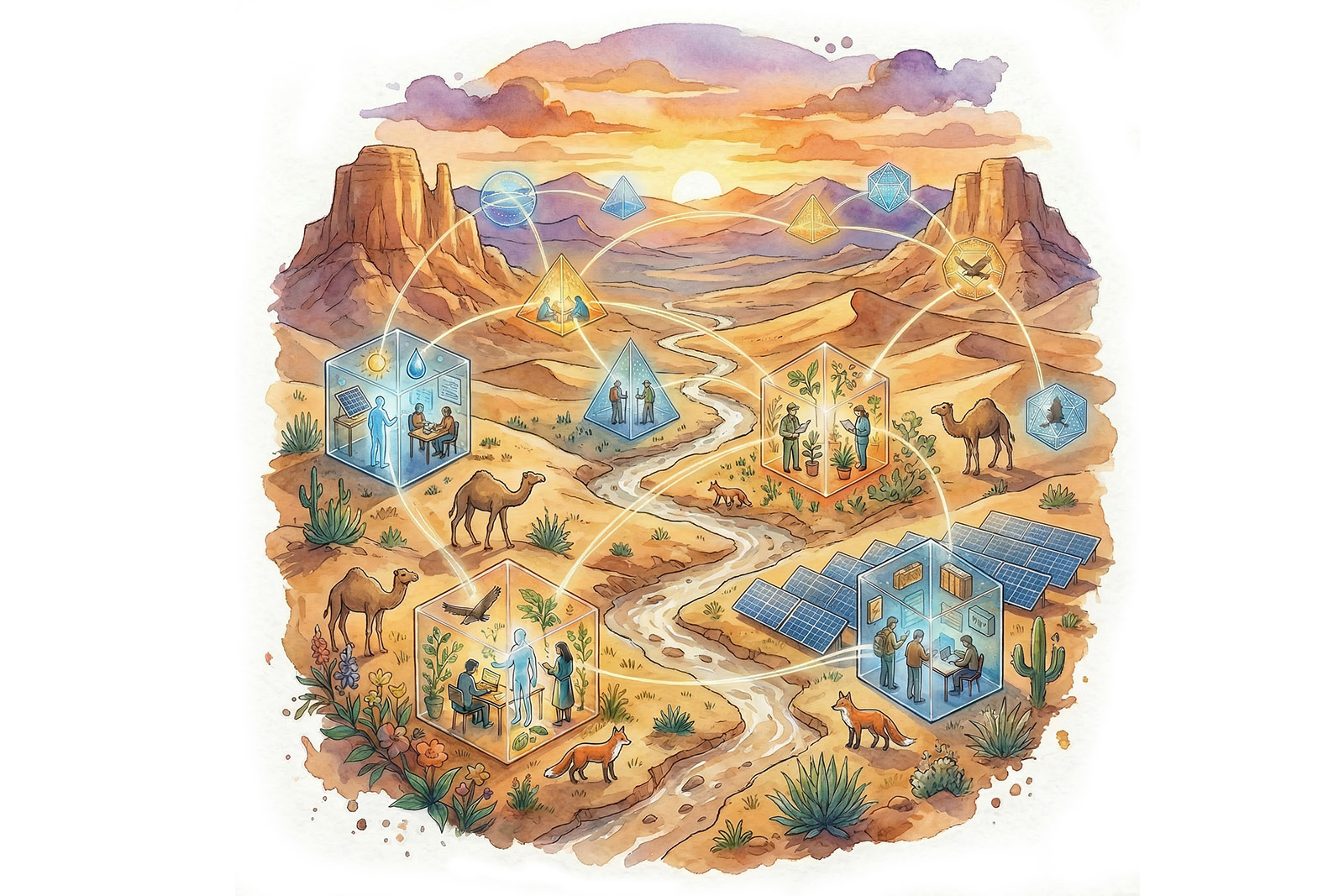
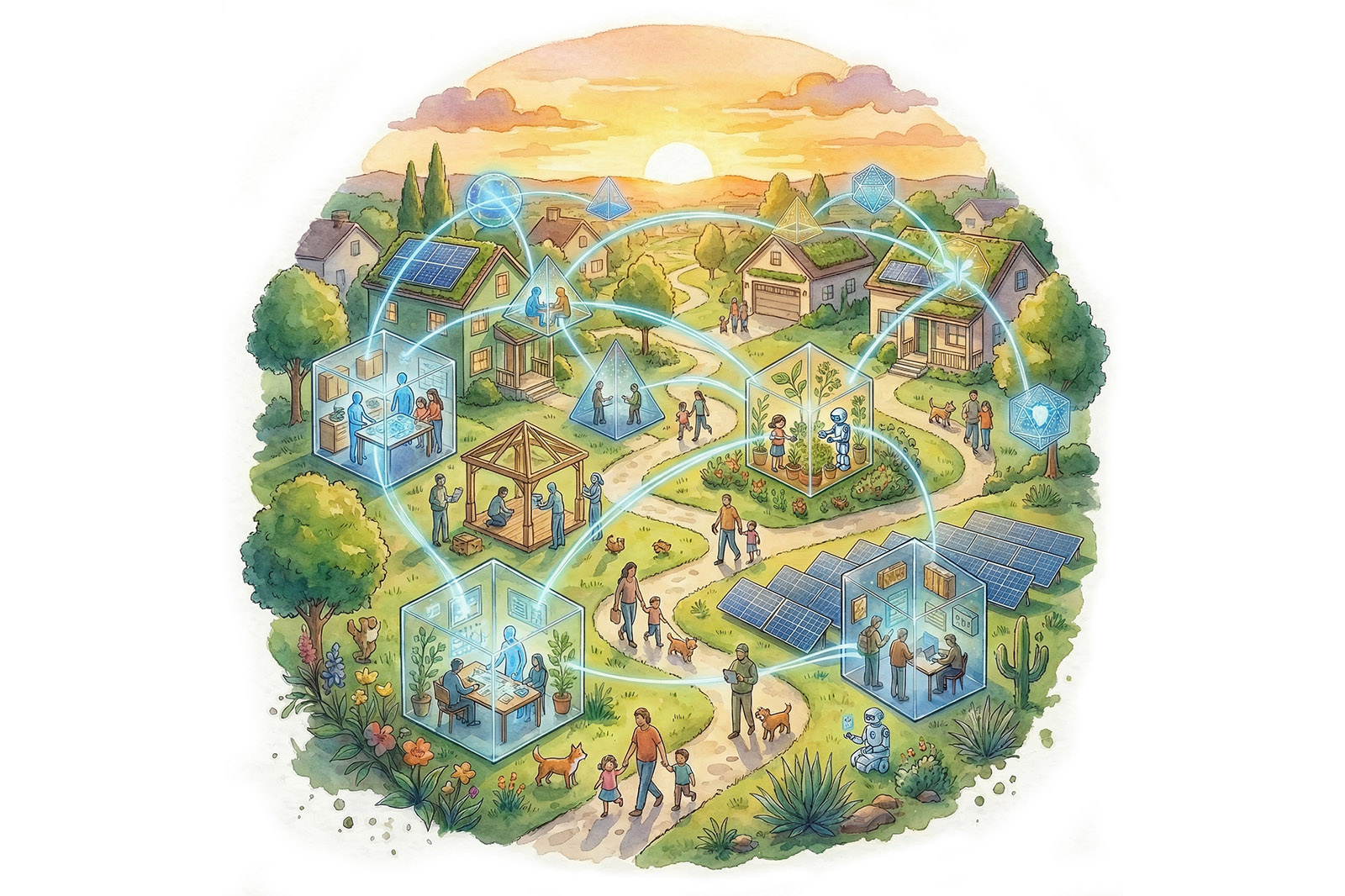
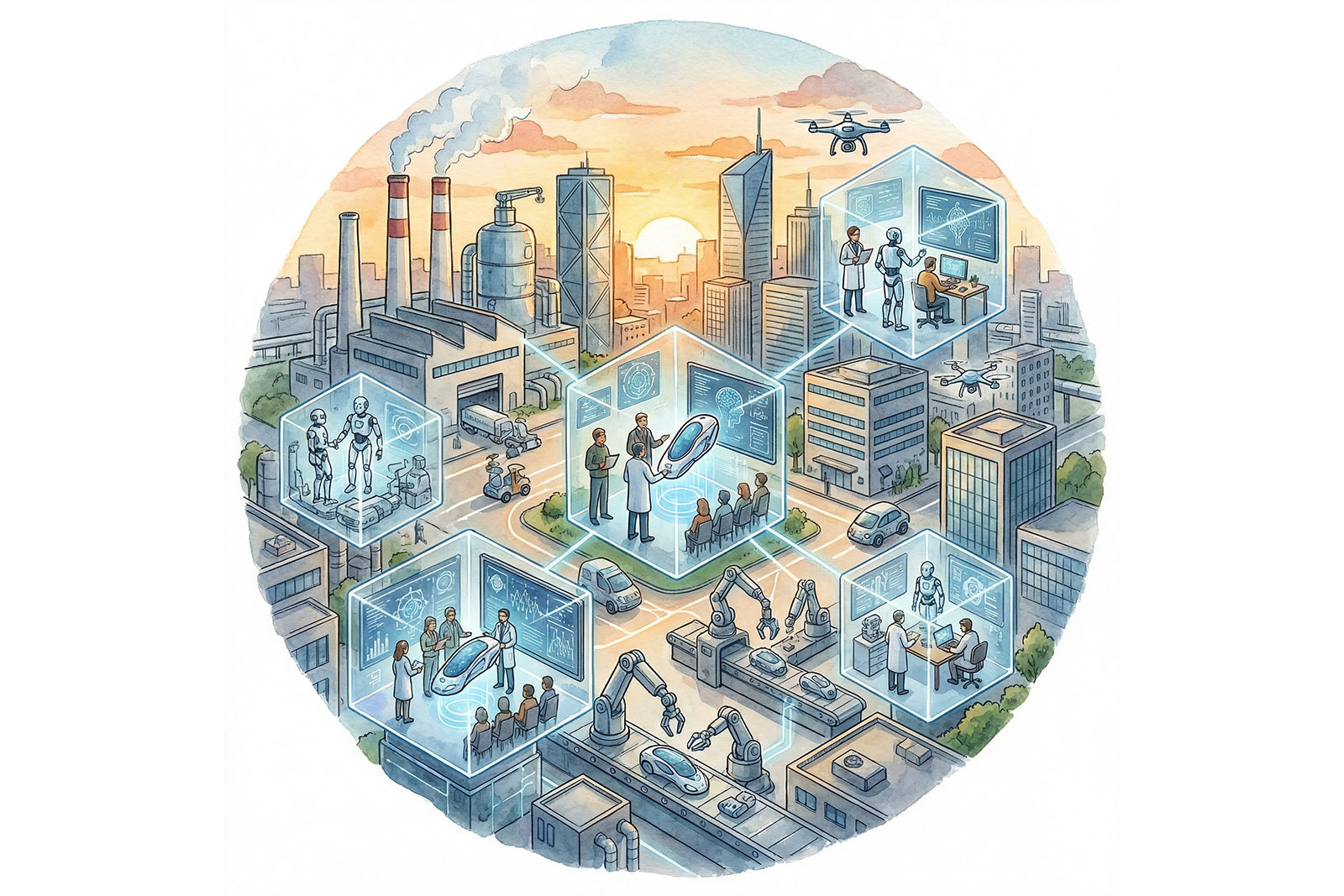
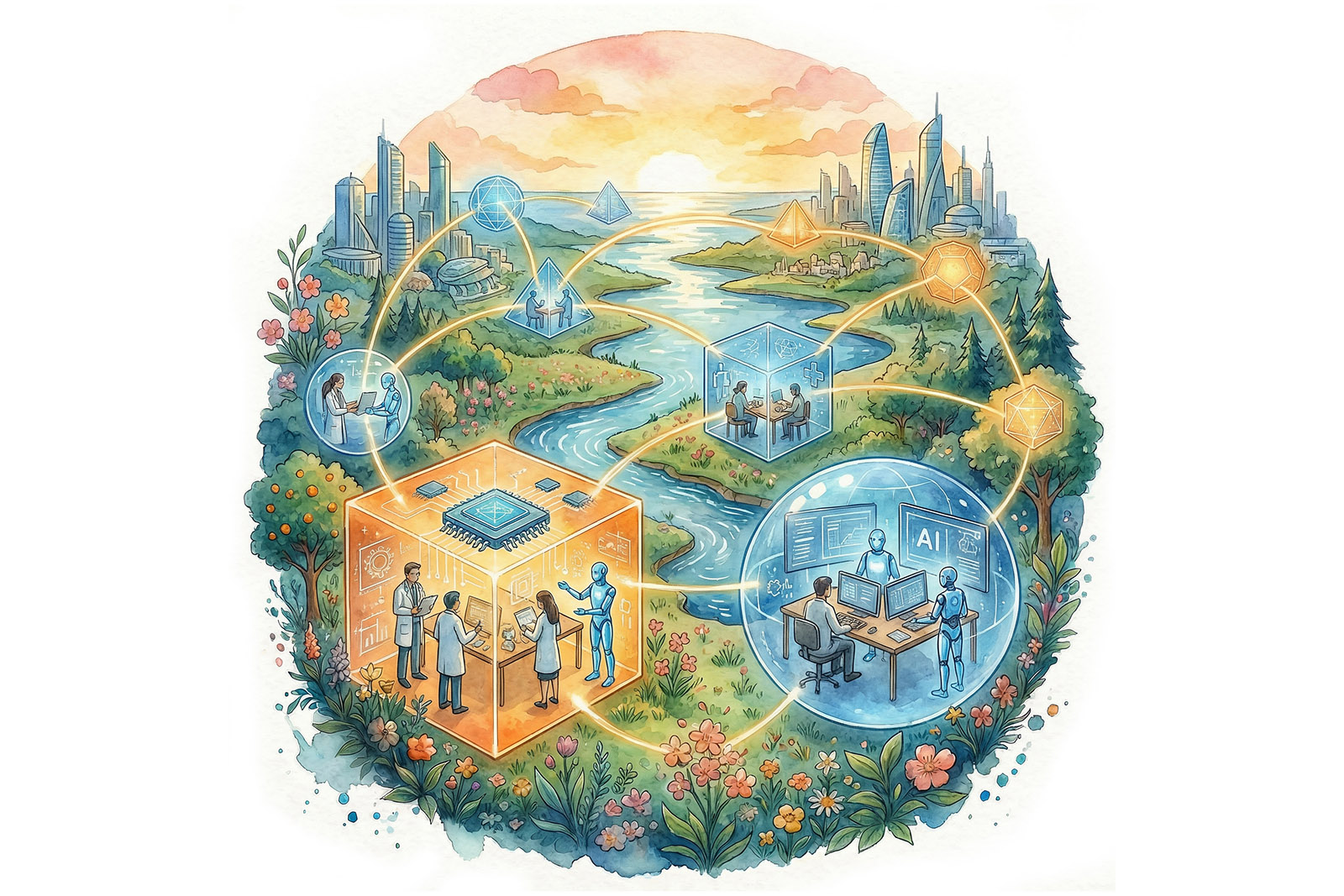
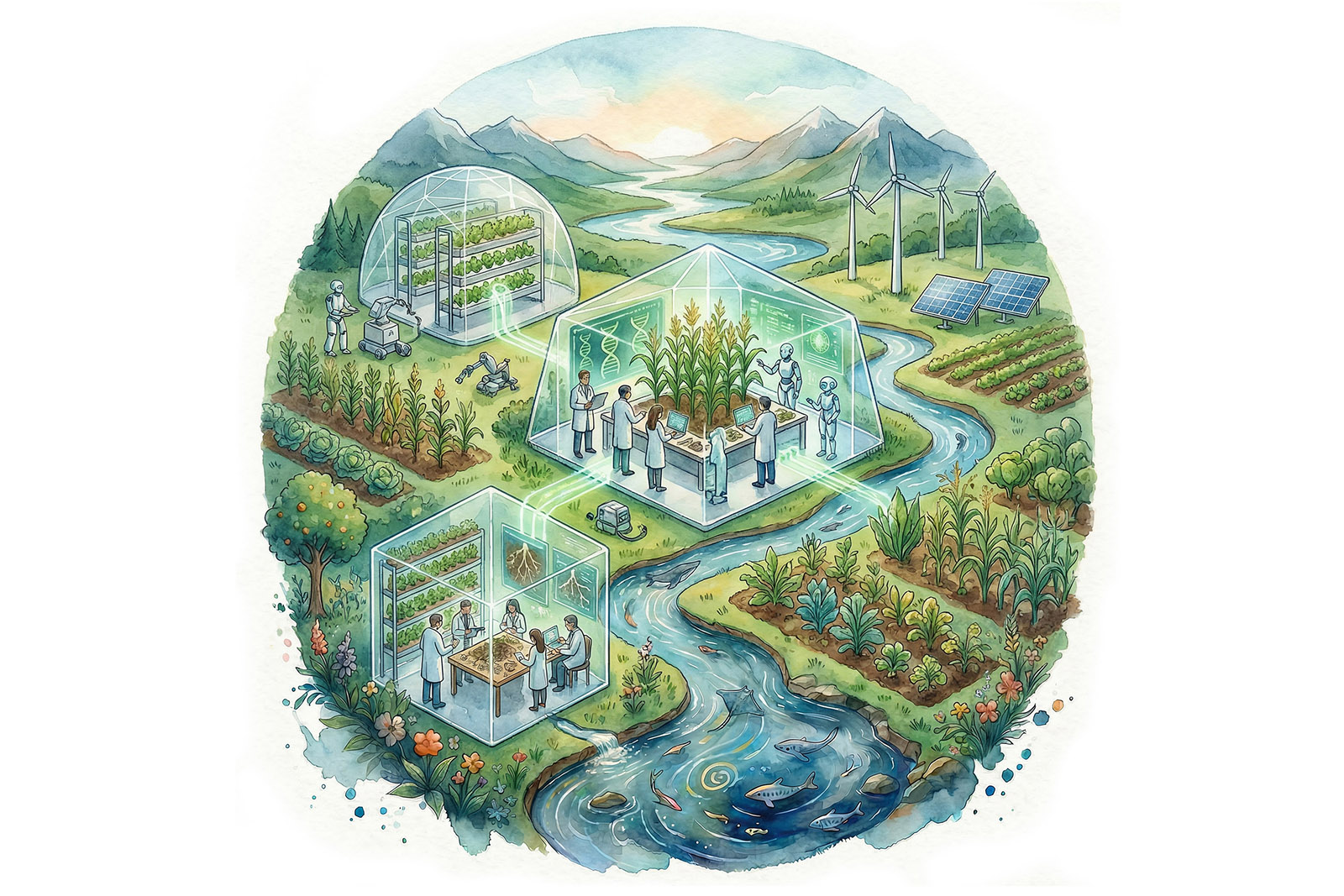
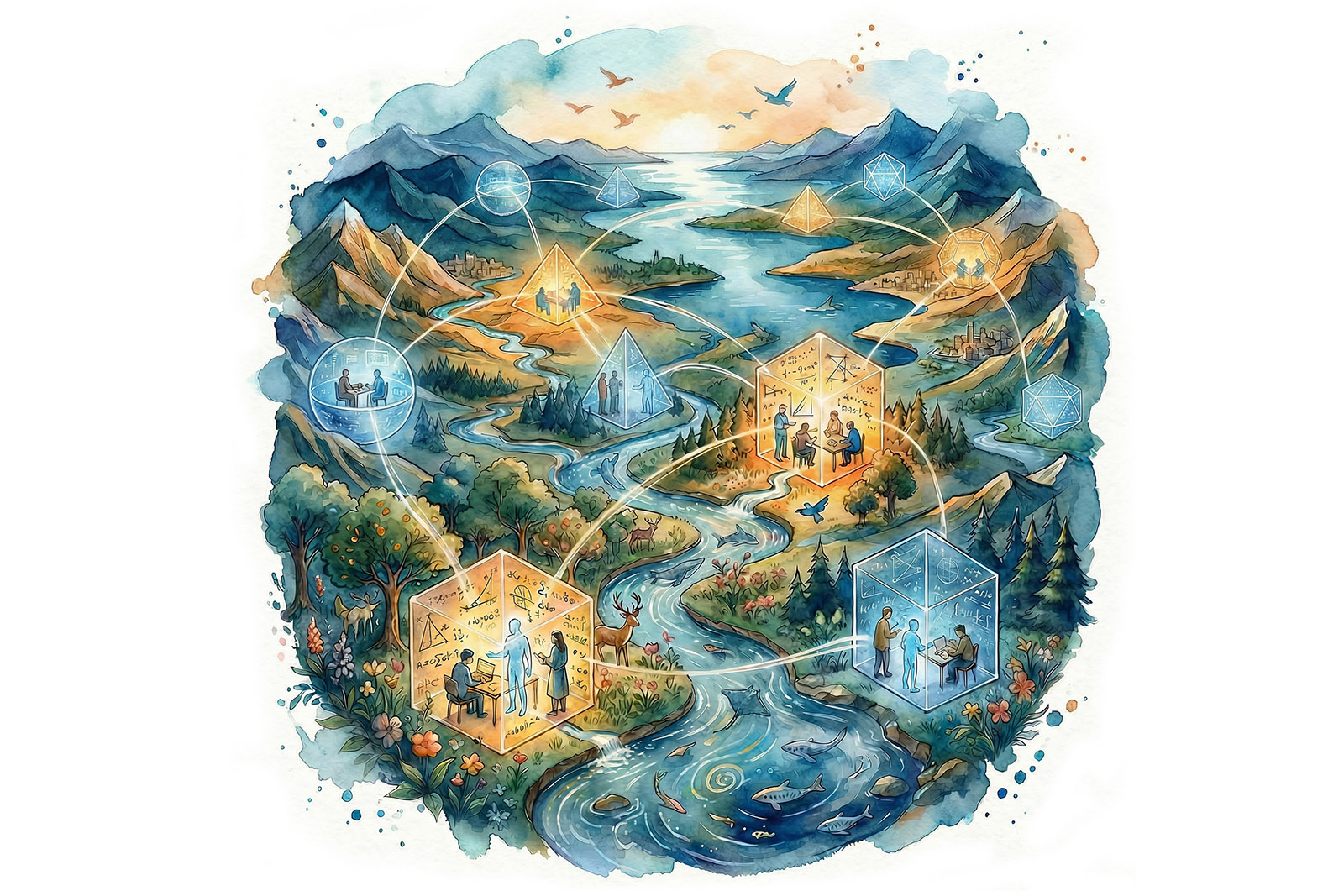
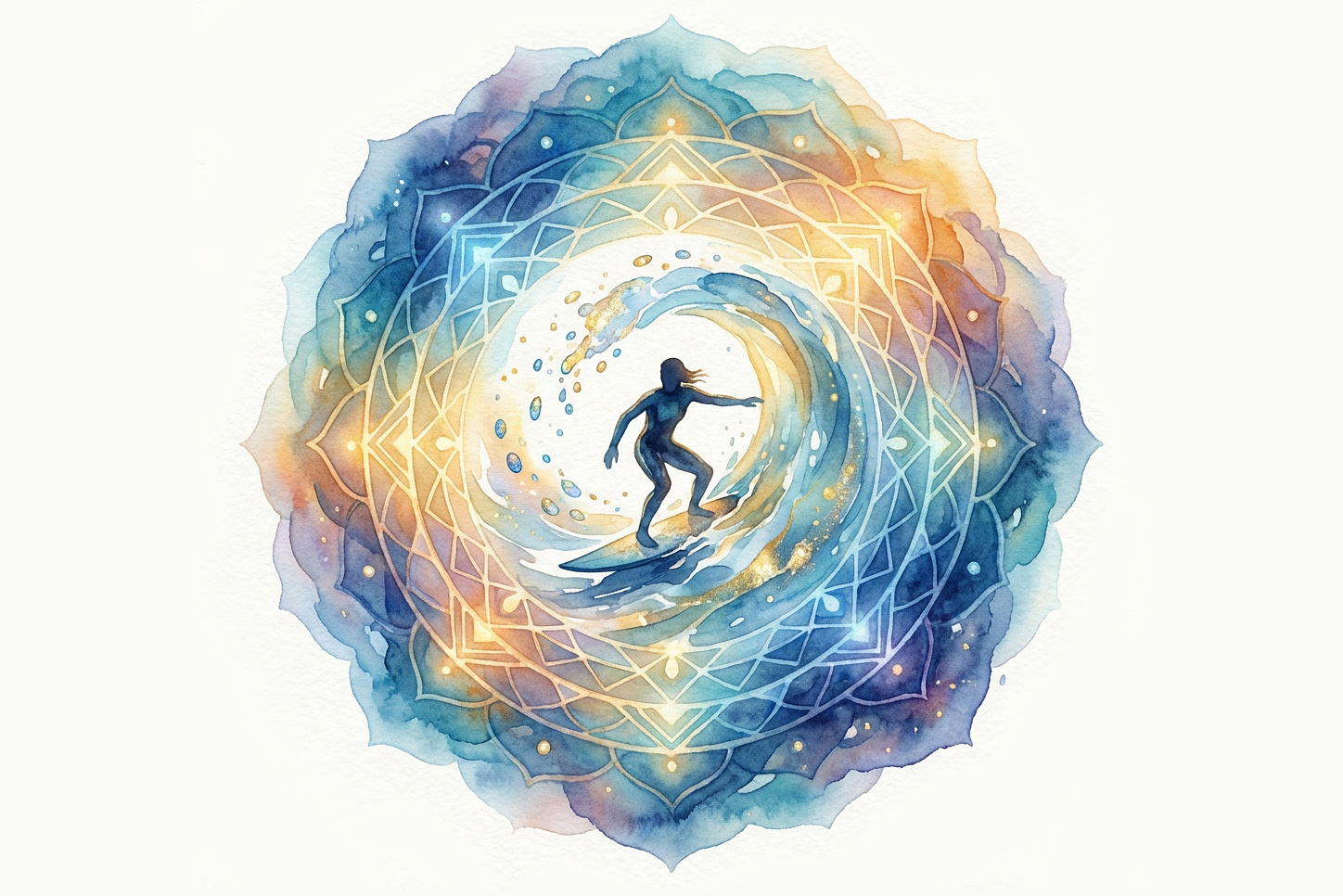
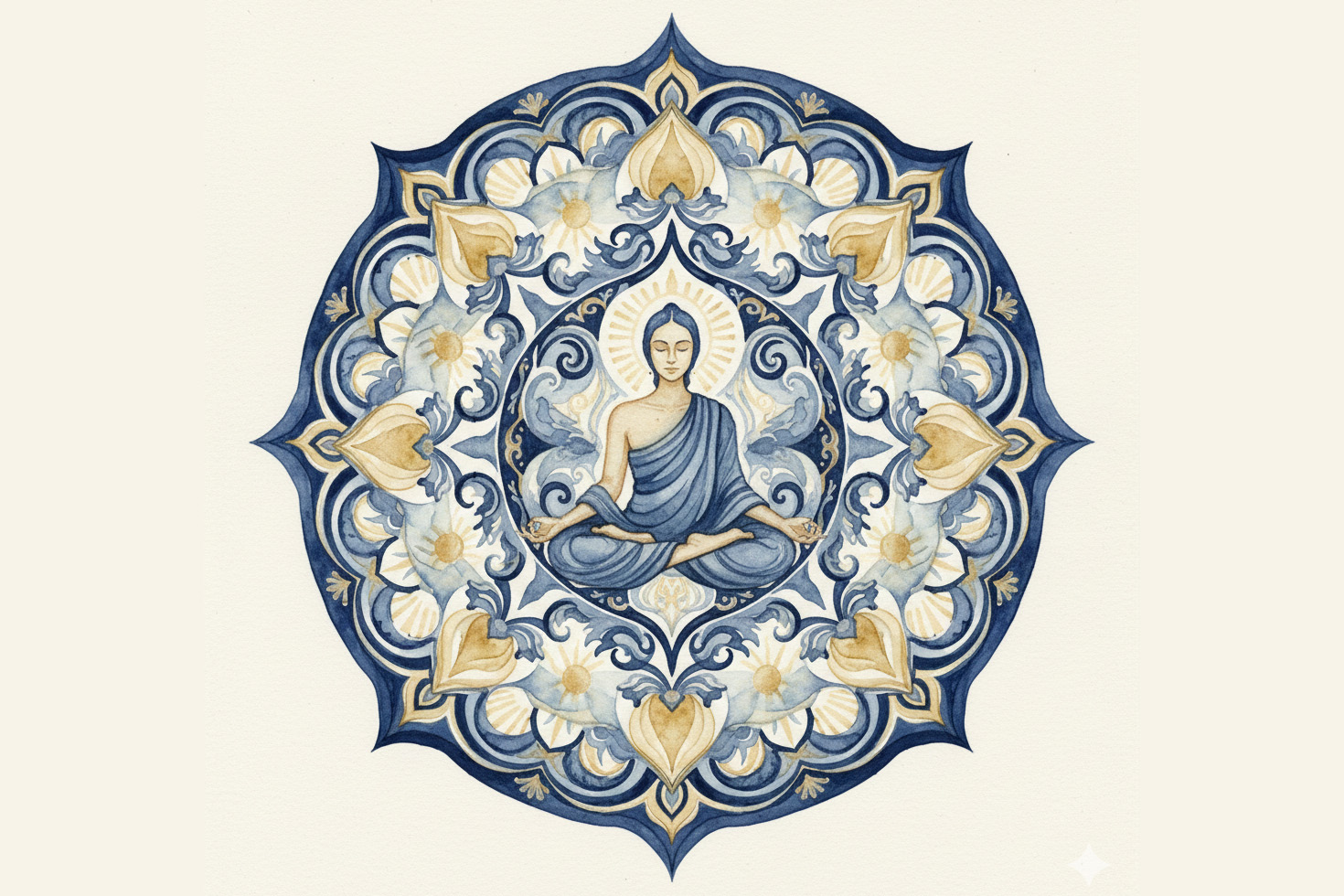
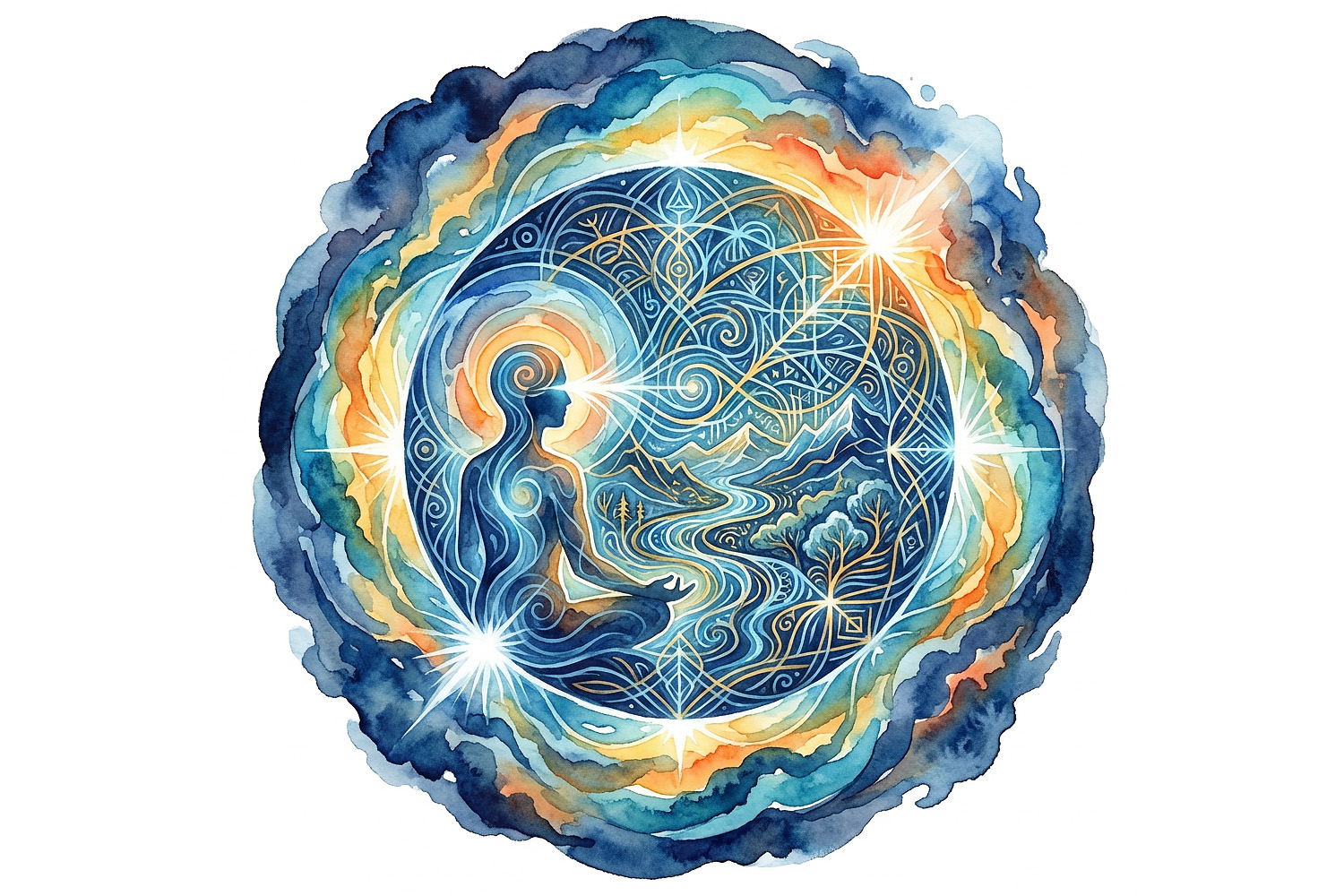
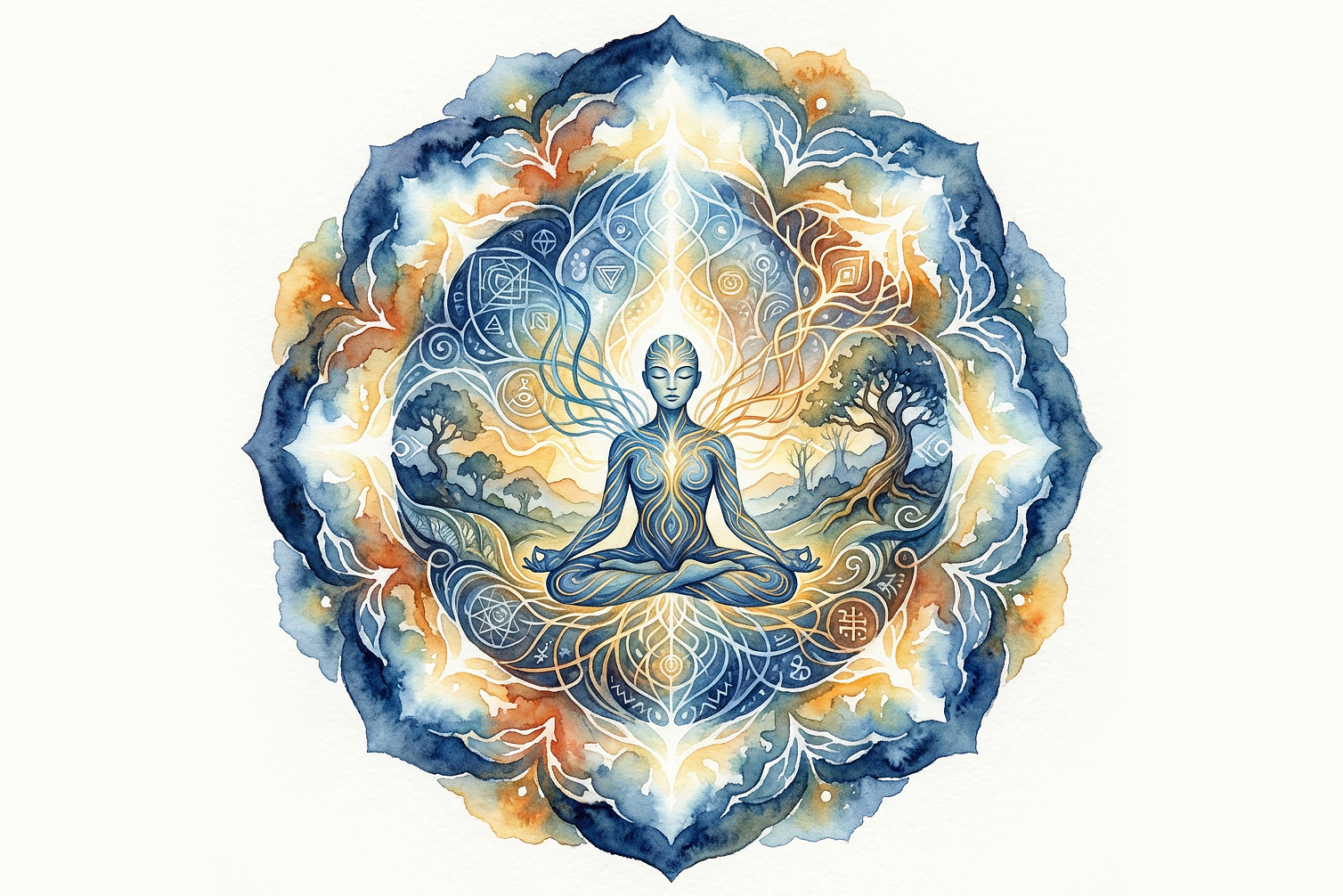
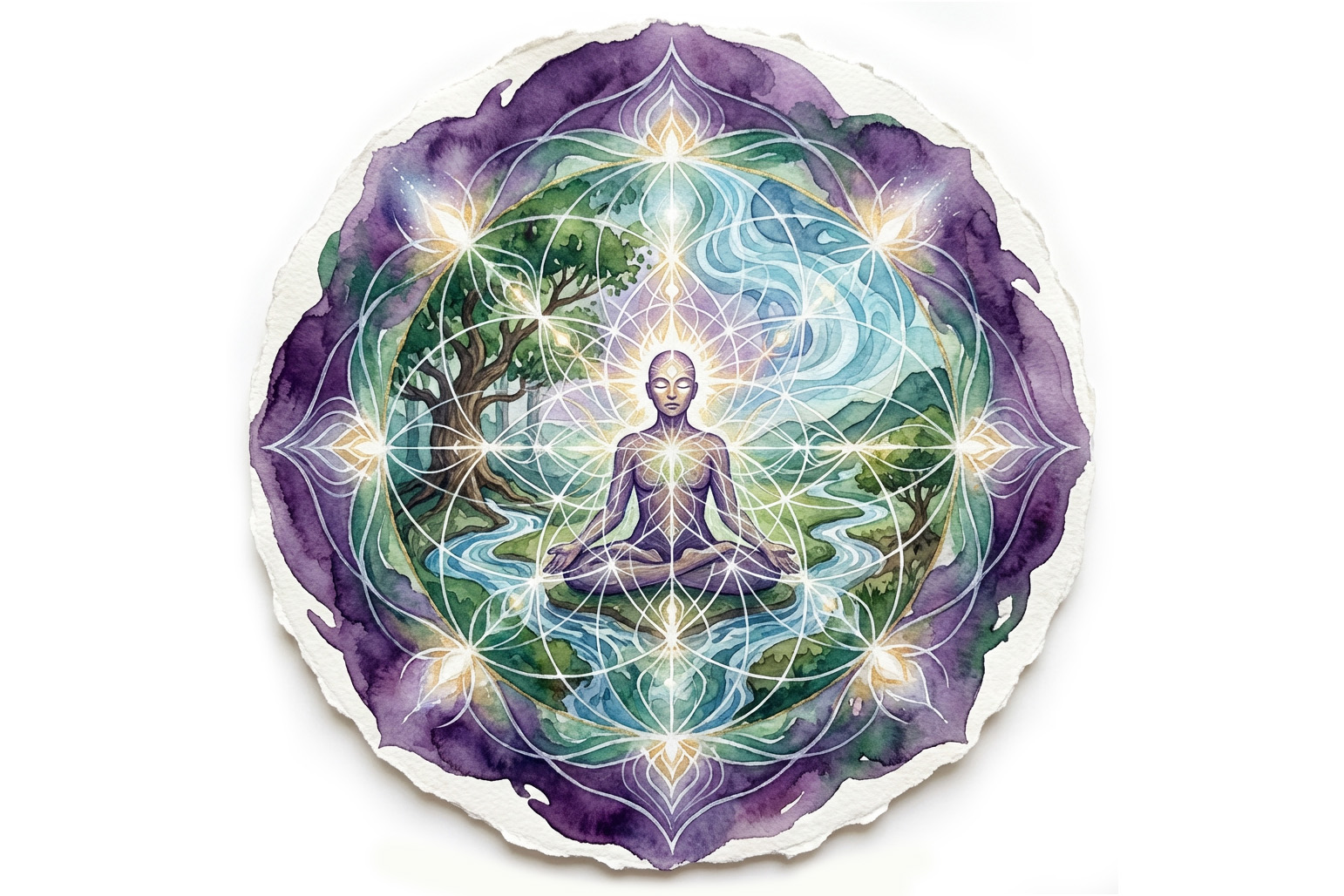
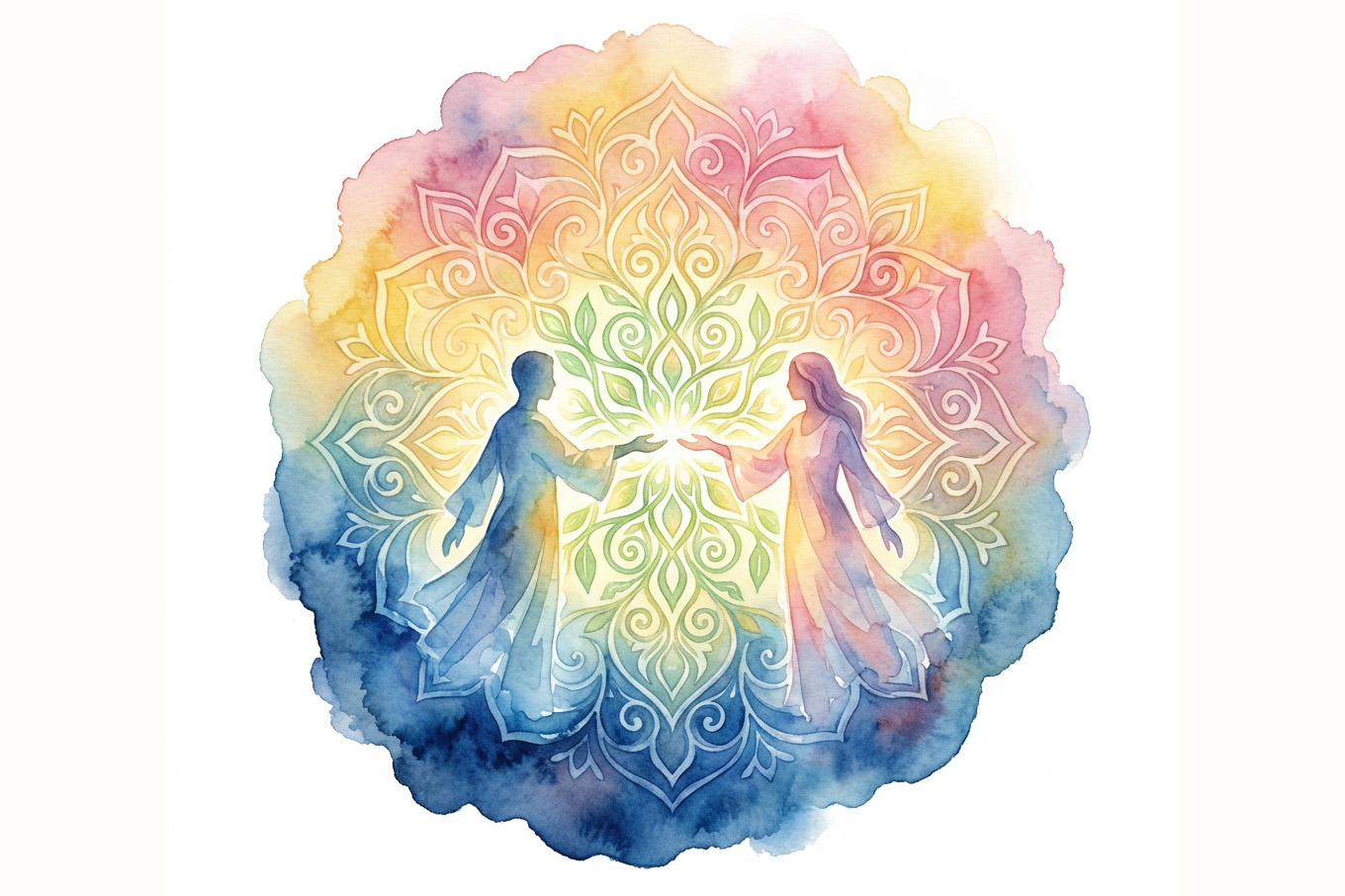
In the journey of crafting this work, both AI and I ventured through countless visual variations. Some images found their way into the final sections, while others remained in the wings—almost perfect, yet not quite right for that moment.
These outtakes, though not chosen, still hold meaning. Each one is a testament to the process of exploration—an embodiment of trial, reflection, and growth.
By including these images, I’m not just sharing what was left behind, but also celebrating the full journey of creativity. It’s a reminder that every step—every iteration—contributes to the richness of our creative algorithm.
In this gallery, these “mistakes” are not failures; they are part of the unfolding narrative, highlighting the beauty in exploration and the value of letting creativity flow freely.























No Comments